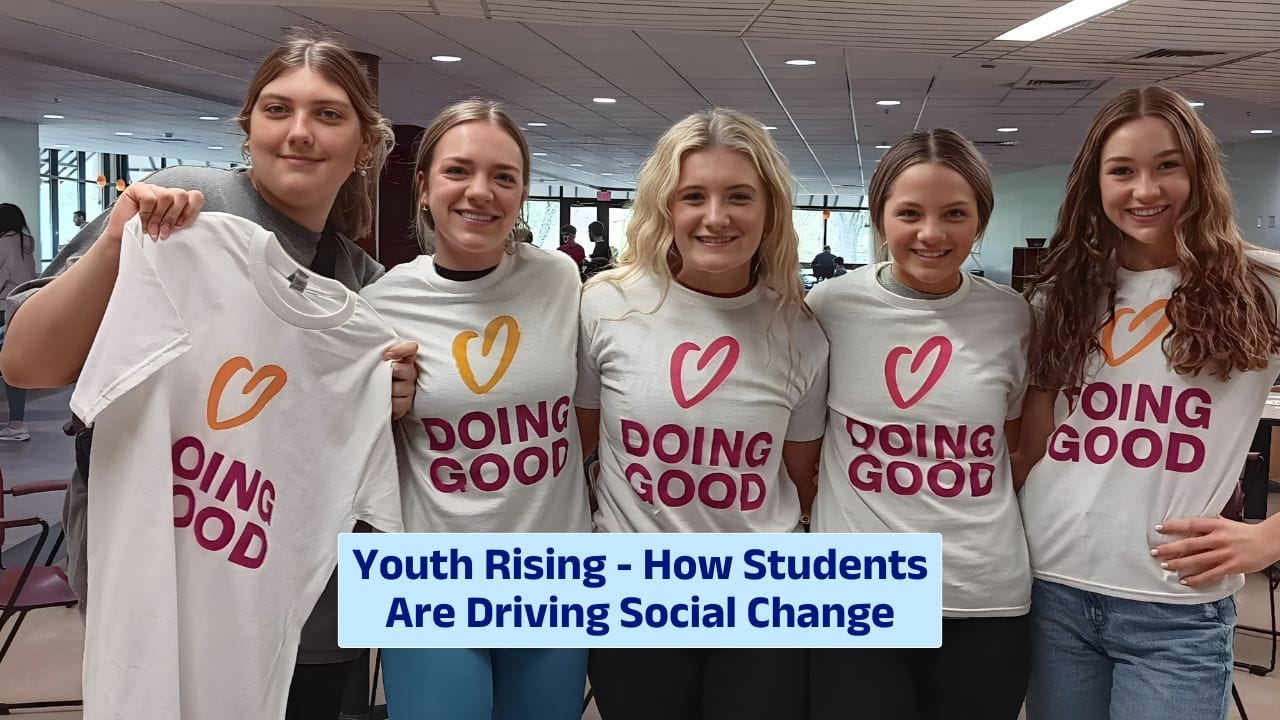
Students have always been more than just learners—they’ve been leaders, too. From organizing sit-ins during the civil rights era to climate protests led by teenagers today, young people have consistently shown that age doesn’t limit impact. In fact, many of the biggest social movements in history have been sparked, led, or sustained by students.
With access to technology, social media, and a growing sense of purpose, today’s youth are stepping up more than ever. They’re challenging systems, demanding justice, and refusing to accept silence as an answer. But what makes student-led movements so powerful? And how can schools, parents, and communities support their activism instead of stifling it?
Let’s cut into the power of youth and how students are reshaping the future.
Passion
Students bring something to social movements that no one else can—pure passion. They’re not doing it for political points or public image. They act because they care deeply about the issues, whether it’s climate change, racial justice, gender equality, or mental health.
This passion often becomes the heartbeat of a movement. It makes the message impossible to ignore. That raw, unfiltered energy drives protests, fills petitions with thousands of signatures, and turns hashtags into global campaigns.

When students lead, they bring urgency. They want change now, not in ten years.
Platforms
Unlike past generations, students today have powerful tools at their fingertips. Social media gives them a voice louder than any microphone. A single TikTok or Instagram post can go viral, reaching millions in just hours.
This digital influence allows them to organize faster, spread awareness, and build communities across borders. Movements like #FridaysForFuture or March For Our Lives gained momentum not just from rallies, but from retweets, videos, and livestreams.
Students are turning their phones into megaphones. And that’s a game changer.
Innovation
Young people think differently. They’re not bound by “the way things have always been.” That fresh perspective fuels creativity in activism. Student-led movements often use art, music, storytelling, and memes to make powerful statements.

They mix protest with poetry, and campaigns with creativity. This unique approach draws attention, especially from younger audiences who may otherwise feel disconnected from traditional activism.
Simply put, they make change feel relatable—and even fun.
Education
Ironically, while students are often seen as inexperienced, they’re also incredibly informed. Today’s youth have access to more information than ever before. They’re reading articles, watching documentaries, attending webinars, and learning through real-life experiences.
In many cases, students know more about an issue than adults give them credit for. That knowledge, combined with lived experiences, fuels their drive to speak up. They’re not just repeating slogans—they understand the systems they’re challenging.
And that makes their arguments stronger and harder to dismiss.

Resistance
Of course, student activists face pushback. Adults may see them as “too young” or “too naive.” Schools sometimes discourage protests. Parents worry about safety. Some people just don’t want to be challenged.
But history shows that resistance often means you’re on the right path. Think of Malala Yousafzai, Emma González, or Greta Thunberg. All faced criticism. All kept going. And all made real change.
Students don’t need permission to lead. They need support.
Support
So how can we help? It starts with listening. Adults should respect and acknowledge the concerns students raise. Teachers can create space in classrooms for civil discourse. Parents can encourage safe activism. Communities can amplify youth voices instead of silencing them.
Schools especially play a key role. Instead of punishing walkouts or discouraging expression, they should teach students how to lead with purpose—how to build movements, debate respectfully, and make their voices heard.
Here’s a quick comparison of how student activism compares across decades:
| Era | Focus Issues | Tools Used | Impact Style |
|---|---|---|---|
| 1960s-70s | Civil rights, war protests | Marches, flyers | Public demonstrations |
| 2000s-present | Climate, equality, gun laws | Social media, apps | Viral campaigns |
Future
The future belongs to the youth—and they’re not waiting to be invited to the table. They’re building new tables. Students today are not just the leaders of tomorrow; they’re already leading.
They’re proving that courage doesn’t come with age, and that real change often starts with a single voice saying, “This isn’t right.” When that voice is joined by thousands, it becomes a movement. And those movements are shaping a better world—one protest, one post, and one passionate student at a time.
FAQs
Why are students effective activists?
They bring passion, urgency, and a fresh perspective to movements.
How do students lead social change?
They use protests, social media, petitions, and storytelling.
What issues do student movements focus on?
Climate change, racial justice, education, and mental health.
Do student-led protests make real impact?
Yes, many have influenced laws, policy, and public awareness.
How can adults support student activists?
Listen, respect their voice, offer guidance, and create safe spaces.