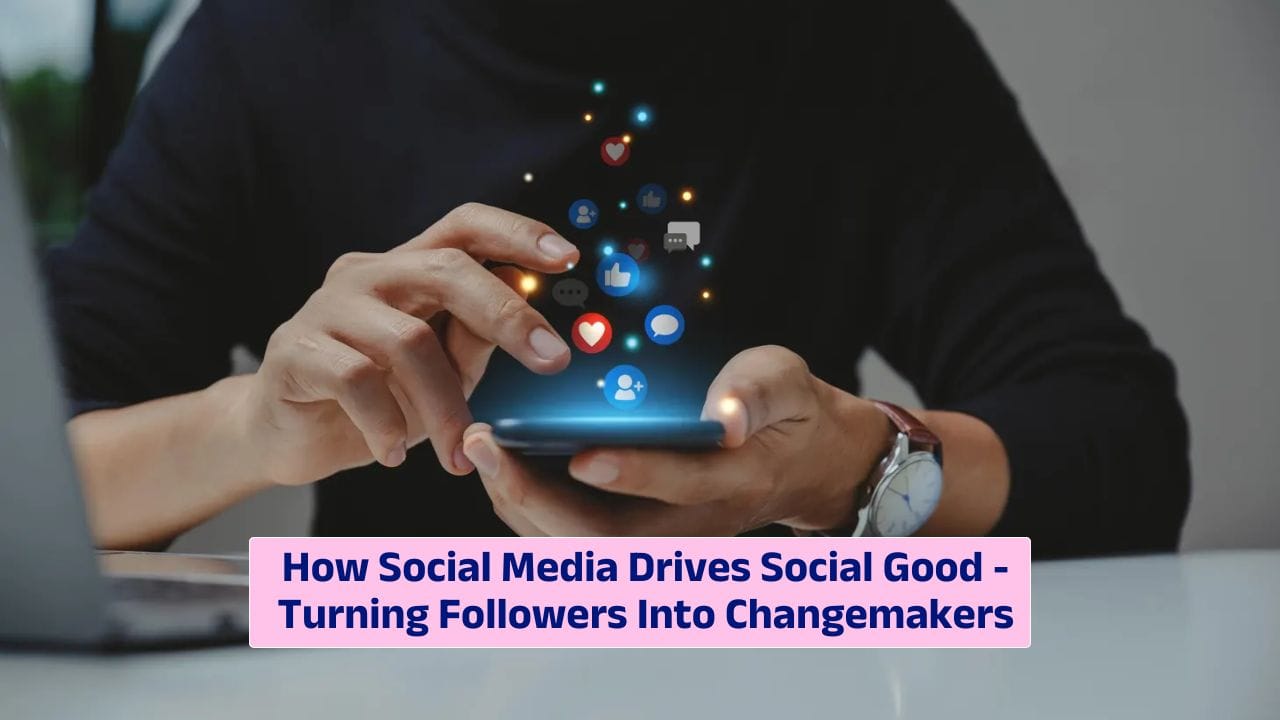
Social media isn’t just for selfies, memes, or food pics anymore. It’s become a serious tool for change. Whether it’s spreading awareness about climate change, raising funds for disaster relief, or mobilizing people for protests, platforms like Instagram, TikTok, and Twitter (now X) are powerful engines of impact.
But here’s the real magic — social media doesn’t just tell stories; it can turn your audience into real-life changemakers. Let’s look into how.
Impact
Social media connects people from every corner of the globe in seconds. One powerful message can ripple through millions of users in a matter of hours. This kind of reach was unimaginable a couple of decades ago.
When people see real-time updates — like floods in Pakistan or fires in California — they’re more likely to act. Emotional stories and live footage tap into empathy and urgency. It’s not just news anymore; it’s personal. That’s when people step up — by donating, sharing, or volunteering.
Nonprofits, activists, and even everyday users can now build communities around causes. These aren’t just followers — they’re supporters, donors, and advocates.
Engagement
Here’s the key to making an impact: engagement. You can have a million followers, but if no one is interacting with your content, it doesn’t matter. Likes, shares, comments, and saves all count — but what really moves the needle is conversation.
Ask questions. Use polls. Share real stories. Respond to comments. It’s about creating two-way communication, not just broadcasting.
Take, for example, a small animal shelter using Instagram Stories to show their daily challenges and victories. Followers see the effort, feel the emotions, and engage with the mission. That’s when a post becomes a movement.
Campaigns
Organized campaigns drive real results. Think hashtags like #BlackLivesMatter or #MeToo. They didn’t just trend — they created global awareness, led to policy changes, and pushed conversations forward.
A good campaign has a clear goal. Maybe it’s getting people to sign a petition, attend a protest, or donate to a cause. Use catchy visuals, consistent branding, and personal stories. People don’t just support messages — they support other people.

Also, use platform-specific strategies. Instagram is great for visuals. X (Twitter) is ideal for fast updates and trending hashtags. TikTok? Perfect for storytelling and viral challenges. The more you tailor your content, the more it resonates.
Influence
Influencers aren’t just selling makeup or clothes anymore. Many are using their platforms for social good. When someone with millions of followers promotes a cause, it creates a ripple effect.
But it doesn’t always need a big name. Micro-influencers — people with smaller, niche audiences — can be even more effective because they have stronger, more personal connections with their followers.
Collab with influencers who genuinely care about the cause. Their authenticity drives trust, and trust drives action.
Tools
You don’t need a big budget to make a difference on social media. Many free or affordable tools help turn ideas into action:

| Tool | Purpose |
|---|---|
| Canva | Create graphics and infographics |
| Linktree | Add multiple links in your bio |
| Hootsuite | Schedule and manage posts |
| GoFundMe | Raise funds quickly and easily |
| Change.org | Start or promote a petition |
| Meta Ads | Boost awareness with targeted ads |
These tools make it easier to organize, promote, and measure the impact of your campaigns.
Strategy
If you’re serious about using social media for good, you need a plan. Random posting won’t cut it. Define your mission, goals, audience, and key message.
Create a content calendar. Mix it up with stories, posts, lives, and reels. Consistency matters — not just in how often you post, but also in your tone, message, and visuals.
Track your performance. Use insights and analytics to learn what’s working and what’s not. Tweak your approach. The more you measure, the more you improve.
Action
The ultimate goal? Turning online engagement into real-world action. Awareness is just the first step. What you really want is for people to take the next step.
That could mean signing up for a volunteer shift, attending a community event, or donating to a fundraiser. Make it easy. Provide direct links, clear instructions, and encourage urgency.
Success happens when people stop scrolling and start doing.
Turning social media into a force for good isn’t about going viral. It’s about creating meaningful, lasting impact — one follower at a time. Use your voice, build your community, and drive action. Because when done right, your online tribe can change the world offline.
FAQs
How does social media help causes?
It spreads awareness, raises funds, and mobilizes communities.
What is a social media campaign?
A targeted effort to promote a cause or action online.
Can small accounts make a difference?
Absolutely, micro-influencers often have deeper trust.
Which platform is best for activism?
Instagram, TikTok, and Twitter each offer unique strengths.
What tools can boost social good online?
Use Canva, Linktree, GoFundMe, and Change.org effectively.