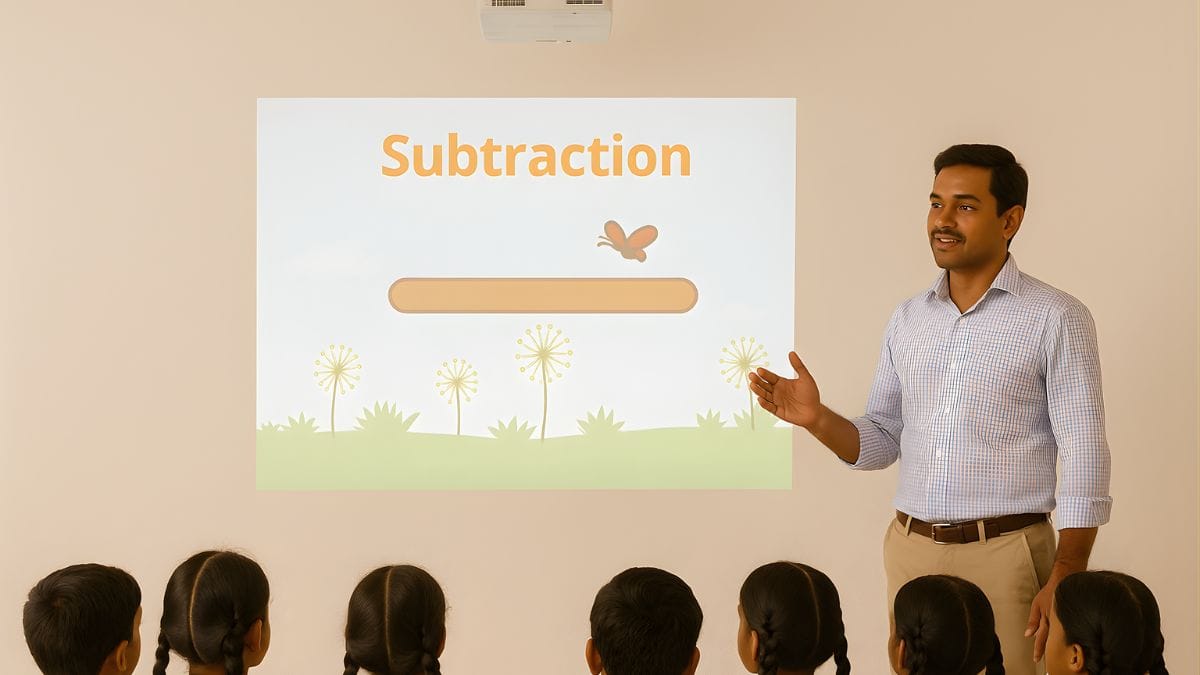
The blackboard is slowly giving way to tablets. In the heart of remote villages, where electricity was once a luxury and textbooks were passed down for generations, something remarkable is happening. EdTech is changing lives, one rural classroom at a time. It’s not just about putting devices in students’ hands—it’s about transforming how learning is delivered and accessed.
Disruption
So, what sparked this rural EdTech revolution? It wasn’t just one event. A mix of pandemic-driven school closures, improved internet connectivity, and affordable digital tools created the perfect storm. For years, students in rural areas struggled to keep up due to limited access to quality education. Now, thanks to mobile apps, solar-powered tablets, and community-led digital classrooms, the playing field is slowly leveling out.
Platforms like BYJU’S, Khan Academy, and government-backed DIKSHA have made learning possible even in regions where schools are miles away. With voice-based AI tutors and regional language support, these tools cater specifically to rural needs. It’s education designed for everyone, not just the urban elite.
Access
Connectivity is the biggest hurdle, right? Not anymore. Many startups and NGOs are using low-bandwidth solutions and offline content to bring lessons to remote areas. Think of it as Netflix for education—you can download and learn anytime, even without the internet.
Here’s a look at how accessibility is evolving:

| Solution Type | Benefit for Rural Areas |
|---|---|
| Offline Content | No internet needed for continued learning |
| Solar-Powered Devices | Reliable power source in off-grid regions |
| Regional Languages | Localized content improves understanding |
| Audio Lessons | Great for students with low literacy levels |
It’s all about fitting the tech to the place, not the other way around.
Community
Tech isn’t replacing teachers—it’s helping them. In rural areas, teachers often juggle multiple roles and lack proper training. Now, with digital resources, they can access real-time training, standardized lesson plans, and teaching aids. Some EdTech platforms even offer peer forums where rural educators can share tips and get support.
And the change isn’t just happening inside the classroom. Village leaders, parents, and local volunteers are embracing tech as a tool to build brighter futures. Learning centers are popping up in community halls, temples, and even under trees, powered by projectors and Wi-Fi hotspots.
Affordability
You might wonder—how can poor communities afford expensive gadgets? That’s the magic of innovation. Many programs rely on shared devices, low-cost tablets, or refurbished smartphones. Others use simple feature phones paired with IVR (interactive voice response) systems to deliver content.
Governments and NGOs often step in to subsidize or provide free access to learning platforms. Crowdfunding and CSR (corporate social responsibility) funds are also being tapped to sponsor smart classrooms and rural learning labs.

Impact
Is it working? The results speak for themselves. Dropout rates are going down. More kids are attending school, virtually or in person. In many villages, girls who once stayed home now study alongside boys using smartphones or tablets.
There’s also a visible boost in confidence and curiosity. Students are asking questions, exploring new topics, and even teaching their siblings at home. In places where education was once seen as a luxury, it’s now becoming a community priority.
Here’s a snapshot of change:
| Before EdTech | After EdTech |
|---|---|
| Poor attendance | Consistent learning through digital means |
| Teacher shortages | Remote teaching and AI-led content delivery |
| Language barriers | Localized lessons in native dialects |
| Lack of resources | Digital libraries and online tools available |
Future
What’s next for rural EdTech? Hybrid learning will likely take center stage, blending traditional teaching with smart tech. AI and AR (augmented reality) could turn village classrooms into interactive labs. Drones might one day deliver tablets or study kits to far-off areas.
But the real challenge will be keeping it all sustainable. This means building better infrastructure, ensuring teacher involvement, and keeping the content culturally relevant. EdTech alone isn’t the answer—but when paired with community willpower, it can be the key to long-lasting change.

This rural EdTech revolution is not just a trend—it’s a movement. From under-resourced huts to tech-enabled classrooms, the journey has just begun. And it proves one thing: when you give people the tools to learn, no village is too remote, and no dream too distant.
FAQs
What is rural EdTech?
It refers to using technology to improve education in remote villages.
Can EdTech work without internet?
Yes, many tools offer offline learning and low-data options.
Are rural teachers using EdTech?
Yes, many now use apps and digital tools to teach better.
Is EdTech affordable for poor villages?
Shared devices and NGO help make it cost-effective.
Has EdTech improved rural learning?
Yes, it’s reduced dropouts and increased student engagement.