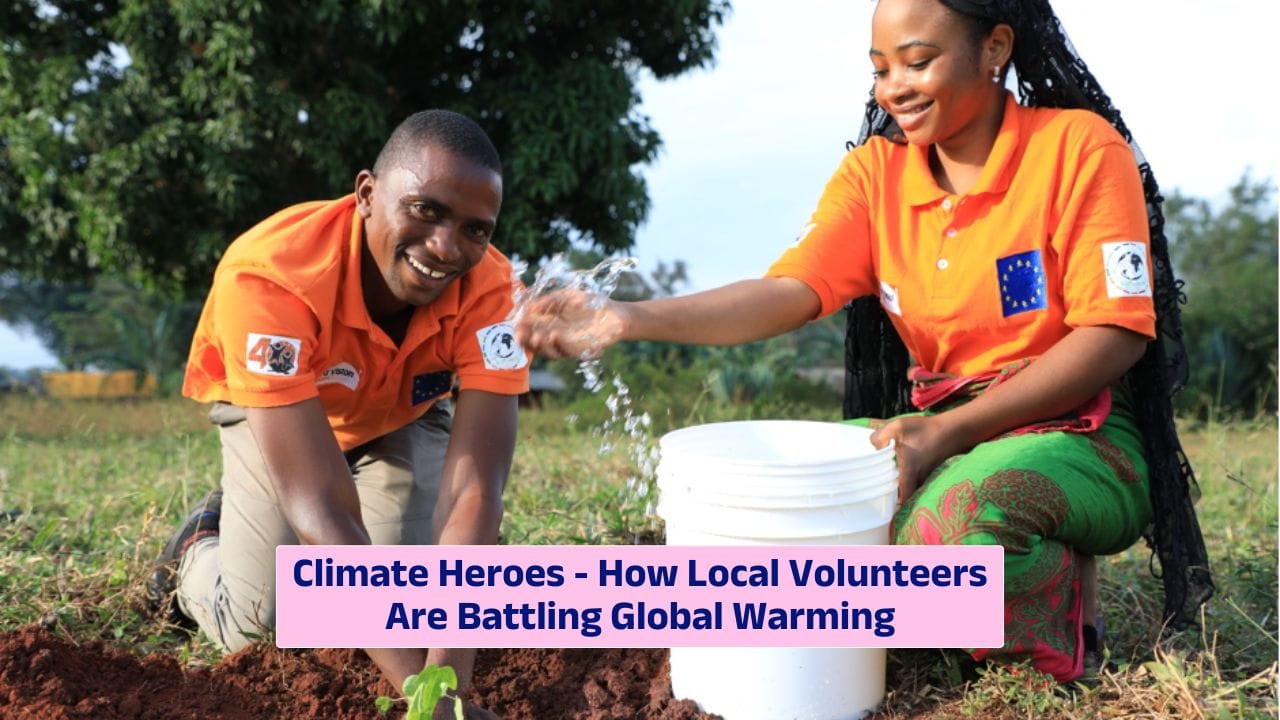
When we think of climate change, it’s easy to picture international summits, big corporations, and government pledges. But there’s another side to the story—one that doesn’t get nearly enough attention. Local volunteers. These everyday people are rolling up their sleeves and making real, hands-on impact in their communities. They might not wear capes, but they are true climate heroes.
Let’s look into how local volunteers across the globe are fighting global warming, one tree, one cleanup, and one conversation at a time.
Awareness
Everything starts with awareness. Many climate volunteers begin their journey after learning how deeply global warming affects their daily lives—through floods, heatwaves, droughts, or rising food prices. And once they know, they can’t look away.
These volunteers educate others too. From school workshops to social media campaigns, they spread the word about what’s happening and what can be done. Because you can’t fix a problem until you understand it.
Action
Local climate heroes don’t just talk—they act. Tree-planting drives, beach cleanups, composting workshops, and bike-to-work challenges are just a few examples. The goal? Reduce carbon footprints and restore ecosystems.

These activities might seem small in isolation, but when hundreds or thousands of people get involved, they add up to something powerful. Think of it like drops filling a bucket—eventually, it overflows with change.
Innovation
Not all heroes follow a guidebook. Many volunteers come up with creative, community-specific solutions. In one village, people build solar cookers using scrap materials. In another, teens use recycled plastic to make eco-bricks for construction.
This kind of grassroots innovation often solves real problems faster than big, slow-moving systems. Volunteers know their communities best, and they adapt solutions to local challenges. That flexibility makes all the difference.
Collaboration
Local efforts gain momentum when people work together. Climate volunteers often team up with schools, businesses, nonprofits, and city councils. These partnerships unlock funding, reach more people, and scale up projects.
For example, a group of volunteers might join forces with a local business to sponsor reusable water bottles for students, cutting plastic waste. Or they may work with the city to set up community gardens that cool urban areas and provide fresh food.

Youth
One of the most exciting trends in climate volunteering is the rise of youth involvement. From high schoolers skipping class to attend climate marches to student-led recycling programs, the younger generation is stepping up in a big way.
They bring energy, creativity, and urgency to the table. And they’re not waiting for permission. They’re building climate clubs, lobbying for greener school policies, and showing adults that leadership isn’t about age—it’s about action.
Impact
So, what difference are these local efforts actually making? A lot, as it turns out. Let’s break it down in a simple table:
| Activity | Environmental Impact |
|---|---|
| Tree planting | Reduces CO2, restores habitats |
| Cleanups | Reduces pollution, saves wildlife |
| Bike advocacy | Lowers emissions, promotes fitness |
| Solar installation | Cuts reliance on fossil fuels |
| Composting | Reduces landfill waste, improves soil |
These aren’t just feel-good gestures—they’re practical, measurable steps that help communities adapt and contribute to the larger fight against climate change.
Challenges
Of course, it’s not always smooth sailing. Volunteers often face burnout, limited funding, and lack of support. It can be frustrating to battle against bureaucracy or see slow results. And climate anxiety is real—it’s hard to stay hopeful in the face of scary headlines.

But what keeps them going is the belief that small actions matter. That change is possible. And that the climate fight isn’t just about the planet—it’s about people, communities, and future generations.
Future
Looking ahead, local climate heroes will continue to play a critical role. As extreme weather worsens and the need for resilience grows, these volunteers will be on the front lines. Their stories remind us that you don’t need power or money to make a difference—you just need heart and commitment.
Want to be a climate hero? Start small. Pick up trash, plant a tree, educate a friend, or join a local group. You never know how big your impact might become.
FAQs
Who are climate heroes?
They’re local volunteers tackling global warming in communities.
What do climate volunteers do?
They plant trees, clean up, teach, and take climate action.
How can I be a climate volunteer?
Join local groups, start small, and raise awareness.
Why is youth involvement important?
Youth bring urgency, ideas, and long-term commitment.
Do small actions really help?
Yes, they add up and create ripple effects over time.