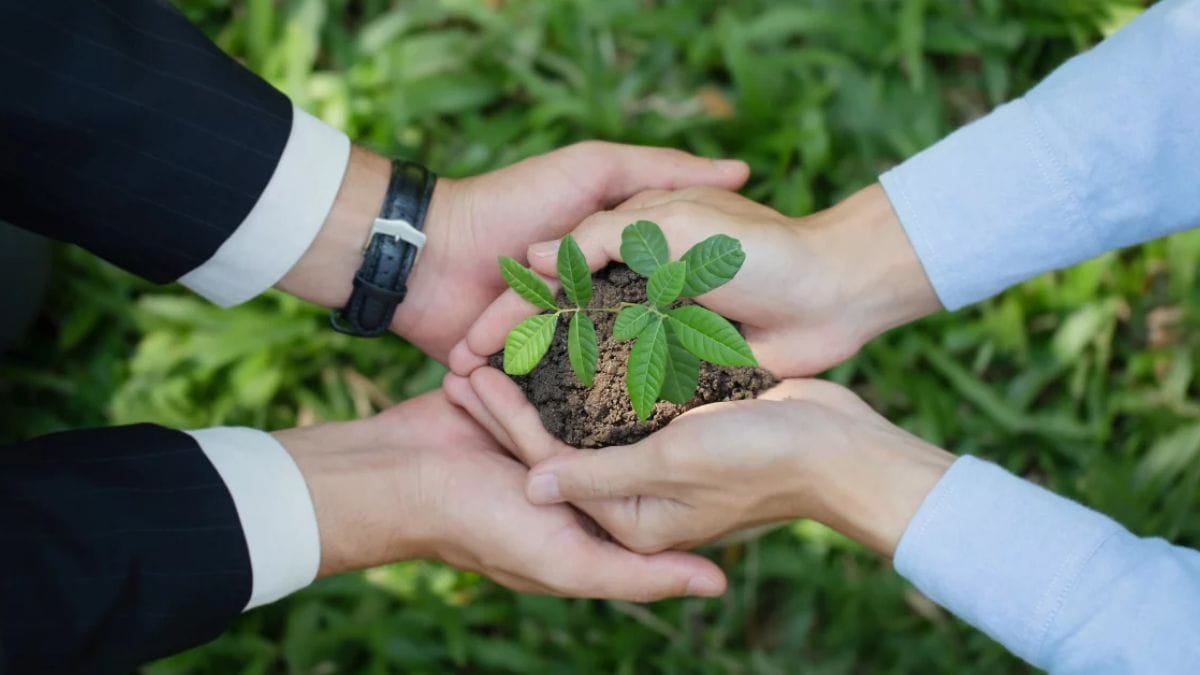
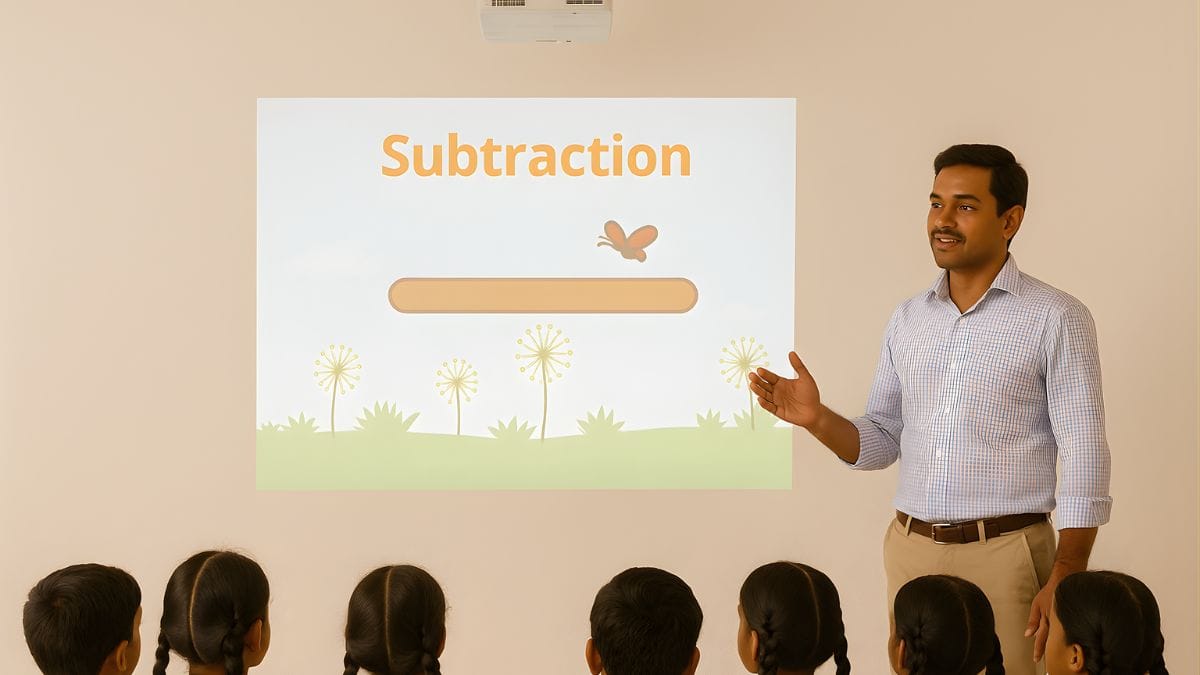
What if schools didn’t just teach math, science, or grammar, but also kindness, empathy, and real-world responsibility? That’s the idea behind “schools of service” — learning environments where academic knowledge meets meaningful action.
These schools focus on building not just smart students, but compassionate, active citizens who are ready to make a difference. By blending education with service, they help kids grow into thoughtful leaders who know the power of empathy and giving back.
Philosophy
At the heart of service-based learning is a simple but powerful belief: education should shape the whole person. That means going beyond textbooks and teaching values like compassion, teamwork, and civic duty. In schools of service, students don’t just learn about social problems — they take part in solving them.
This philosophy helps bridge the gap between knowing and doing. When students see how their actions affect others, learning becomes more meaningful. It’s not just theory; it’s life in motion.
Engagement
Traditional lessons can sometimes feel disconnected from reality. But when students take part in real service projects, they become more engaged. Whether it’s organizing a food drive, cleaning up a local park, or mentoring younger kids, students learn by doing.

And here’s the thing — they remember these lessons. Why? Because they lived them. Experiences stick. They teach responsibility, resilience, and purpose in a way no test ever could.
Empathy
Empathy is a skill that grows with practice. When students are exposed to the needs and struggles of others, they begin to see the world differently. They start asking better questions: How can I help? What do others need? What can I do?
In service-focused schools, empathy isn’t a side lesson. It’s part of the core curriculum. Students develop emotional intelligence alongside academic success. They become better friends, better teammates, and eventually, better citizens.
Leadership
Every student has the potential to lead, but not all get the chance to try. Schools of service create leadership opportunities by encouraging students to take charge of projects, make decisions, and solve problems.
They learn to speak up, work in teams, and think creatively. It’s not about being the loudest in the room. It’s about learning to lead with heart. These lessons shape the leaders we’ll need in tomorrow’s world — leaders who care, collaborate, and create change.

Connection
Service projects connect students with their communities in powerful ways. When kids plant trees, volunteer at shelters, or write letters to isolated seniors, they begin to understand the value of human connection.
It breaks down barriers. It helps students feel like they belong, and that their efforts matter. These connections often lead to long-term involvement in causes and communities — well beyond the school years.
Achievement
You might wonder, does service-based learning affect academics? The answer is yes — in a good way. Studies have shown that students involved in service learning tend to perform better in school. They’re more motivated, more confident, and more likely to finish what they start.
That’s because they see the bigger picture. They understand why they’re learning and how they can use it. Education becomes a tool, not just a requirement.
Here’s a quick breakdown of how service learning supports student growth:

| Area | Benefit Gained |
|---|---|
| Academics | Improved focus, motivation, and performance |
| Empathy | Greater understanding of others’ needs |
| Leadership | Real-world problem-solving and teamwork |
| Engagement | Deeper interest through hands-on experience |
| Community | Stronger local ties and civic responsibility |
Challenge
It’s not always easy to integrate service into school life. Teachers need time and resources. Students may feel uncomfortable stepping out of their routines. But the benefits are worth it.
Schools that embrace this model often see a complete culture shift. Kindness becomes the norm. Respect is expected. Responsibility is shared. And slowly, these qualities spread beyond the classroom into families, neighborhoods, and even careers.
When schools teach service, they aren’t just shaping students — they’re shaping society. In a world that often feels divided and disconnected, education through empathy and action may be exactly what we need most.
FAQs
What is a school of service?
A school that blends academics with community service and empathy.
Why is service learning important?
It teaches empathy, leadership, and real-world responsibility.
Does service learning help academics?
Yes, it improves motivation, focus, and academic performance.
How does service build leadership?
Students take initiative, solve problems, and work in teams.
Can young kids benefit from service?
Absolutely — it builds empathy and community awareness early on.