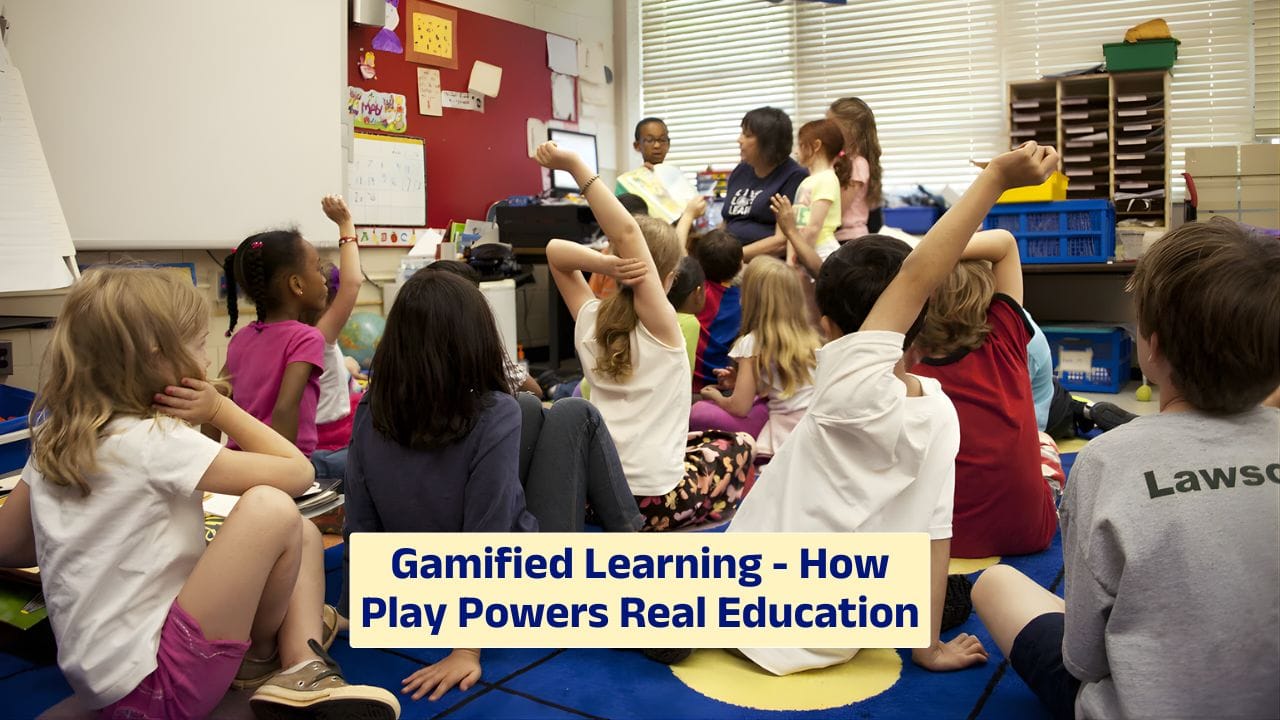
Remember when learning felt like a chore? Long lectures, heavy textbooks, and endless notes? Well, times have changed. Today, learning can feel more like a game than a grind.
Gamified learning is transforming education by turning lessons into interactive challenges, quizzes, and quests. It’s not just fun — it’s effective. By blending game mechanics with educational content, students become more motivated, more engaged, and often learn better without even realizing it.
Concept
At its core, gamified learning takes the elements that make games so addictive — like points, levels, badges, and leaderboards — and uses them in educational settings. It’s not about playing games instead of learning; it’s about making learning feel more like a game.
Think of it like this: instead of solving a boring math worksheet, imagine solving a mystery that requires solving equations to unlock clues. Instead of memorizing history dates, imagine going on a time-travel quest where every correct answer brings you closer to saving the world. That’s gamification in action.
Benefits
Why does gamified learning work so well? Because it taps into human psychology. Games reward progress, provide instant feedback, and spark curiosity. Here are just a few of the big wins:
- Increases motivation
- Encourages healthy competition
- Promotes active participation
- Offers personalized pacing
- Improves retention through repetition
Students who struggle with traditional learning methods often thrive in gamified environments. The pressure lifts, and learning becomes less intimidating and more rewarding.
Tools
You don’t need to reinvent the wheel to bring gamified learning into the classroom or even your own home. There are tons of apps, platforms, and strategies that already do the heavy lifting.
Here are some popular tools that blend education with play:
| Platform | Subject Focus | Game Features |
|---|---|---|
| Kahoot! | All subjects | Live quizzes, leaderboards |
| Duolingo | Language learning | XP points, streaks, challenges |
| Prodigy | Math | RPG-style battles, quests |
| Quizizz | All subjects | Self-paced, avatars, power-ups |
| Classcraft | Classroom management | Team-based quests, rewards |
Whether you’re a teacher, parent, or student, these tools make learning something to look forward to.
Strategies
You don’t always need tech to gamify learning. In fact, some of the best strategies are low-tech and simple to use. Here are a few creative ways to bring gamification into everyday lessons:

- Turn assignments into “missions”
- Use stickers or points for achievements
- Create classroom leaderboards or badges
- Break big tasks into smaller, level-like goals
- Use storytelling to build adventure-based lessons
By turning the process into a challenge or journey, you make students active participants instead of passive receivers. It’s all about giving them a reason to care.
Impact
The best part? Gamified learning doesn’t just make students happier — it makes them better learners. Research shows that students in gamified environments often show higher engagement, stronger memory, and improved problem-solving skills.
Plus, it helps build soft skills like collaboration, perseverance, and critical thinking. These are the kinds of skills that matter in real life — and can’t always be measured by traditional tests.
In the long run, gamified learning is about shifting the mindset from “I have to learn” to “I want to learn.” When students enjoy the process, they stick with it longer, dig deeper, and come out more confident.
Gamified learning is more than just a trend — it’s a new way of thinking about education. It meets students where they are and speaks the language they already know. Whether it’s through apps, classroom strategies, or game-like thinking, turning play into purpose can unlock real potential. When students start seeing learning as a game they can win, everyone wins.
FAQs
What is gamified learning?
It uses game elements to make learning more engaging.
Why is it effective?
Because it boosts motivation and participation.
Can it work without tech?
Yes, even low-tech methods can gamify lessons.
Is gamified learning only for kids?
No, it works for all ages and learning levels.
Which apps support gamified learning?
Kahoot!, Duolingo, Prodigy, and more.