The world is finally waking up to something schools have ignored for too long—mental health. For years, the focus has been grades, exams, and marks. But now, there’s a growing realization that emotional well-being is just as important as academic success.
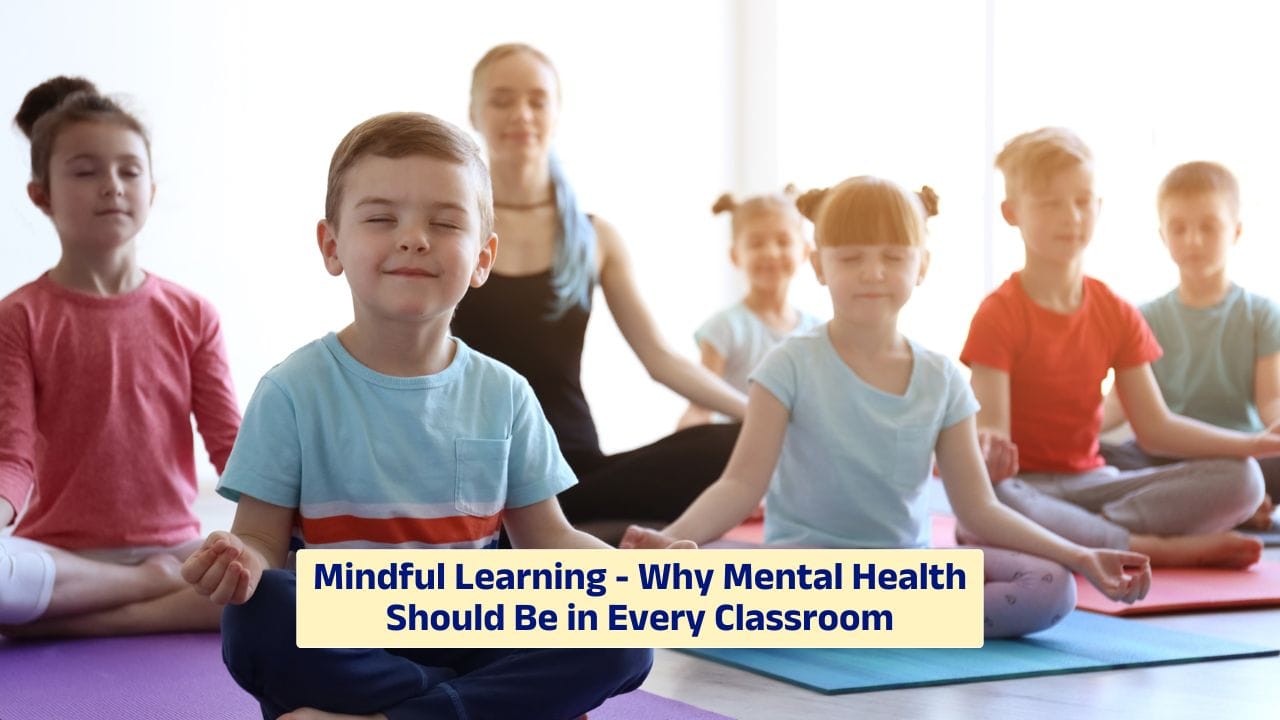
Enter mindful learning, a fresh approach where mental health becomes part of the daily school routine, not just a side conversation. Let’s look into why this shift is no longer optional—it’s necessary.
Pressure
From a young age, students face overwhelming pressure. Whether it’s getting top marks, cracking competitive exams, or pleasing family expectations, the stress is constant. Add peer pressure, social media comparisons, and identity struggles, and you’ve got a mental health time bomb.
Mindful learning helps break this cycle. It teaches kids how to recognize stress, express emotions, and build resilience. By including mental health education in the curriculum, schools can create a safe space for emotional growth alongside academic learning.
Awareness
One of the biggest challenges is that students often don’t even know what they’re feeling. Anxiety? Depression? Burnout? These terms are either misunderstood or not talked about at all.

That’s where early education steps in. Teaching kids the language of emotions—how to name what they feel and understand why they feel it—builds emotional intelligence. And with awareness comes action. Students who understand their emotions are more likely to seek help, support their peers, and avoid dangerous coping habits.
Integration
Mental health doesn’t need to be a separate subject with its own textbook. It can be seamlessly integrated into everyday learning. Think morning mindfulness sessions, group reflections after activities, or journaling as part of English class.
Even subjects like science and social studies can include lessons on the brain, behavior, empathy, and community care. Schools can also bring in counselors, conduct regular mental wellness workshops, and train teachers to be emotional first-responders.
Benefits
So, what actually changes when mental health becomes part of the curriculum? A lot. Students start to sleep better, focus more, and enjoy learning again. They develop better relationships with classmates, feel less anxious about tests, and handle setbacks more maturely.
Teachers also benefit. Classrooms become more peaceful, discipline issues drop, and learning becomes more meaningful. In the long run, students grow into emotionally balanced adults who are not just smart but also kind, confident, and self-aware.

Here’s a snapshot of benefits:
| Area of Life | Without Mental Health Education | With Mental Health Focus |
|---|---|---|
| Academic Scores | Often drops due to stress | Improves with focus |
| Peer Relationships | High conflict or isolation | Healthier friendships |
| Confidence | Low self-esteem | Builds strong self-worth |
| Coping Skills | Negative habits like avoidance | Positive emotional tools |
Global Trends
Around the world, countries are making mental health education mandatory. In the UK, mental health is now part of the national curriculum. In Australia and Canada, schools run programs on emotional regulation and resilience. Even in India, initiatives like the CBSE’s Life Skills program and SEL (Social-Emotional Learning) are gaining ground.
India is catching up, but there’s a long way to go. Making mental health a regular classroom subject—just like math or history—will help create a generation that’s not just academically capable but also mentally strong.
Resistance
Of course, not everyone agrees. Some parents fear it’s a distraction from real learning. Others think kids are too young to talk about mental health. But ignoring it doesn’t make it go away. In fact, the earlier we talk about emotions, the better we prepare kids to handle life.
Just like we teach hygiene to prevent illness, we can teach emotional hygiene to prevent breakdowns. It’s not about turning kids into therapists. It’s about giving them tools to understand themselves.

Future
Imagine a school day where a math class is followed by a guided breathing session. Or a group discussion about failure after a tough exam. This is what future classrooms could look like. Not soft or slow—but balanced, human, and connected.
As technology grows and life speeds up, stress will only increase. Teaching kids how to manage their minds is the best investment we can make. It’s time to stop treating mental health like a crisis response and start treating it like a core subject.
Mindful learning isn’t a trend. It’s the future of education. And it starts with making mental health part of the curriculum—every day, for every child.
FAQs
Why add mental health to curriculum?
It helps students manage stress and grow emotionally.
What is mindful learning?
It’s learning that includes awareness, emotions, and empathy.
How does mental health affect grades?
Good mental health improves focus, memory, and performance.
Is this a global trend?
Yes, many countries are adding mental health education.
Do all students benefit from this?
Yes, every student gains confidence and emotional tools.