Curiosity is the spark that lights the fire of learning. It’s what makes kids ask “why” a hundred times a day and drives adults to look into new hobbies, skills, or even switch careers. When we build curiosity in learners—at any age—we’re not just teaching facts.
We’re inspiring a mindset that fuels growth, discovery, and passion long after the classroom fades into memory. So, how do we build and nurture curiosity from the ground up? Let’s cut in.
Meaning
Curiosity is more than just asking questions. It’s the deep urge to know more, to explore the unknown, and to know how things work. It’s that itch in the brain that drives a child to take apart a toy or an adult to dive into a new podcast or online course.
In education, curiosity turns passive learning into an active journey. A curious student doesn’t just accept answers—they chase them. This hunger for knowledge becomes the foundation of lifelong learning. It’s not limited to school subjects; it’s about cultivating a mindset where learning never really ends.
Science
There’s real brain science behind curiosity. When you’re curious, your brain releases dopamine—the “feel-good” chemical. This makes learning feel rewarding, which in turn makes you want to learn more. It’s like a feedback loop of motivation.

Studies show that curiosity activates the hippocampus, the part of the brain tied to memory. Curious learners remember more because their brains are more engaged. So, curiosity doesn’t just make learning fun—it makes it stick.
Childhood
Curiosity begins early. Babies explore the world through touch, sound, and sight. They put things in their mouths not just to be difficult, but because it’s how they learn. As kids grow, their questions become more complex.
However, this natural curiosity can fade over time, especially in environments that prioritize memorization over exploration. That’s why it’s crucial to nurture it from a young age. Give kids the freedom to ask, to experiment, to fail, and to try again. The earlier curiosity is encouraged, the stronger the habit of lifelong learning becomes.
Schooling
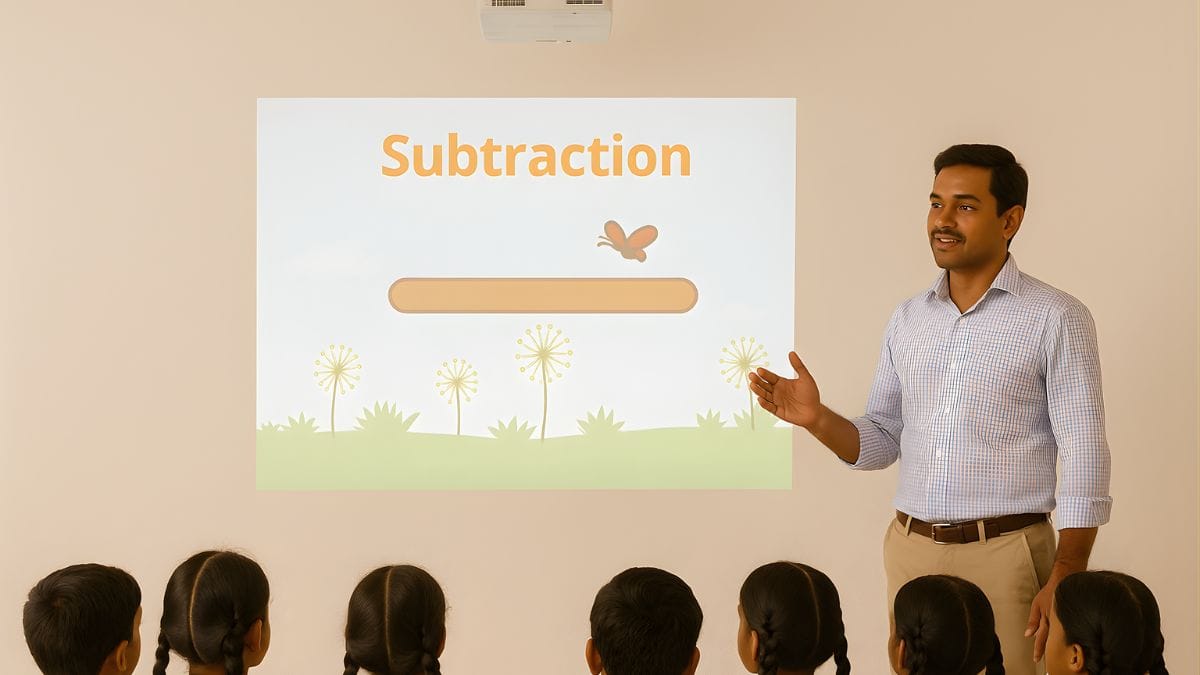
Traditional education sometimes struggles with curiosity. A strict focus on standardized tests can leave little room for exploration. But schools that prioritize inquiry-based learning, project-based assignments, and student-led discussions tend to produce more engaged, curious learners.
Teachers can encourage curiosity by:

- Asking open-ended questions
- Encouraging “what if” scenarios
- Allowing student choice in projects
- Creating safe spaces for trial and error
- Connecting lessons to real-life situations
When students feel their curiosity is welcome, they become more involved and more independent in their learning journey.
Environment
The space around a learner plays a big role in shaping curiosity. Environments that are rich in resources—books, tools, visuals, nature—offer more opportunities to explore and ask questions.
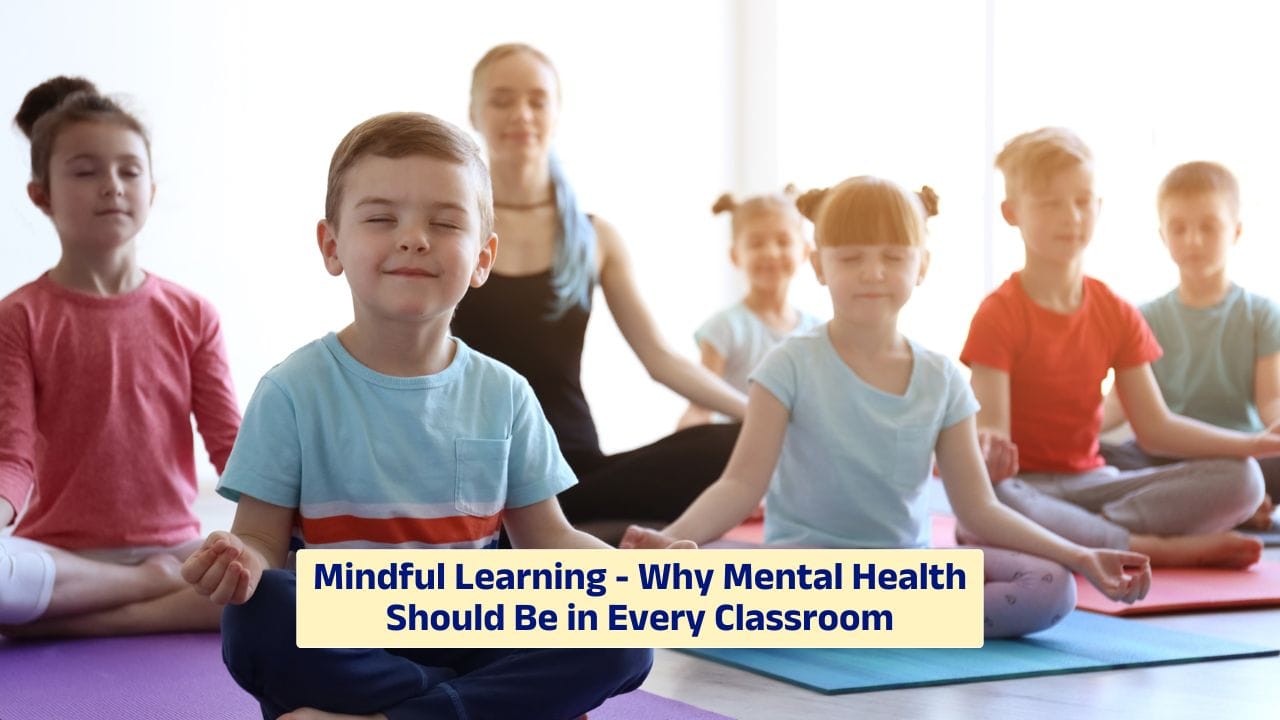
But it’s not just physical space. Emotional environment matters too. Learners are more curious when they feel safe, supported, and unafraid to make mistakes. Whether at home, school, or online, creating a culture of curiosity is key.
Simple tweaks can help:
- Display questions on classroom walls
- Set up learning corners or curiosity jars
- Allow time for passion projects or personal research
- Celebrate effort over perfection
Curiosity grows best where questions are welcomed more than answers.
Adulthood
Curiosity doesn’t expire with age. In fact, it’s what keeps adult minds sharp and adaptable. Lifelong learners read books, watch documentaries, attend workshops, learn new languages, and take on new challenges—all driven by curiosity.
In a fast-changing world, the ability to learn and unlearn is more valuable than any static knowledge. Curious adults tend to thrive in dynamic careers and adapt better to change. They don’t fear not knowing; they embrace the chance to discover.
Future
In a world where information is just a click away, curiosity is more important than ever. The challenge isn’t accessing knowledge—it’s knowing what to ask. Future-ready learners aren’t the ones who know the most, but those who never stop asking questions.
Education systems, parents, and workplaces must all do their part to fuel curiosity. It’s the root of creativity, innovation, and critical thinking. And in a world that rewards ideas more than answers, curiosity is the new currency of growth.
If we want to raise lifelong learners, we must build a foundation based on wonder, not just knowledge. Curiosity isn’t a distraction from learning—it is learning. And the best part? It’s contagious. When one person starts asking bold questions, it invites others to do the same. That’s how learning evolves, and how learners grow—forever.
FAQs
What is curiosity in learning?
It’s the desire to look and know new things.
Why is curiosity important in education?
It boosts engagement, memory, and motivation to learn.
How can schools encourage curiosity?
By using open-ended questions and student-led projects.
Does curiosity help adults too?
Yes, it fuels growth, adaptability, and lifelong learning.
Can curiosity be taught or developed?
Absolutely—with the right environment and support.