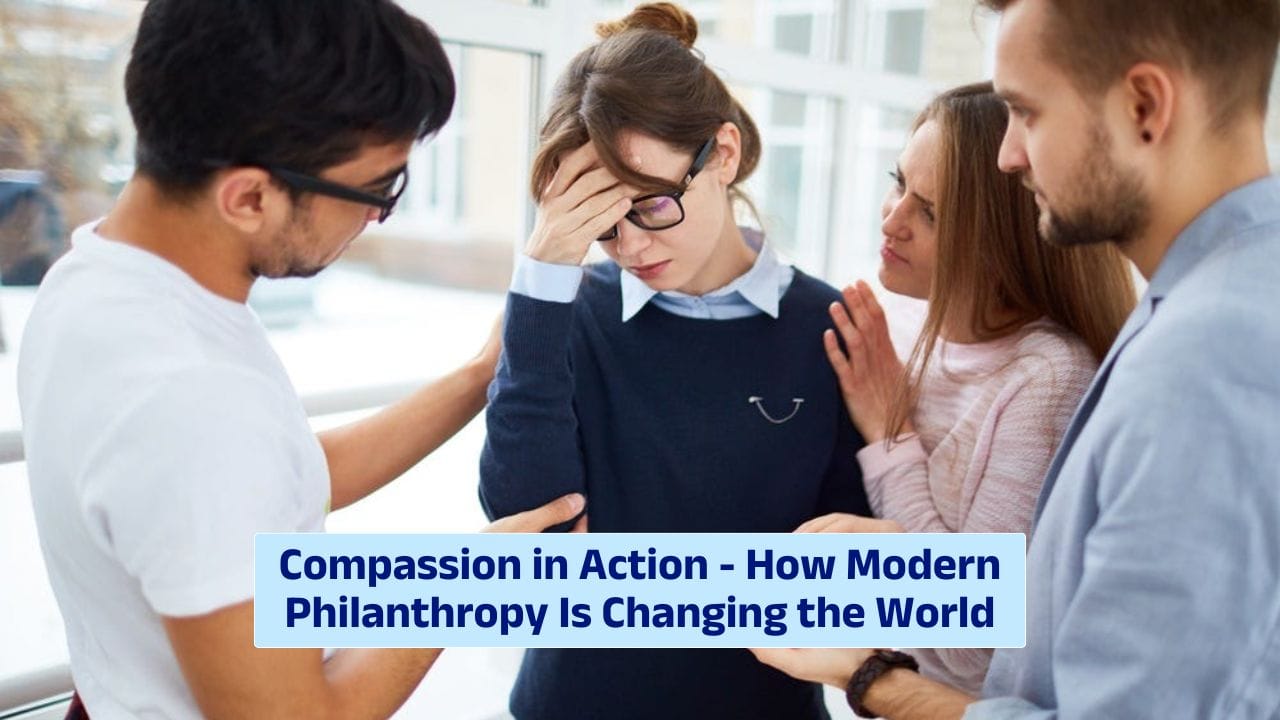
Philanthropy isn’t what it used to be. Forget the image of billionaires writing checks behind closed doors. Today’s giving is more transparent, inclusive, and focused on real impact. Modern philanthropy is about rolling up your sleeves, being present, and working side by side with communities. It’s not just about giving money—it’s about giving time, talent, and heart.
Compassion in action means turning empathy into effort. Whether you’re donating, volunteering, or launching a social initiative, it’s about actively participating in change, not just funding it from afar.
Shift
The big shift in philanthropy today is from charity to change. Traditional charity was often about quick relief—feeding the hungry, giving shelter, or offering short-term aid. While those things still matter, modern philanthropy looks deeper. It asks, why are people hungry in the first place? And how can we fix that?
This new model focuses on root causes rather than symptoms. It combines data, empathy, and long-term thinking to create real solutions. Donors are becoming problem-solvers, not just patrons.
Involvement
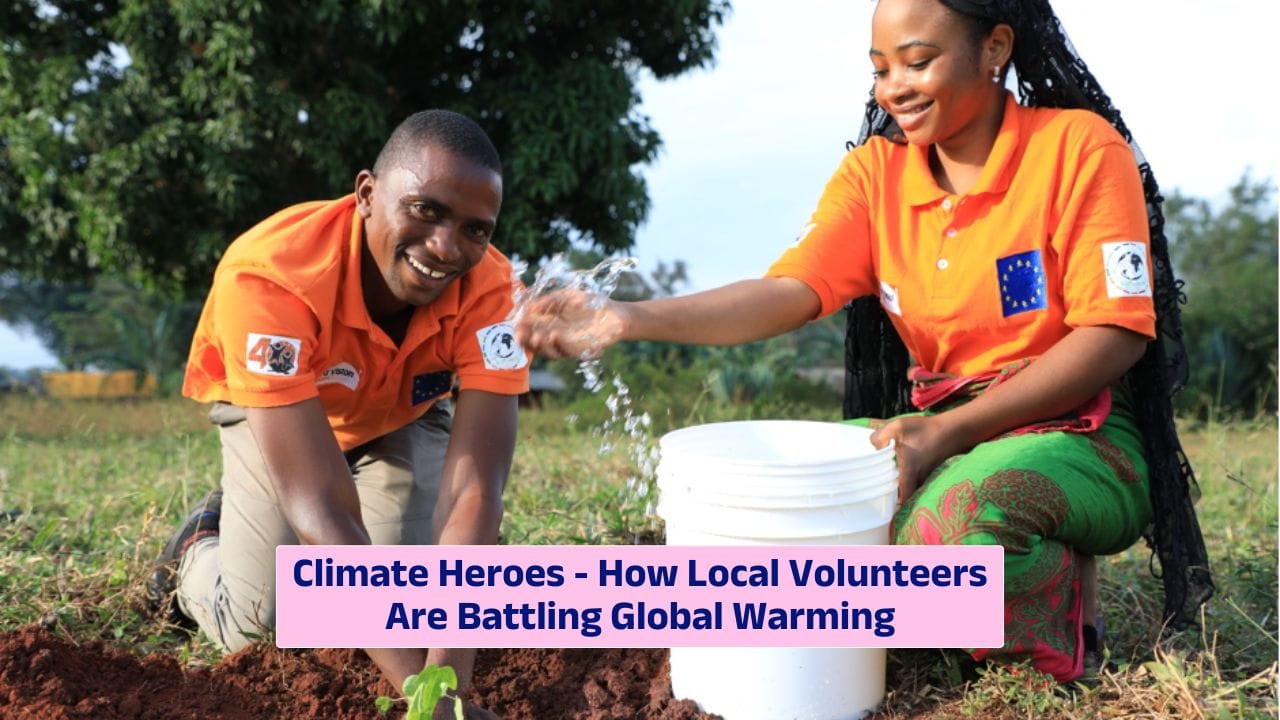
Giving money is just one piece of the puzzle. Today’s philanthropists—whether wealthy individuals or everyday citizens—are getting involved on the ground. They visit projects, mentor youth, build partnerships, and co-create solutions with the people they want to help.
It’s not about “us helping them” anymore. It’s “we’re in this together.” That shift changes everything—from how funds are used to how success is measured.
Here’s a quick comparison:
| Approach | Traditional Philanthropy | Modern Philanthropy |
|---|---|---|
| Focus | Donations | Solutions & systems |
| Donor role | Distant supporter | Active participant |
| Community voice | Minimal | Central |
| Measurement | Dollars given | Impact achieved |
Technology
Technology is playing a massive role in transforming philanthropy. From crowdfunding platforms to blockchain tracking, it’s easier than ever to give, monitor, and see the real results of your contributions.
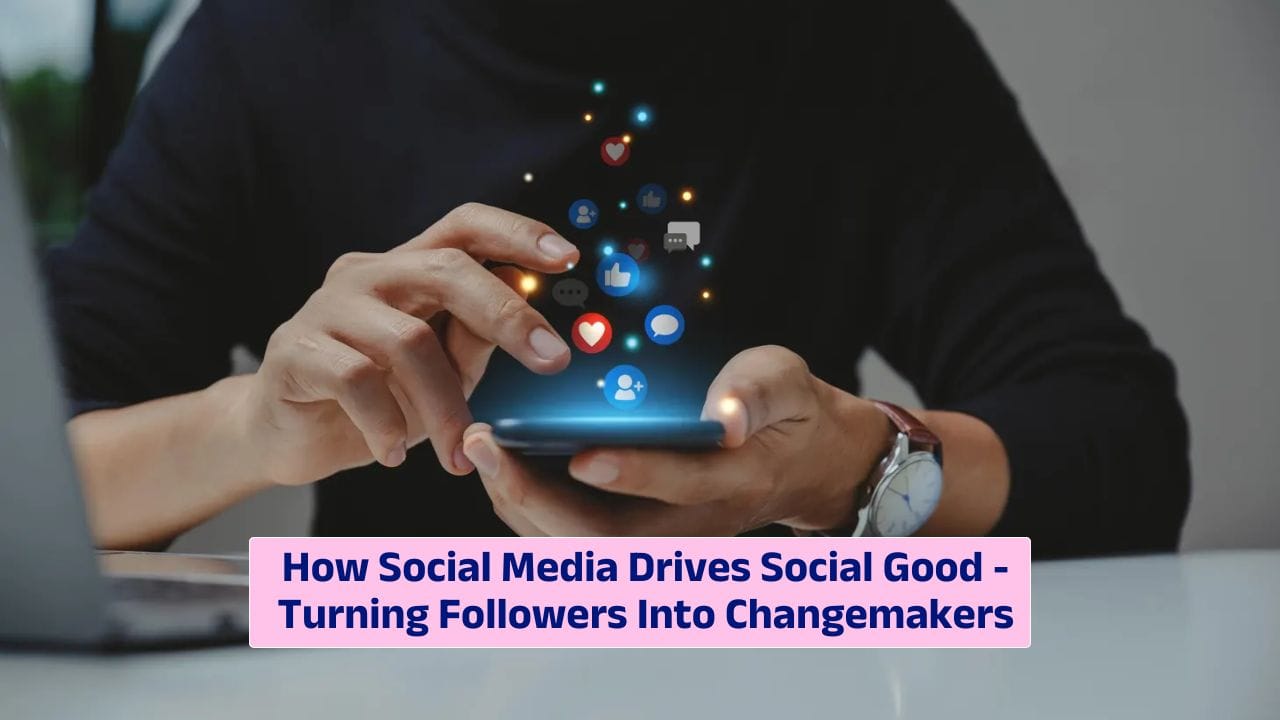
Social media also allows causes to reach people directly. A video of a village getting clean water can go viral overnight, drawing in global support. That visibility builds trust, accountability, and momentum.
Apps now allow you to donate with a tap, track your impact, or even join global volunteer communities. Philanthropy is no longer locked in boardrooms—it’s in your pocket.

Diversity
Modern philanthropy is becoming more inclusive. In the past, giving was dominated by a small group of wealthy individuals. Today, it’s about collective action. Anyone can be a philanthropist—students, retirees, small business owners, or social media influencers.
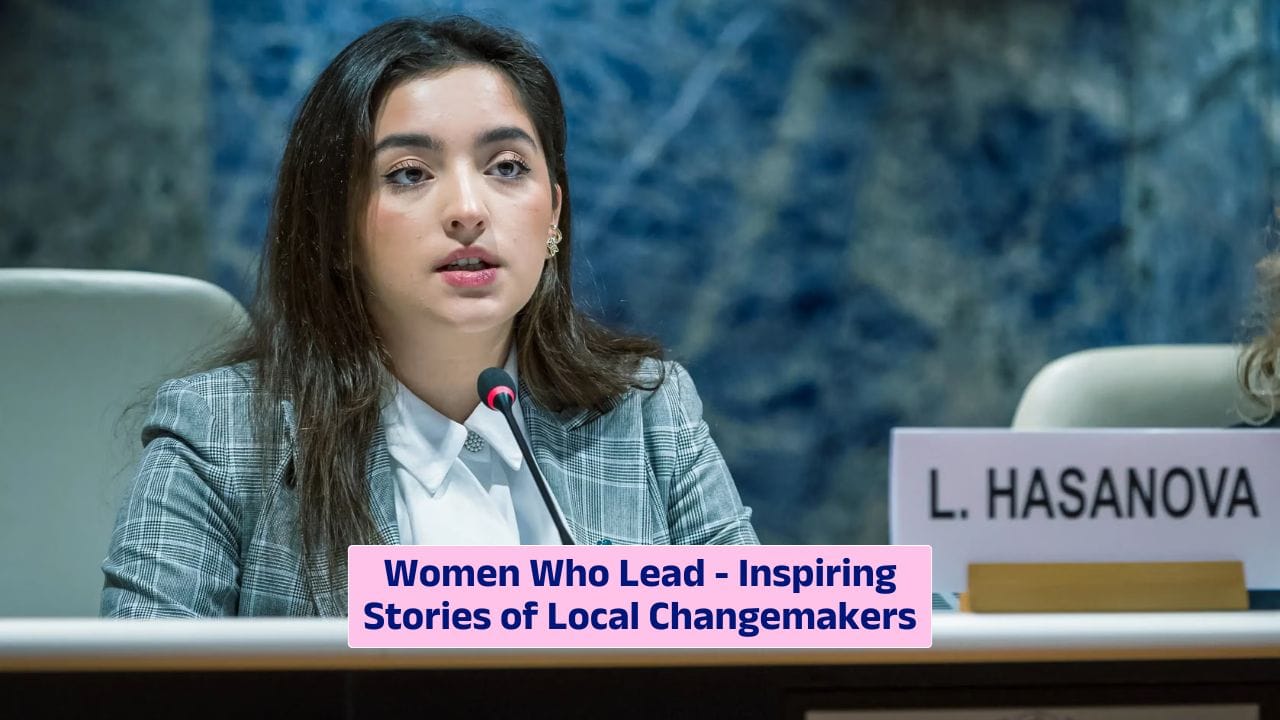
There’s also a growing focus on equity. Voices that were once excluded are now leading the way. Communities of color, women-led initiatives, and grassroots organizations are stepping up, and funders are learning to listen instead of dictate.
Trust
Trust-based philanthropy is gaining ground. Instead of tying donations to strict requirements, funders are now giving organizations more freedom to decide how to use the money. Why? Because the people closest to the problem usually know best how to solve it.
This approach also reduces bureaucracy, speeds up action, and respects the expertise of nonprofits. It’s about partnership, not power.
Innovation
Solving big problems takes bold ideas. That’s why modern philanthropy supports innovation—from climate tech to education reform. Funders are taking more risks, investing in early-stage solutions, and backing social entrepreneurs with fresh approaches.

Philanthropy is no longer just reactive—it’s proactive. It’s about building better systems, not just patching broken ones.
Youth
The next generation is reshaping philanthropy. Gen Z and millennials are demanding transparency, purpose, and action. They’re more likely to support causes than institutions and more interested in impact than recognition.
Young donors and activists are using digital tools to rally support, challenge outdated models, and push for justice. They’re proving that compassion doesn’t have an age limit—and that change can start with a tweet, a TikTok, or a tiny donation.
Philanthropy is no longer about writing checks and walking away. It’s about standing with others, sharing your strengths, and being part of something bigger than yourself. Compassion in action means showing up, speaking out, and doing the work—even when it’s hard. Because real change doesn’t come from distance—it comes from connection.
FAQs
What is modern philanthropy?
It’s impact-driven giving focused on long-term solutions.
How is tech changing philanthropy?
It enables easier giving, tracking, and engagement.
Can anyone be a philanthropist?
Yes, anyone can contribute time, skills, or money.
What is trust-based giving?
It gives nonprofits freedom to use funds as needed.
Why is youth important in philanthropy?
Young people bring energy, innovation, and digital tools.