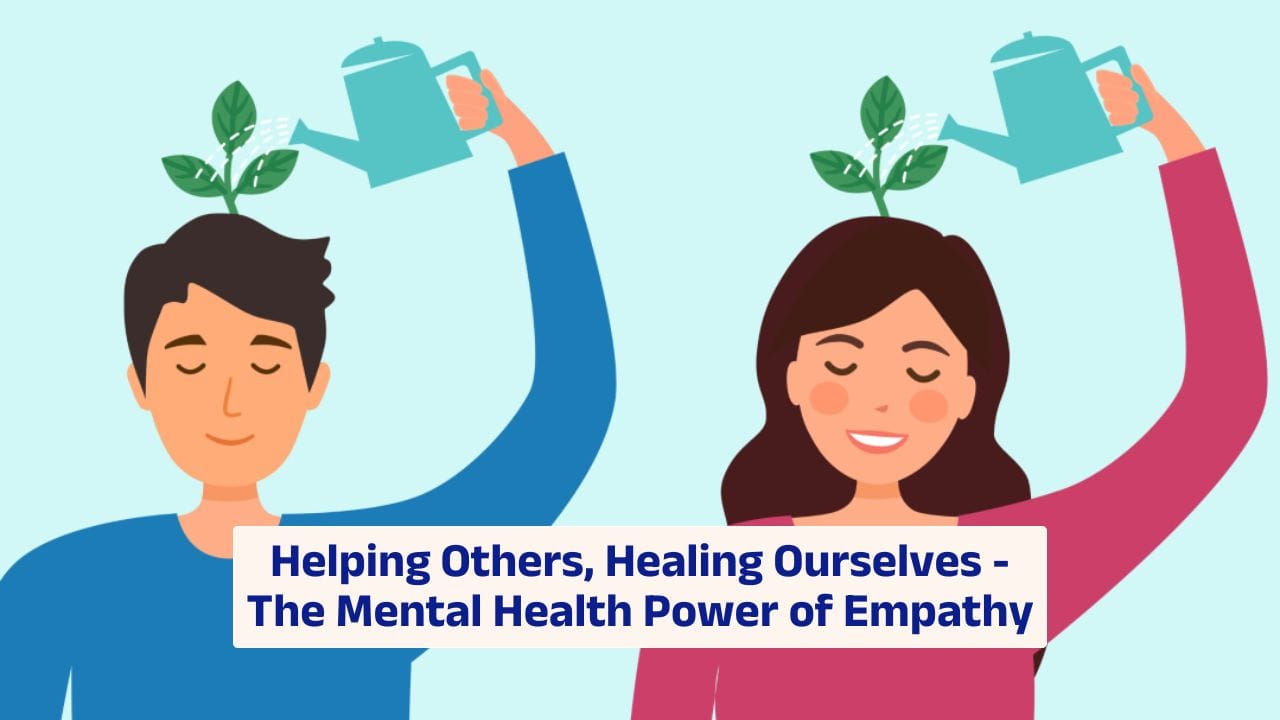
We often think of empathy as something we give to others. But what if offering support and kindness to someone else also strengthens our own mental health? Turns out, helping others is one of the most underrated ways to improve emotional well-being.
In a world where stress and anxiety are on the rise, empathy in action is becoming a powerful tool—not just for community healing, but for personal peace of mind too.
Connection
At its core, empathy is about connection. It’s seeing someone’s struggle and choosing to stand beside them, even if you can’t fix it. That sense of human connection can be incredibly grounding. When we step outside of our own heads to focus on someone else’s needs, we often gain perspective.
Helping others helps remind us that we’re not alone. It shifts attention away from personal worries and opens up space for compassion and understanding. Whether it’s listening to a friend, volunteering at a shelter, or simply offering kind words, empathy builds emotional bridges.
Purpose
One of the key drivers of good mental health is a sense of purpose. When we help others, especially in meaningful ways, we feel useful. We feel needed. That sense of contribution can lift mood, reduce symptoms of depression, and increase overall life satisfaction.

It doesn’t have to be grand. Even small acts of kindness—a check-in call, a meal shared, a favor offered—can give our lives more direction and depth. Helping others adds emotional value to everyday routines, making us feel part of something bigger than ourselves.
Science
There’s real science behind this, too. Studies show that people who volunteer or regularly help others report lower stress levels, improved mood, and even longer life spans. Acts of kindness trigger the release of feel-good hormones like oxytocin and dopamine.
These brain chemicals help reduce anxiety and promote calm. Helping others also decreases cortisol, the stress hormone. So, while you’re making someone else’s day, you’re also improving your brain chemistry.
Balance
That said, empathy needs balance. Giving too much without caring for your own needs can lead to burnout or compassion fatigue. It’s important to set boundaries and make sure that your helping doesn’t come at the cost of your own mental health.
Think of it like a battery—you need to recharge regularly to keep giving. Practicing empathy also includes being kind to yourself, knowing when to say no, and making space for your own healing.

Everyday
You don’t need a structured volunteer program to put empathy into action. Everyday opportunities to help are all around. Maybe it’s mentoring a colleague, helping a neighbor, or just being present with a loved one going through a hard time.
Even showing kindness online or sharing resources can create a ripple effect. The more empathy we practice, the more emotionally connected we become—not just to others, but to our better selves.
Here are a few simple ways to help others that also benefit your mental health:
| Action | Mental Health Benefit |
|---|---|
| Listening to someone | Builds emotional awareness |
| Volunteering locally | Increases happiness and self-esteem |
| Sharing skills or time | Gives a sense of purpose |
| Acts of kindness | Releases feel-good brain chemicals |
| Being present in crisis | Strengthens emotional resilience |
Community
Empathy also builds stronger communities. When people look out for each other, the whole group benefits. Trust grows, support systems form, and loneliness decreases.
Being part of a community where empathy is the norm creates a mental safety net. When you know someone has your back, you’re more likely to cope with stress, open up, and ask for help when needed.

Future
Looking ahead, empathy could become one of the most important mental health tools we have. It’s free, it’s contagious, and it doesn’t require anything more than a willingness to care. As conversations around mental well-being continue to grow, it’s clear that we don’t heal alone.
We heal through connection. And by lifting others, we often lift ourselves in the process. Empathy isn’t just a nice gesture—it’s a daily practice that can transform how we feel, think, and live.
FAQs
Can helping others reduce stress?
Yes, it lowers stress hormones and boosts mood.
What are easy ways to show empathy?
Listen, help with tasks, or offer kind words daily.
Does empathy improve mental health?
It promotes connection, purpose, and emotional resilience.
Is there science behind this?
Yes, studies show empathy triggers feel-good brain chemicals.
Can too much empathy hurt?
Yes, without balance it may lead to burnout.