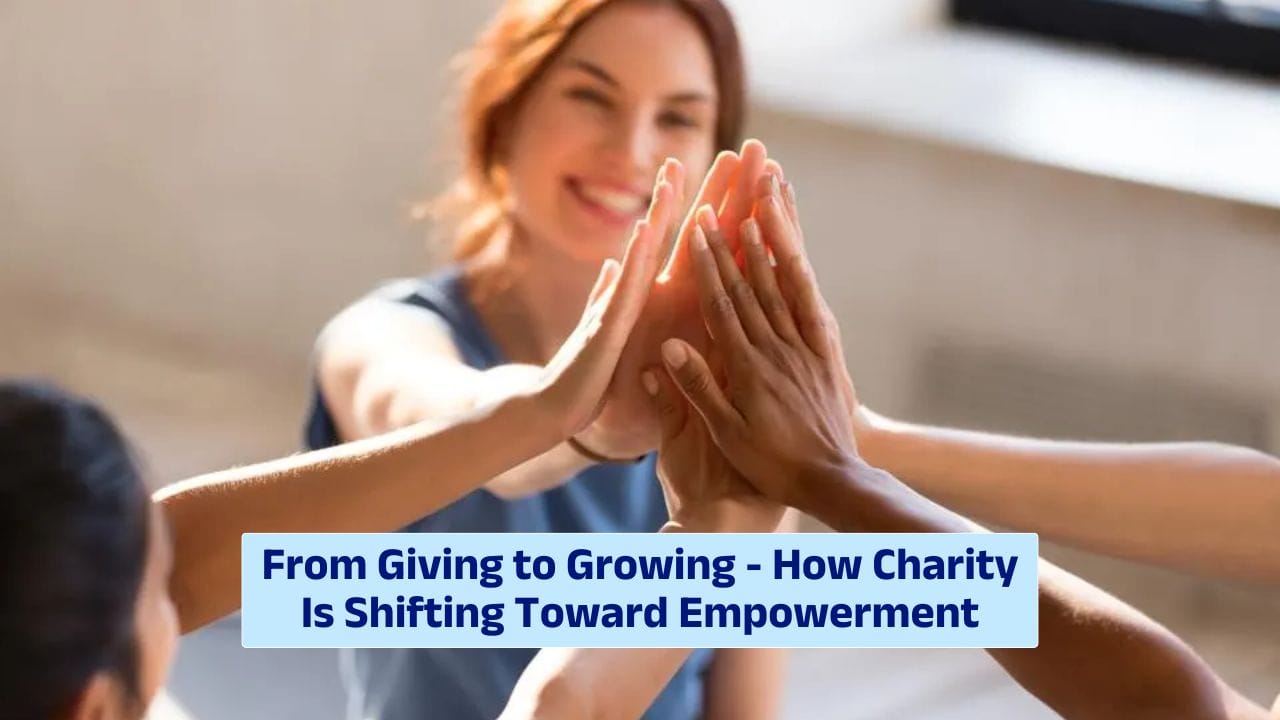
Charity has long been associated with giving money, food, or clothes to those in need. And while donations still play a vital role, there’s a new wave of thinking taking over – one that focuses less on short-term aid and more on long-term empowerment. It’s about helping people build skills, gain independence, and change their own lives.
This modern approach is reimagining what charity looks like – turning handouts into hand-ups, and creating change that lasts far beyond the donation box.
Shift
Traditional charity is rooted in compassion, but often focuses on temporary relief. It helps people survive difficult moments, which is important. But what happens when the support ends? In many cases, those receiving aid still face the same struggles.
That’s where the shift begins. Today’s charities are asking deeper questions: How can we help people stand on their own? How do we build something sustainable? And how can we move from simply giving, to truly growing?
Empowerment is becoming the answer. Instead of just giving food, organizations are teaching farming. Instead of just handing out cash, they’re offering financial literacy training. It’s a smarter, stronger model for real, lasting change.

Empowerment
Empowerment means giving people the tools, resources, and confidence they need to create their own solutions. It respects their dignity and talents. It assumes that everyone has potential – they just need the opportunity to unlock it.
This shift is about partnership, not pity. When you empower someone, you’re not doing things for them; you’re doing things with them. It creates a sense of ownership, pride, and possibility that traditional charity often lacks.
Some examples include:
- Microloans to help women start small businesses
- Job training for people experiencing homelessness
- Education programs for underprivileged children
- Community-led health initiatives in rural areas
These programs don’t just solve one problem – they open doors for a lifetime.
Benefits
Empowerment-based charity comes with powerful long-term benefits. It strengthens communities, reduces dependency, and creates real pathways out of poverty.

Let’s compare the outcomes of traditional vs empowerment-based approaches:
| Approach | Short-Term Result | Long-Term Impact |
|---|---|---|
| Food donation | Hunger relief | Temporary support |
| Farming education | Skills and food security | Ongoing income and independence |
| Cash assistance | Immediate needs met | Repeated reliance |
| Financial training | Budgeting and saving habits | Financial resilience and growth |
The goal is not just to meet today’s needs but to transform tomorrow’s reality.
Innovation
Technology is also playing a big role in this reimagined model. With mobile banking, digital education, and remote job training, people in even the most isolated areas are getting access to tools that can change their lives.
Charities are now using apps to deliver health advice, platforms to teach coding, and online marketplaces to connect artisans with global buyers. It’s not just innovative – it’s inclusive.
For example:

- Kiva offers microloans through online crowdfunding
- One Acre Fund supports African farmers with digital tools
- Teach a Man to Fish provides entrepreneurial education online
These platforms are merging innovation with empowerment, creating global opportunities from local challenges.
Participation
Another key difference in this new model is community involvement. Instead of designing solutions from the outside, many nonprofits are now co-creating programs with the people they serve. This ensures the solutions are relevant, respectful, and rooted in real needs.
When communities have a voice in their own development, they are more engaged and committed. It’s no longer about giving help – it’s about sharing power.
And when people feel empowered, they pass that empowerment on. Skills, confidence, and resources get shared, multiplying the impact far beyond the original project.
Mindset
To truly reimagine charity, we also need to shift our mindset as donors and supporters. Instead of asking, “What can I give?” we need to ask, “What can I help build?”
This doesn’t mean we stop giving. Donations are still important. But it means being more thoughtful about where our money goes and how it’s used. Are we funding band-aids, or are we planting seeds for change?
Supporting empowerment means investing in education, small businesses, healthcare access, and other programs that create independence. It means seeing those we help not as victims, but as future leaders.
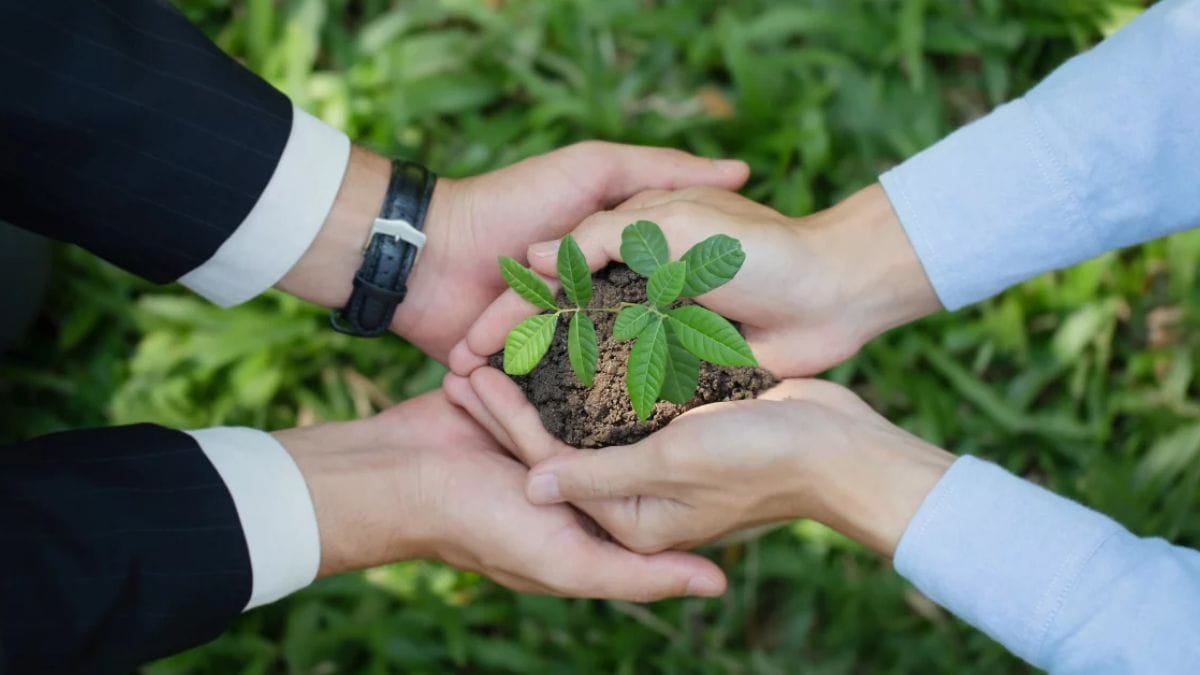
Charity is evolving – and for the better. The move from donation to empowerment is changing lives in deeper, more lasting ways. It’s no longer just about giving what we have, but about building what others need to thrive. When we shift from relief to opportunity, everyone rises.
FAQs
What is empowerment-based charity?
It helps people gain skills and independence, not just aid.
How is this different from traditional charity?
It focuses on long-term change, not short-term relief.
Can donations still help?
Yes, when they support education, jobs, or tools for growth.
What are examples of empowering charity?
Microloans, job training, farming education, digital tools.
Why is empowerment important?
It builds confidence, reduces dependence, and changes futures.