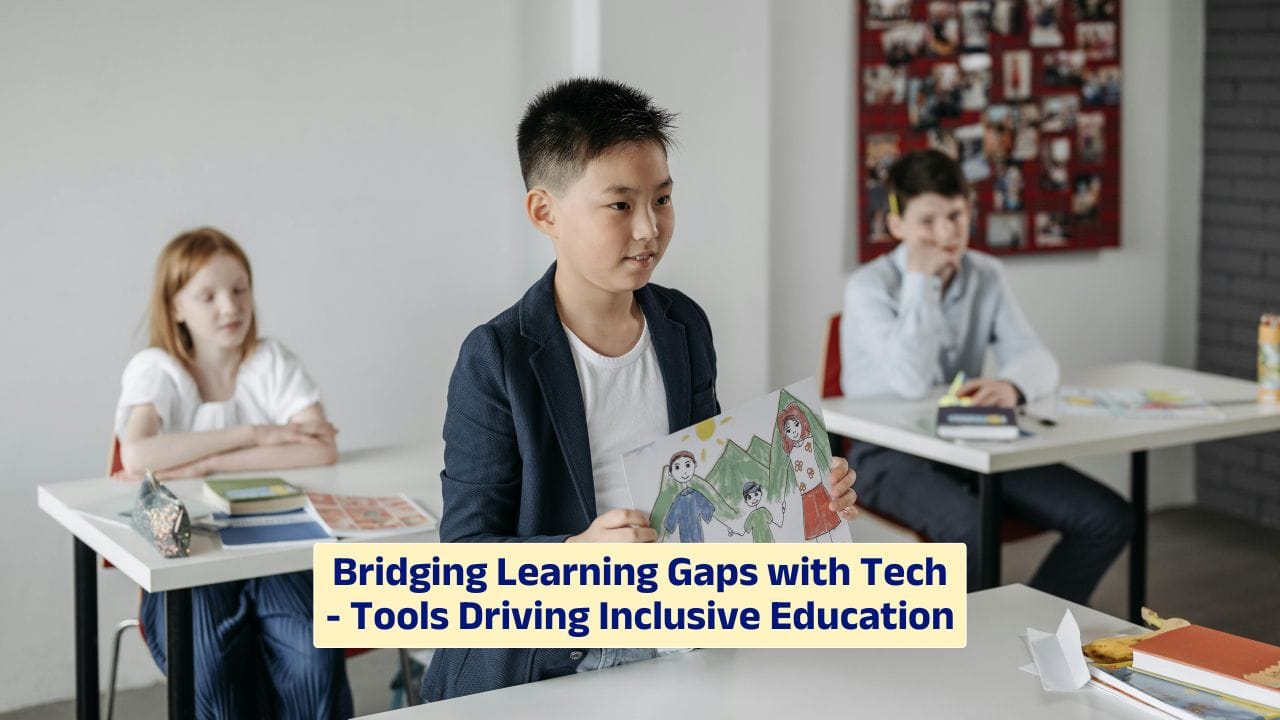
Technology has become more than just a classroom accessory—it’s a game-changer. For students who’ve historically been left behind due to physical, financial, or geographic barriers, tech offers a lifeline.
From remote learning platforms to assistive apps, technology is actively bridging the learning gap and making education more inclusive than ever before. Let’s cut into how these tools are reshaping the future of education.
Barriers
Not every student starts from the same place. Some live in remote areas where schools are miles away. Others have disabilities that traditional classrooms aren’t equipped to handle. Many lack access to trained teachers or basic materials. These gaps have existed for decades, and they often widen with time.
But now, technology is stepping in to level the playing field. The goal isn’t just digital access—it’s true educational inclusion, where every learner has the opportunity to thrive regardless of their background.
Devices
It all starts with access to devices. Tablets, smartphones, and laptops are becoming more affordable and widespread. Governments and nonprofits are working to distribute them to students in underserved communities. Even something as simple as a solar-powered tablet can be a game-changer in a rural village with no electricity.

Many of these devices come preloaded with learning content in local languages. This means students can learn at their own pace, even without internet access. Offline learning tools have opened doors for students who previously had no schooling options at all.
Platforms
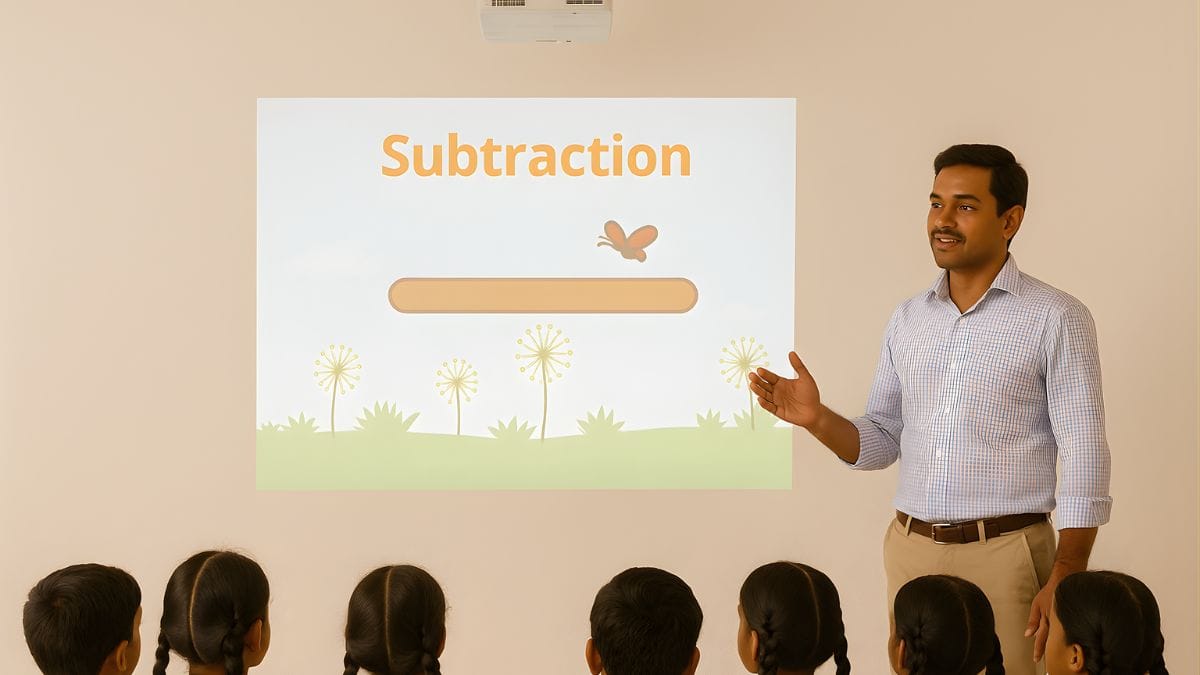
Online learning platforms like Google Classroom, Khan Academy, and Coursera are helping millions learn anytime, anywhere. These platforms offer courses in everything from basic math to advanced science, often for free. They also include interactive features like quizzes, videos, and games to keep students engaged.
For students with learning disabilities, there are platforms with built-in accessibility features—like screen readers, closed captioning, and voice commands. These tools allow students to access content in ways that work best for them.
Assistive
One of the most powerful tech-driven changes has been the rise of assistive technologies. These tools are designed specifically to help students with physical or cognitive challenges. Think of speech-to-text software for students who can’t write, or Braille displays for those with visual impairments.
There are also apps that help students with autism navigate social cues, or tools that break down complex instructions into manageable steps for learners with ADHD. These innovations don’t just help students catch up—they help them flourish.

Here’s a quick look at some key tools making education more inclusive:
| Tech Tool | Purpose |
|---|---|
| Screen Readers | Support visually impaired learners |
| Speech-to-Text | Helps those with writing difficulties |
| Learning Platforms | Provide remote and self-paced learning |
| Braille Devices | Enable text access for blind students |
| Captioning Software | Aids deaf or hard-of-hearing students |
Connectivity
Of course, tech means nothing without internet access. That’s why there’s a big push to improve connectivity in rural and low-income areas. Some countries have set up satellite internet in villages. Others offer free mobile data for students.
Community Wi-Fi hubs and offline content downloads are also becoming popular. These allow students to download lessons when they have a connection, then study offline at home. It’s not perfect, but it’s progress.
Training
Teachers are a key part of this transformation. No matter how advanced the tech, it’s only useful if educators know how to use it. That’s why teacher training is critical. More and more schools are offering workshops on digital tools, inclusive teaching strategies, and tech-based assessments.
When teachers feel confident using tech, they can adapt lessons to different student needs, track progress better, and personalize learning experiences. That’s a win for everyone.
Future
The future of inclusive education looks bright—and it’s powered by innovation. As technology continues to evolve, we’ll see even smarter tools, from AI tutors to immersive learning through virtual reality. But the heart of the mission stays the same: every student deserves the chance to learn, grow, and succeed.
By breaking down old barriers and opening new doors, tech is giving voice to those who’ve been silent, and opportunity to those who’ve been overlooked. In the end, inclusion isn’t just about access—it’s about belonging. And thanks to technology, more students than ever before are finally getting their seat at the table.
FAQs
How does tech help inclusive education?
It offers tools that support diverse learning needs.
What are assistive technologies in schools?
They include screen readers, speech tools, and Braille devices.
Can students learn without internet?
Yes, many tools work offline or offer download options.
Why is teacher training important?
It ensures educators use tech effectively and inclusively.
Which platforms offer free learning?
Sites like Khan Academy and Coursera provide free lessons.