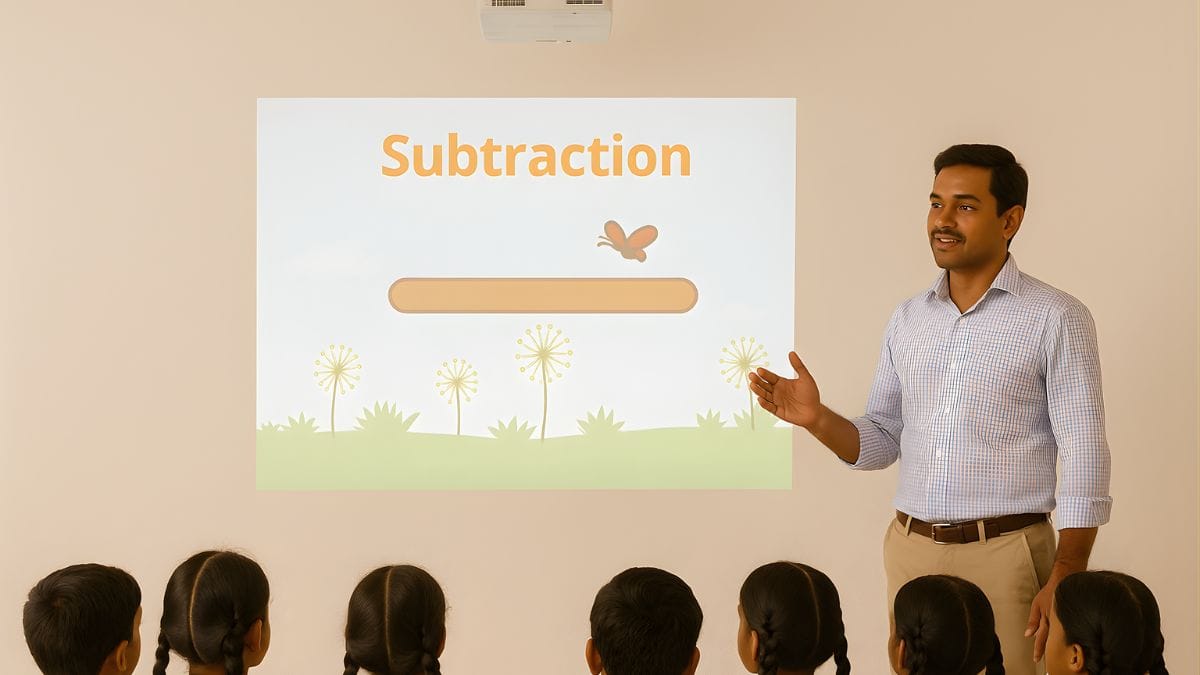
What if schools looked less like institutions and more like inspiration hubs? Imagine walking into a classroom where natural light flows in, furniture adapts to your learning style, and tech blends into the background—not dominates it.
That’s not science fiction—it’s the vision for the future school. As education evolves, so must the spaces we learn in. These future-ready environments are being designed to inspire curiosity, boost creativity, and nurture lifelong learners.
Mindset
Traditional classrooms were built for memorization, not motivation. Rows of desks facing a chalkboard don’t exactly scream innovation. But curiosity needs freedom, flexibility, and a bit of chaos. That’s why schools of the future start with a mindset shift—from rigid control to open exploration.
This new approach treats students like creators rather than passive listeners. It says: “Let’s learn together” instead of “Sit down and be quiet.” And that change in mindset? It shapes every part of the school building, from the layout to the lighting.
Layout
The future classroom doesn’t have four walls—it has zones. Think open-plan learning spaces, collaborative corners, and quiet pods all under one roof. It’s like a co-working space for kids. Why? Because everyone learns differently.
Some students thrive in group settings, while others need peace and quiet. Flexible layouts allow spaces to morph throughout the day. A science project in the morning turns into a mindfulness zone by afternoon. Walls might be mobile, furniture modular, and spaces multi-functional.
Here’s how a flexible layout compares to a traditional one:
| Feature | Traditional Classroom | Future Learning Space |
|---|---|---|
| Seating | Fixed desks in rows | Movable, ergonomic seats |
| Room function | One purpose | Multi-use zones |
| Teacher’s position | Front of class | Integrated into the group |
| Student collaboration | Limited | Encouraged |
Light
Lighting can influence mood, focus, and even creativity. Natural light helps regulate sleep patterns, boosts mood, and makes students more alert. Future schools prioritize windows, skylights, and even outdoor learning.
Artificial lighting also steps up. LEDs can shift tone depending on the time of day—cooler light for alertness, warmer tones for calm and creativity. Why does this matter? Because students aren’t robots. Their energy and focus shift during the day, and lighting can support that rhythm.
Nature
Speaking of light, what about nature? The future school doesn’t trap students inside—it brings the outdoors in. Plants, green walls, and even indoor gardens are becoming standard features. Outdoor classrooms are popping up too, where students learn under trees instead of ceilings.

This isn’t just for aesthetics. Studies show that nature reduces stress and improves cognitive function. Plus, it teaches students to respect and engage with the environment—something we could all use more of.
Tech
Of course, we can’t talk about the future without talking tech. But here’s the twist: tech should be invisible. The best technology doesn’t demand attention—it supports learning seamlessly.
That means smart boards, voice assistants, augmented reality, and personalized learning software. But more importantly, it means tech that adapts to students’ needs. A dyslexic student might use text-to-speech tools. A visual learner might explore a concept through 3D modeling. The goal is not to replace teachers—but to empower them.
Community
Future schools aren’t just for students. They’re for communities. That means opening the space after hours for events, clubs, or even wellness programs. When schools double as community centers, students feel more connected—and communities grow stronger.
This also helps break the old barriers between school and real life. When parents, local leaders, and businesses are involved, learning becomes more relevant and less abstract. It’s no longer about passing a test—it’s about contributing to something bigger.

Sound
Let’s not forget sound. Traditional schools are noisy. Echoing halls, shouting across rooms, and the hum of fluorescent lights—it’s a lot. But acoustic design is finally getting the attention it deserves.
Soundproof zones, soft materials, and smart acoustics help students focus and feel calm. Whether it’s a quiet zone for deep thinking or a lively area for group discussions, sound design helps create the right vibe.
The future school is not about gadgets or gimmicks. It’s about designing for humans—curious, creative, messy humans who learn best when they’re comfortable, engaged, and inspired. As we reimagine education, let’s also reimagine the places where it happens. Because a well-designed space doesn’t just house learning—it fuels it.
FAQs
What defines a future school?
Flexible, tech-enabled, nature-integrated learning spaces.
Why is natural light important in schools?
It boosts mood, focus, and student well-being.
How does layout affect learning?
Flexible zones support different learning styles.
Is technology replacing teachers?
No, it’s used to enhance and personalize learning.
Do future schools help communities?
Yes, they serve as hubs for events and engagement.