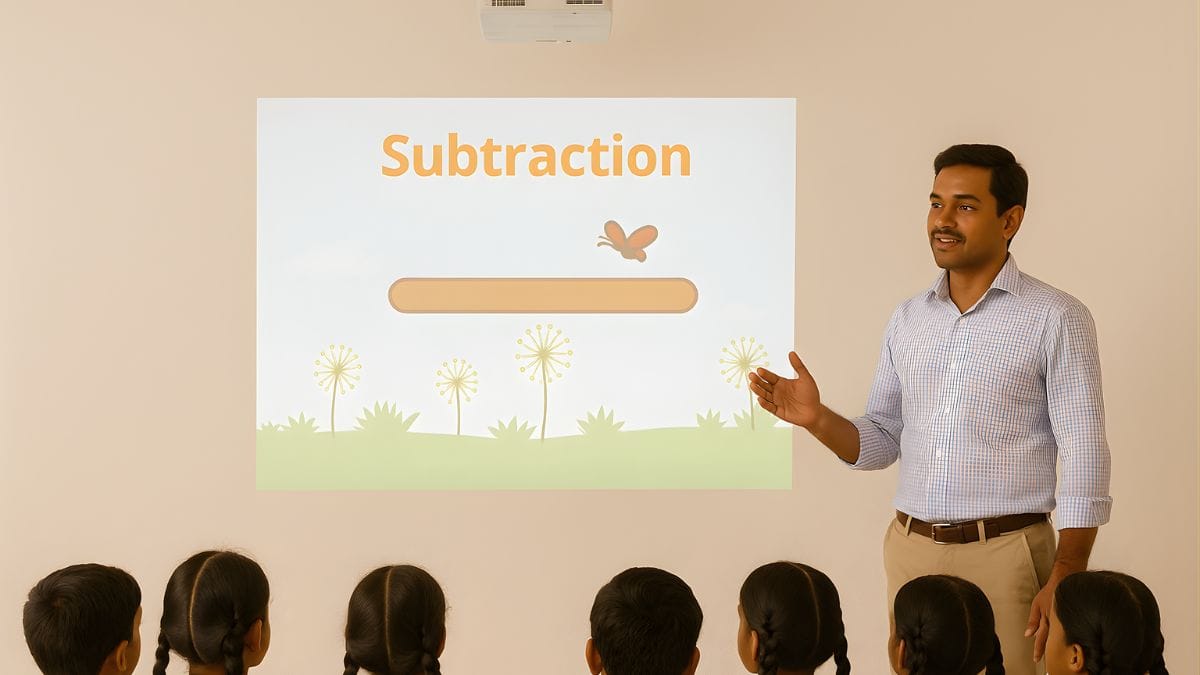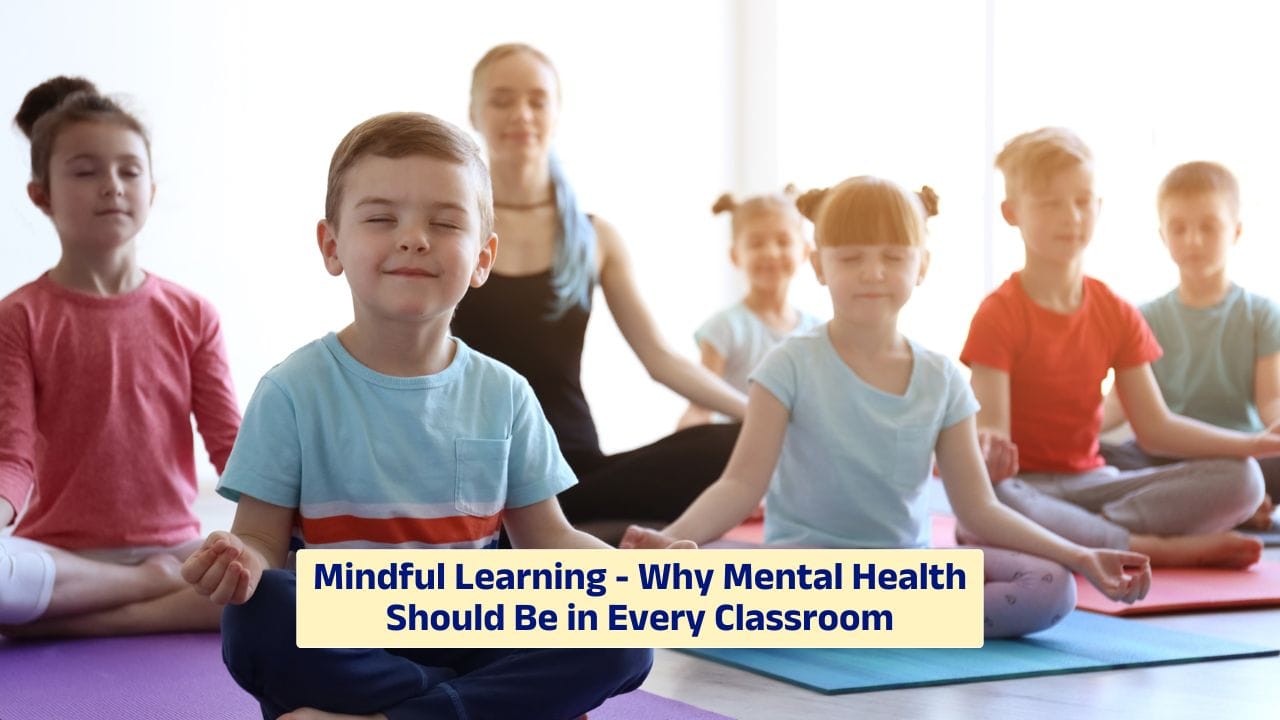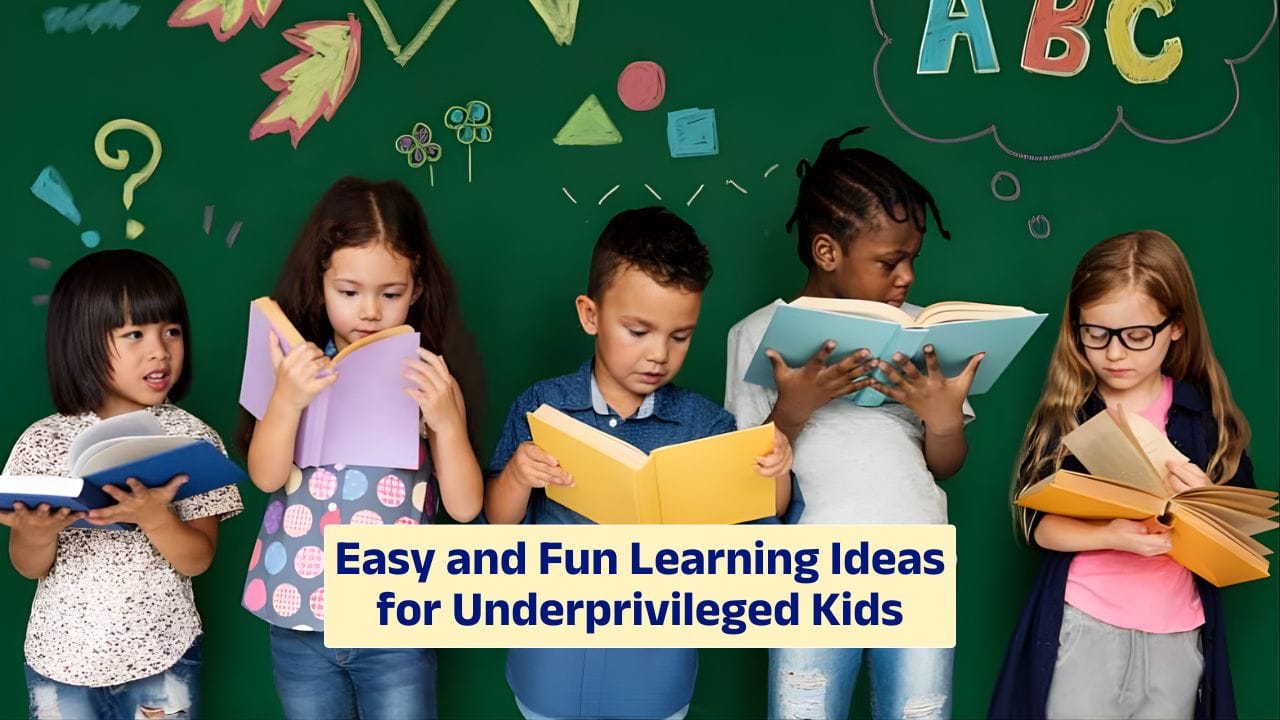
Learning doesn’t have to be serious or boring, especially for kids who already face tough situations in life. When education feels like a game or an adventure, it becomes something to look forward to.
For underprivileged children, turning learning into fun isn’t just a bonus—it’s a lifeline. It helps them stay engaged, curious, and confident. Let’s cut into some simple yet powerful ways to make learning fun for kids who need it most.
Games
Games are the easiest way to get children interested in learning. Whether it’s word games, number puzzles, or memory challenges, kids soak up information without even realizing they’re studying. You can play spelling bee contests or math bingo with just a few handmade cards.
Even classic games like hopscotch can be turned into learning tools—add letters or numbers to each box and turn jumping into a lesson. The key is to mix movement with thinking.
Stories
Kids love stories, especially when they can see themselves in the characters. Telling stories is a great way to teach lessons without making it feel like a lecture. You don’t need fancy books. You can use local tales, make up your own, or ask the kids to come up with stories.
Stories can explain difficult topics like honesty, kindness, or sharing. They also build listening skills, vocabulary, and imagination. Want to go one step further? Act out the stories as a group—it turns a simple reading session into a mini play.
Songs
Ever noticed how fast kids learn the lyrics of a song? That’s because music sticks in the brain better than plain information. Create fun educational songs with simple tunes. It could be the alphabet song, math facts, or even science rules.
Add hand movements or clapping rhythms and you’ve got a full-on learning party. This method is perfect for younger children or those who struggle with reading. It’s learning in disguise—and it works wonders.
Art
Drawing, painting, and crafting give kids a creative outlet while sneaking in some education. You can teach shapes, colors, or even science concepts like the water cycle through art projects. Ask them to draw what they learned in class.
Even better, let them turn trash into treasure—using recycled items for crafts teaches creativity and environmental awareness at the same time. You don’t need expensive materials; even a stick and dirt can become tools for creativity.

Group
Teamwork makes learning more enjoyable and less stressful. Group activities allow kids to help each other, share ideas, and build social skills. Divide them into teams for quiz games, storytelling chains, or scavenger hunts.
When children work together, they learn more than just facts—they learn cooperation, respect, and confidence. And for underprivileged kids who may feel isolated, being part of a team builds a sense of belonging.
Visuals
Not every child learns the same way. Some need to see things to understand them. Visual aids like pictures, flashcards, charts, or even a hand-drawn map can make abstract ideas real. Use colorful drawings or posters to explain things like numbers, body parts, or maps.
Even if you don’t have printed materials, drawing on the ground with chalk or a stick can do the job. When kids can see what they’re learning, it sticks better and feels more real.
Rewards
Everyone loves a little reward, and for kids, even a sticker or a cheer can mean a lot. Positive reinforcement keeps motivation high. Celebrate every small success—a correct answer, a great drawing, or a thoughtful idea.
You don’t need to give out toys or candy. A simple clap, a star on the board, or letting them be the “teacher” for the day can be enough. Rewards build confidence and turn learning into something joyful.
Here’s a quick breakdown of fun learning methods and their benefits:
| Method | Example Activity | Benefit |
|---|---|---|
| Games | Math bingo, spelling bee | Builds problem-solving skills |
| Stories | Local tales, role plays | Boosts imagination and values |
| Songs | ABC song, clap rhythms | Improves memory and recall |
| Art | Draw lessons, recycled crafts | Encourages creativity and focus |
| Group Work | Team quizzes, storytelling | Teaches teamwork and communication |
| Visuals | Flashcards, hand drawings | Aids visual memory and clarity |
| Rewards | Stickers, praise, roles | Builds confidence and excitement |
Making learning fun doesn’t require fancy gadgets or big money. It just needs a little creativity, time, and heart. For underprivileged children, these fun methods don’t just make school better—they make life brighter.
Every child deserves a chance to learn with joy, no matter their background. With simple tools and playful methods, we can turn every lesson into a moment of magic.
FAQs
Why make learning fun for poor kids?
It helps them stay engaged and boosts confidence.
What simple games can help learning?
Spelling bees, math bingo, and hopscotch with numbers.
Can songs really teach lessons?
Yes, songs improve memory and make learning fun.
How does art help in learning?
Art builds creativity and makes lessons visual.
Are rewards important in learning?
Yes, they motivate and build self-esteem.