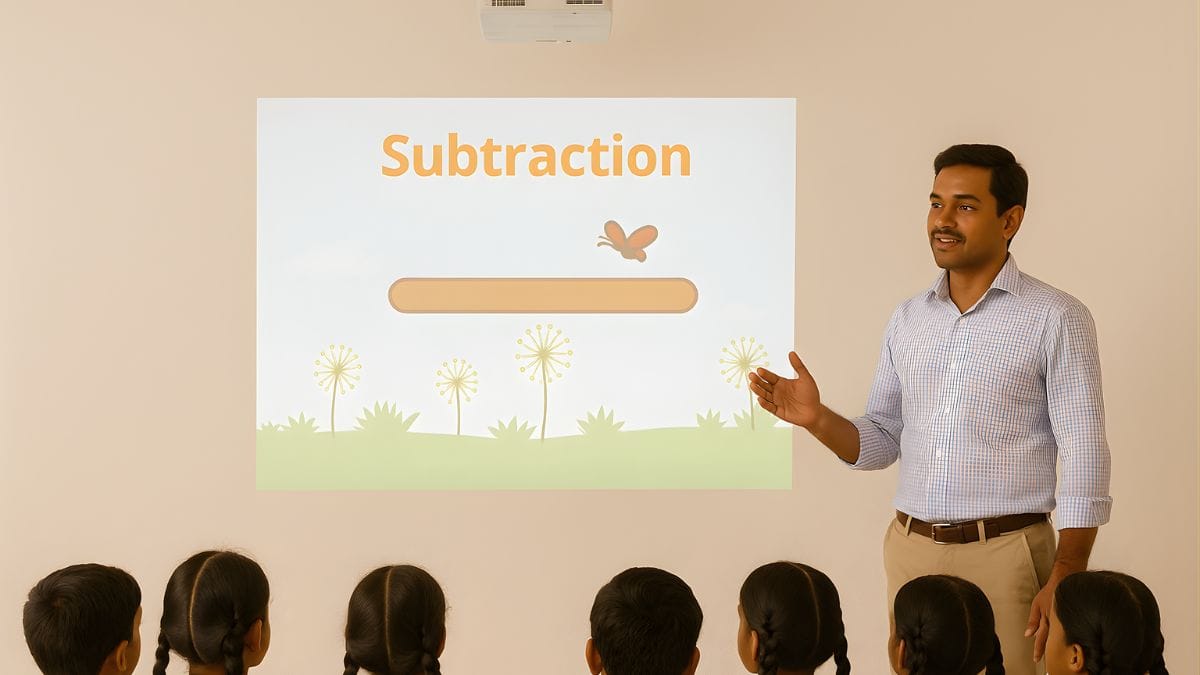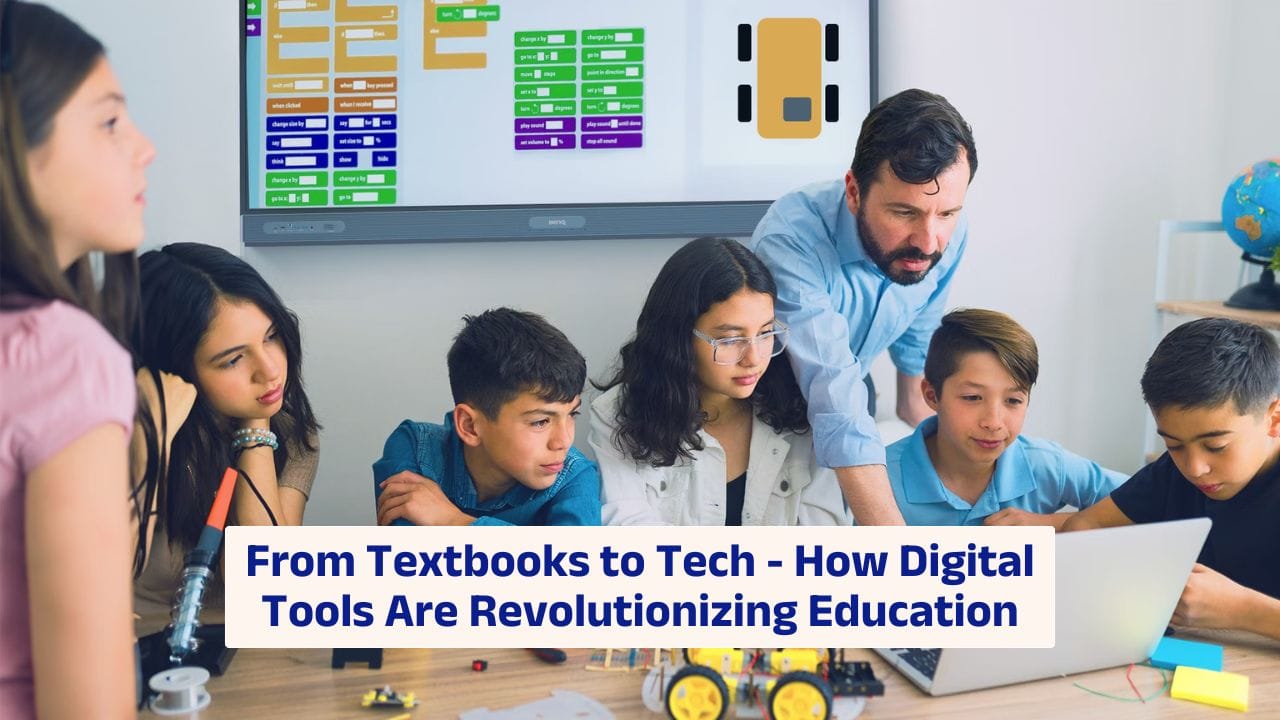
The way we learn has changed dramatically. Remember the days of carrying heavy textbooks and scribbling notes in the margins? Those days are slowly fading. Today, we’re in the middle of a digital revolution, where tablets replace notebooks and online platforms take the place of chalkboards. From primary schools to universities, education is going digital – and it’s happening fast.
In this article, we’ll look into how education is transforming through technology, what it means for students and teachers, and where it might be heading next.
Evolution
Education didn’t always look like this. Just a couple of decades ago, classrooms relied solely on physical materials – textbooks, blackboards, and paper assignments. Fast-forward to now, and digital learning tools are becoming the norm. This shift didn’t happen overnight. It was driven by the rise of the internet, smartphones, and most recently, the global pandemic that pushed schools to adopt online learning almost overnight.
What started as a temporary solution has now become a permanent fixture. Schools and colleges are integrating learning management systems (LMS), interactive whiteboards, e-books, and virtual classrooms into their everyday teaching.
Platforms
There’s no shortage of tech platforms changing how we learn. Google Classroom, Zoom, and Microsoft Teams became household names during the pandemic. But now, platforms like Coursera, Khan Academy, and Duolingo are helping people learn anytime, anywhere. These aren’t just helpful for students in school – they’re also empowering adult learners and professionals to gain new skills on their own time.
Here’s a quick comparison of popular platforms:
| Platform | Best For | Key Features |
|---|---|---|
| Google Classroom | School classrooms | Assignments, grading, calendar |
| Coursera | Higher education, adults | University courses, certificates |
| Duolingo | Language learners | Gamified learning, progress tracking |
| Khan Academy | K-12 students | Free lessons, quizzes, videos |
Benefits
Digital education comes with a ton of perks. For starters, it makes learning more flexible. Students can study at their own pace, revisit lectures, or join classes from anywhere in the world. This is especially useful for people with busy schedules or those who live in remote areas.
It also makes learning more engaging. Interactive videos, quizzes, and games turn boring lectures into something students actually enjoy. And let’s not forget how easy it is to access information. With one search, students can explore thousands of resources that go way beyond what a single textbook can offer.
Challenges
But it’s not all sunshine and Wi-Fi. Digital education has its own set of challenges. Not every student has access to reliable internet or the latest tech gadgets. This digital divide can leave some students behind, especially in low-income or rural areas.
There’s also the issue of screen fatigue. Spending hours in front of a screen can cause eye strain, lower attention spans, and reduce face-to-face interaction. And for teachers, adapting to new technology takes time and training – something many schools aren’t always prepared to provide.

Tools
The digital classroom is powered by a range of tools. From AI-powered tutoring apps to virtual reality simulations, there’s no limit to what tech can do for learning. AI can personalize learning experiences by recommending content based on a student’s pace and performance.
Virtual labs let science students run experiments without needing a physical lab. Even simple tools like digital flashcards or quiz apps can boost memory and retention.
Here are a few popular tools being used today:
| Tool | Function |
|---|---|
| Kahoot! | Live quizzes and games |
| Quizlet | Flashcards and study sets |
| Grammarly | Writing assistance |
| Edmodo | Communication and assignments |
| VR Labs | Simulated science experiments |
Future
So, what’s next for digital education? Expect to see more personalization through AI and machine learning. Learning will become more tailored to individual strengths and weaknesses. We might also see a rise in immersive technologies like augmented reality (AR), where students can explore 3D models or historical sites from their living room.
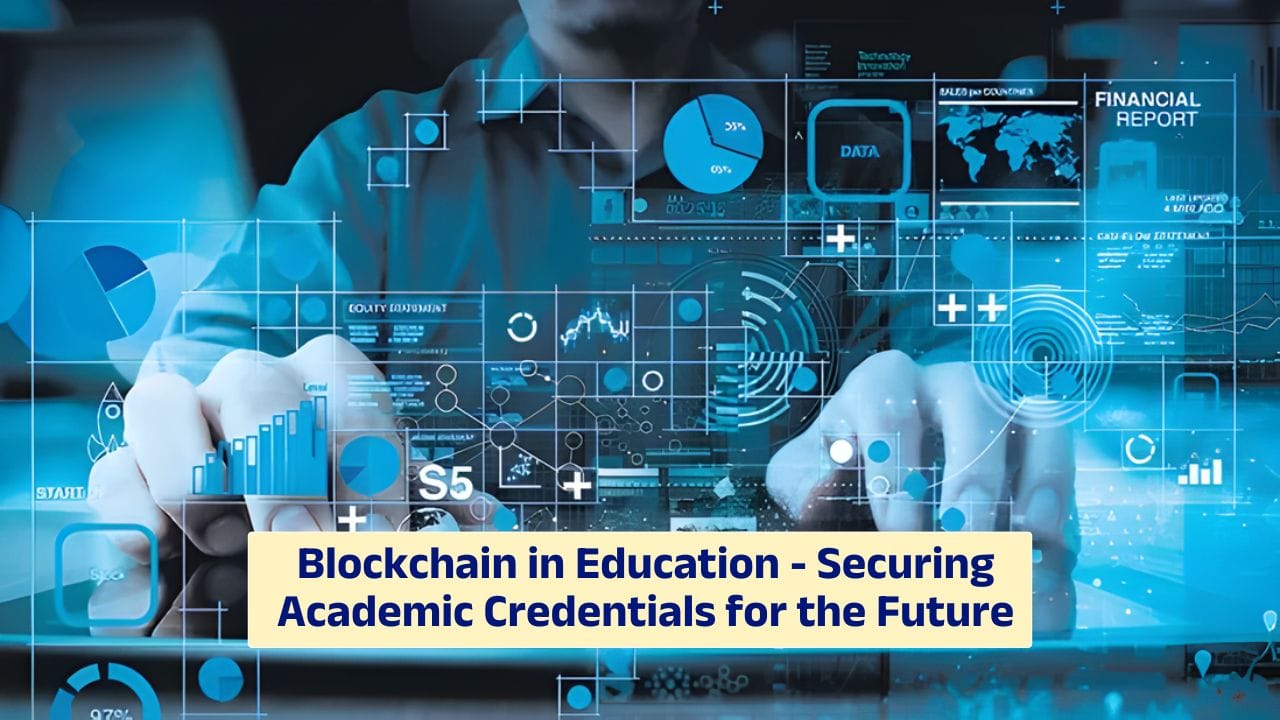
Blockchain might even play a role in verifying certificates and credentials, making academic records secure and tamper-proof. And as 5G and internet access improve globally, more students will be able to access high-quality education, no matter where they live.
The digital transformation of education isn’t just a trend – it’s the new normal. While it won’t completely replace traditional teaching, it’s clear that tech is here to stay.
The key will be finding the right balance between human connection and digital convenience. And as long as we can bridge the gaps in access and training, education has the potential to be more inclusive, personalized, and engaging than ever before.
FAQs
What is digital education?
It’s learning that uses digital tools like apps, videos, or online platforms.
Are tech tools replacing teachers?
No, they support teachers but don’t replace the human role in learning.
What are the top e-learning platforms?
Popular ones include Google Classroom, Coursera, and Khan Academy.
Is online learning more effective?
It can be, especially when it’s interactive and well-structured.
What are the downsides of digital education?
Screen fatigue, lack of access, and less face-to-face interaction.