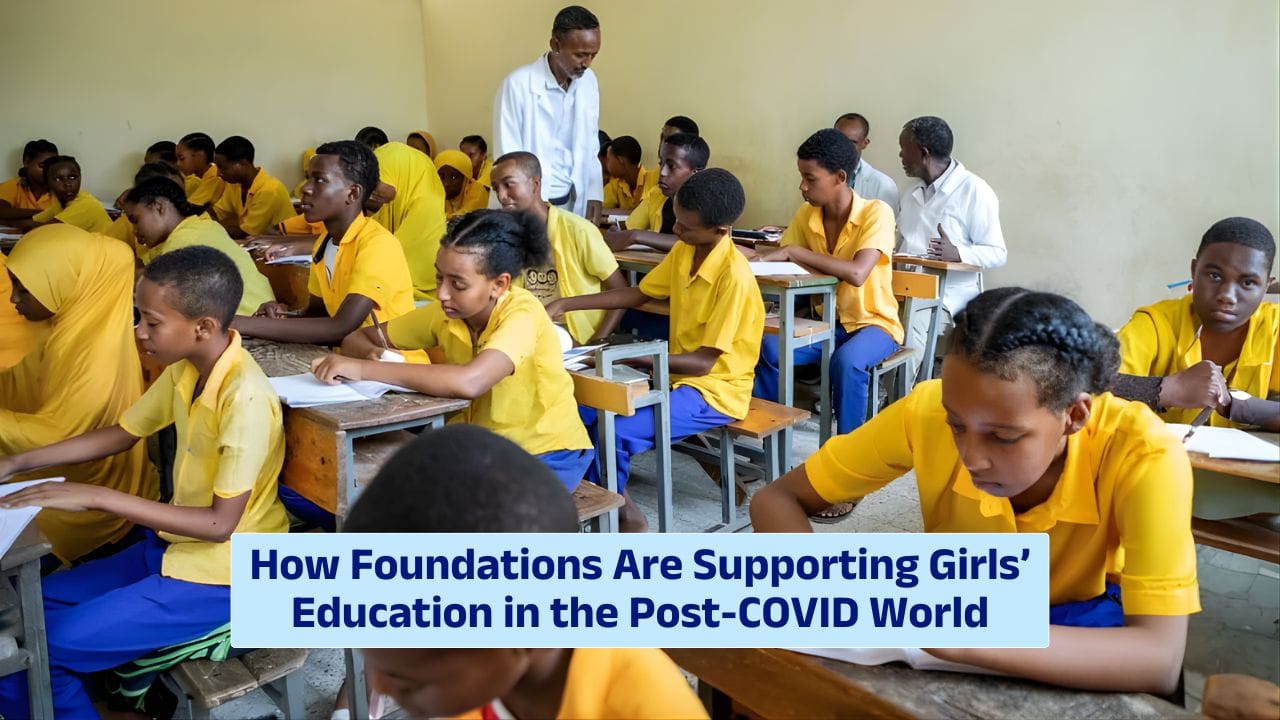
When the COVID-19 pandemic hit, millions of girls around the world had to put their education on pause. In many developing regions, that pause became permanent. Schools closed, households faced financial pressures, and girls were often the first to be pulled out of class.
But not all hope was lost. Across the globe, various foundations stepped in to keep the dream of education alive for these girls—and the impact has been inspiring.
Setback
Let’s start with the reality. The pandemic caused one of the largest disruptions in global education in history. For girls, the setback was even worse. In many cultures, girls are still expected to handle domestic duties or get married young, especially when families struggle financially.
According to UNESCO, over 11 million girls were at risk of not returning to school post-pandemic. That’s not just a loss of education; it’s a blow to gender equality, economic development, and community growth.
Barriers
The challenges girls faced weren’t just about schools being shut. There were deeper, long-standing barriers that became more visible during the crisis. These included poverty, gender discrimination, early marriage, lack of internet access, and unsafe learning environments.
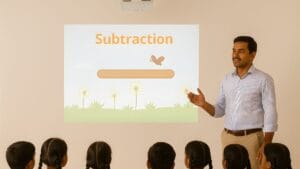
Without regular classes, many girls lost touch with their teachers and peer groups. Learning stopped. Confidence dropped. And once a girl falls behind in education, it becomes even harder for her to catch up—unless someone intervenes.
Support
That’s where foundations came in. Organizations like Malala Fund, CARE, Room to Read, Plan International, and many others started working harder than ever to ensure girls stayed connected to learning. Some provided mobile learning kits. Others launched radio lessons, offline classes, and phone-based tutoring in remote villages.
These foundations focused on more than just academics. They also supported mental health, nutrition, and family awareness to help girls feel safe and motivated to return to school.
Technology
Many foundations realized that digital access was the key to bridging the education gap. With schools closed and online classes becoming the norm, access to a phone or tablet made a huge difference.
Programs were created to distribute devices, offer data plans, and train girls (and their parents) on how to use educational apps. Radio schools and TV classrooms became the new normal in areas where the internet was weak or unavailable.

Here’s how various learning formats played a role:
| Learning Format | Use in Remote Areas | Provided By |
|---|---|---|
| Mobile apps | Yes, where devices exist | NGOs, EdTech partners |
| Radio programs | Widely used | Foundations, governments |
| TV lessons | Urban and rural reach | Public broadcasters |
| Phone tutoring | Personalized support | Local volunteers, NGOs |
Empowerment
Beyond schoolbooks, these foundations also worked to change mindsets. They ran campaigns encouraging families to prioritize girls’ education, even in tough times. They offered scholarships and cash incentives to help reduce the financial burden on poor households.
Some trained local women as educators and role models. Others created safe spaces—both physical and online—where girls could talk, learn, and rebuild confidence.
Partnerships
Foundations didn’t do it alone. They worked closely with governments, schools, community leaders, and local NGOs to reach the hardest-hit areas. Collaboration made it possible to stretch resources, avoid duplication, and scale up faster.
In many places, local teachers and volunteers became the lifeline for girls’ education. With the right support, they helped track dropouts, follow up with families, and create learning circles.

Future
So, what’s next? The pandemic showed just how fragile the education system can be for girls—but it also proved how powerful community-driven solutions can be. Foundations are now shifting from emergency relief to long-term recovery.
They’re investing in resilient education models that blend online and offline methods, provide economic support for families, and empower girls to be part of the solution. The goal is not just to get girls back in school, but to help them stay, thrive, and lead.
Girls everywhere deserve the chance to write their own future. Thanks to the efforts of these foundations, millions of them still can.
FAQs
Why did girls drop out after COVID-19?
Financial strain, early marriage, and lack of access to learning.
Which foundations helped girls’ education?
Groups like Malala Fund, CARE, and Room to Read.
How did girls learn without internet?
Through radio, TV, offline kits, and phone tutoring.
What support do families get?
Scholarships, devices, food aid, and awareness programs.
Are these efforts still ongoing?
Yes, foundations now focus on long-term recovery.