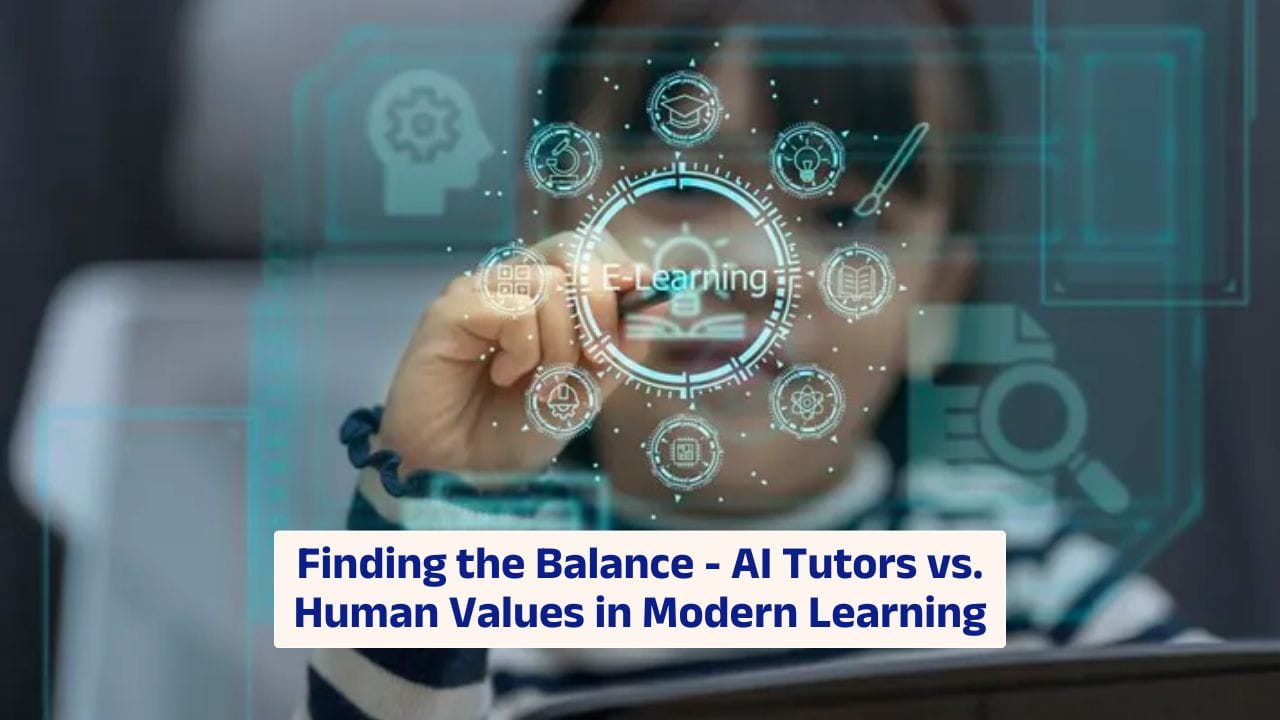
As technology keeps evolving, so does the way we learn. One of the most exciting—and controversial—developments in education today is the rise of AI tutors. These smart tools can explain complex topics, personalize learning paths, and even offer instant feedback.
But here’s the catch: while AI brings speed and efficiency, can it truly understand human values like empathy, ethics, or cultural sensitivity? That’s the real question we need to explore.
In this article, we’re diving into the growing role of AI in education, the importance of human values, and how we can strike the right balance between the two. Ready to look into this evolving classroom dynamic?
Learning
AI tutors are changing the way students learn. Traditional education follows a one-size-fits-all approach, but AI offers a tailored learning experience. For example, an AI tutor can analyze a student’s strengths and weaknesses, then adapt lessons to suit their learning style. Struggling in math? The AI can slow things down. Excelling in science? It’ll ramp things up.
This level of personalization has the potential to revolutionize education, making learning more engaging and less frustrating. Plus, AI is available 24/7, which means students can learn at their own pace, whenever they choose.
Limitations
But despite all the benefits, AI has some serious limitations—especially when it comes to human values. AI doesn’t have emotions. It can’t detect subtle changes in a student’s tone or body language. If a student is having a bad day or struggling with personal issues, an AI tutor won’t pick up on that.
There’s also the issue of moral judgment. Imagine a student asking for help on an ethical dilemma. A human teacher can guide them through it using wisdom, experience, and empathy. AI, on the other hand, might just spit out a textbook definition or biased data.
Empathy
Empathy is one area where AI just can’t compete. A human teacher doesn’t just teach—they inspire, motivate, and connect. Remember that one teacher who believed in you even when you didn’t believe in yourself? That connection can shape lives.
AI might be able to deliver facts, but it can’t offer encouragement when a student is feeling down or recognize when someone needs emotional support. That human touch makes all the difference in helping students grow—not just academically, but personally.
Culture
Another critical point is cultural sensitivity. Education isn’t just about books; it’s about understanding different perspectives, traditions, and values. Human teachers naturally bring their cultural awareness into the classroom. They adjust examples and conversations to suit the context of their students.

AI, on the other hand, depends entirely on the data it’s trained on. If that data lacks diversity or includes cultural biases, the AI might unintentionally reinforce stereotypes. That’s a major concern in diverse classrooms around the world.
Ethics
Let’s not forget about ethics. When students interact with AI, data is collected—lots of it. That raises questions: Who owns this data? How is it used? Is student privacy protected?
A human teacher builds trust over time. AI needs strict ethical guidelines and oversight to ensure it doesn’t misuse sensitive information. If that trust is broken, it could seriously harm students, both academically and emotionally.
Here’s a quick comparison to highlight the differences:
| Feature | AI Tutor | Human Teacher |
|---|---|---|
| Availability | 24/7 | Limited to working hours |
| Personalization | High (data-driven) | Moderate (experience-based) |
| Emotional Support | None | High |
| Cultural Awareness | Depends on training data | Naturally adaptive |
| Ethical Judgment | Algorithm-based, limited | Human values, nuanced judgment |
Balance
So, how do we strike the right balance? Simple: use AI to assist, not replace. Think of AI as a co-pilot in the learning journey. It can handle the routine stuff—quizzes, grammar checks, practice problems—so teachers can focus on the human side of teaching.
By blending AI efficiency with human empathy, we can create an educational experience that’s both smart and soulful. But we need to be intentional. Schools must train teachers to work with AI, not against it. And developers need to design AI systems that respect privacy, avoid bias, and support—not overshadow—human connection.
At the end of the day, education isn’t just about knowledge. It’s about shaping people. And that still requires the human touch.
FAQs
What is an AI tutor?
An AI tutor is software that uses artificial intelligence to help students learn.
Can AI replace human teachers?
AI can support teachers but not fully replace human connection and empathy.
How does AI personalize learning?
It adjusts lessons based on a student’s performance and learning style.
Is AI in education ethical?
Only if strict data privacy and fairness guidelines are followed.
Why are human values important in learning?
They help students grow emotionally, ethically, and socially.