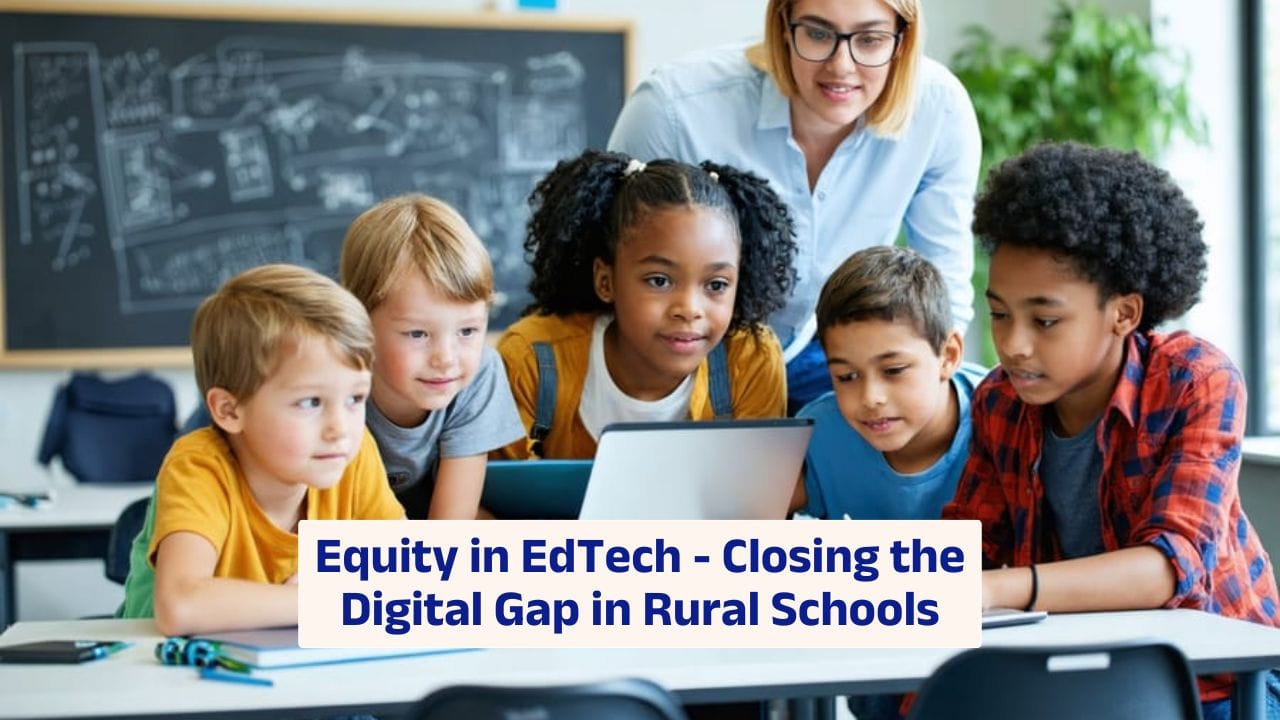
Access to quality education shouldn’t depend on your zip code—but for many students in rural areas, it still does. Technology has the power to change that. EdTech, short for education technology, is reshaping how students learn across the globe.
But for it to be truly transformative, it needs to reach every student, regardless of geography. That’s where the idea of equity in EdTech comes in. Let’s break down how it works, the challenges rural areas face, and how we can level the digital playing field.
Access
The first and most obvious barrier in rural education is access. While urban schools often have the latest gadgets and high-speed internet, many rural schools still struggle with basic connectivity. Some don’t even have reliable broadband. Students may have to drive miles to get Wi-Fi or rely on mobile hotspots that aren’t strong enough for video calls or digital lessons.
Here’s a snapshot of the internet access gap in rural vs urban areas:
| Area | Households with High-Speed Internet |
|---|---|
| Urban | 94% |
| Suburban | 89% |
| Rural | 67% |
That 67%? It means one-third of rural homes don’t have the internet speeds needed for digital learning. No wonder students are falling behind—not because they lack potential, but because they lack connection.
Devices
Even when internet is available, there’s another problem: devices. A single family computer or outdated tablet isn’t enough when three kids are trying to learn online at the same time. Some schools have started issuing Chromebooks or tablets, but that’s still a long shot in underfunded rural districts.
Equity here means more than just having a device—it means having the right devices that work with educational platforms, run software smoothly, and support real learning. Outdated tech can be just as much of a barrier as no tech at all.
Training
Let’s not forget the human side of EdTech. Teachers in rural schools often don’t get the training they need to use digital tools effectively. Unlike big-city districts with EdTech departments and full-time IT staff, rural teachers are often left to figure it out on their own.
Imagine being handed a new software tool mid-semester with no instructions. Now imagine you’re also teaching five different subjects and coaching the basketball team. That’s the reality in many small schools. Without proper support, even the best EdTech tools go unused or misused.
Content
Here’s a question: Is the digital content designed for all students? A lot of EdTech platforms assume students live in tech-rich environments. They don’t always consider bandwidth issues, low literacy levels, or cultural relevance.

For EdTech to be truly equitable, the content needs to work offline, be easy to navigate, and reflect the diversity of students using it. Rural kids deserve content that feels relevant and engaging—not just recycled lessons designed for urban classrooms.
Support
Tech breaks. Wi-Fi drops. Platforms glitch. In big schools, there’s usually someone to fix it. In rural schools? Not always. Many schools rely on a single IT coordinator—sometimes a teacher moonlighting as tech support.
Equity means having the infrastructure to keep tech running. That includes troubleshooting, updates, and maintenance. It’s not just about handing out devices; it’s about making sure they actually work when students and teachers need them.
Solutions
So how do we close the gap? There’s no silver bullet, but a few smart moves can go a long way.
- Public-private partnerships: Tech companies teaming up with schools to provide devices and connectivity at lower costs.
- State and federal funding: Programs like the FCC’s Emergency Connectivity Fund help, but more consistent funding is needed.
- Community Wi-Fi: Libraries, churches, and community centers can act as local hubs for internet access.
- Offline learning: Tools that don’t require real-time connectivity can bridge gaps when broadband isn’t available.
- Teacher training: Ongoing professional development ensures tech doesn’t just sit on the shelf.
Future
The digital divide isn’t just a tech issue—it’s an equity issue. If we want every student to thrive in the 21st century, we need to make sure rural schools aren’t left behind. That means thinking beyond devices and bandwidth. It means investing in people, content, support systems, and long-term sustainability.
EdTech holds massive potential to level the educational playing field. But it won’t do that unless we make equity the focus—not the afterthought. Rural kids are just as curious, capable, and creative as their urban peers. With the right tools, they can go just as far.
FAQs
What is equity in EdTech?
It means equal access to digital learning tools for all students.
Why is rural EdTech access limited?
Due to poor internet, fewer devices, and lack of support.
Can EdTech work without internet?
Yes, offline tools and apps can bridge that gap.
What’s a quick fix for rural internet?
Community Wi-Fi and mobile hotspots can help short term.
How can teachers get tech training?
Online PD programs and local workshops offer support.