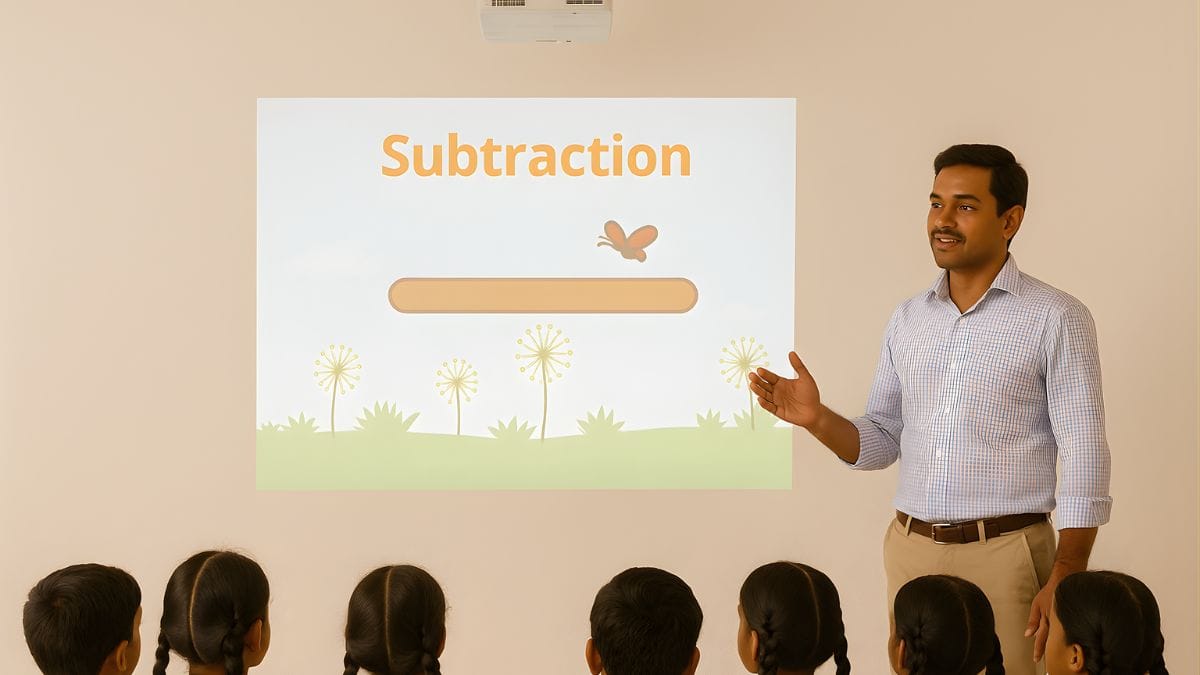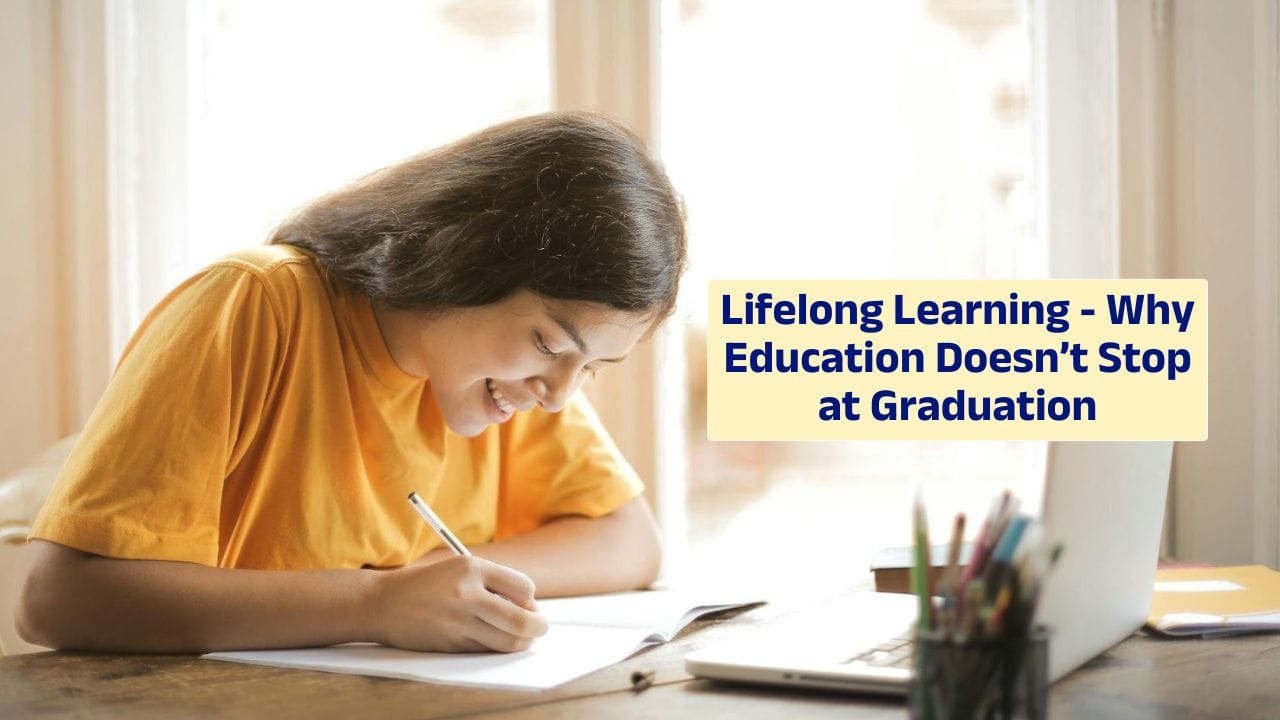
Think back to your last day of school. Did you feel like learning was over? That now, without homework or lectures, you were finally done? A lot of people do. But the truth is, education doesn’t end with a diploma or degree. In fact, that’s just the beginning. In today’s fast-changing world, becoming a lifelong learner isn’t optional—it’s essential.
Lifelong learning is all about curiosity, growth, and adapting. Whether you’re switching careers, raising kids, or just chasing a personal interest, learning continues throughout life. It’s less about formal classrooms and more about developing a mindset that craves improvement and embraces change.
Mindset
To become a lifelong learner, you need the right mindset. This doesn’t mean you have to study every day or enroll in endless courses. It simply means staying open to new ideas, being willing to change your perspective, and treating every challenge as a learning opportunity.
People with a growth mindset believe skills can be developed with effort and time. They don’t say, “I’m bad at this.” They ask, “How can I get better?” That shift in thinking is the foundation for learning that lasts beyond school walls.
Careers
Jobs are evolving—fast. The tools you learned in college may be outdated within five years. New industries pop up almost overnight, and digital skills are becoming basic requirements. That’s why lifelong learning is your best job security.
Whether it’s learning to use new software, taking online certifications, or reading industry trends, staying up-to-date helps you stay employable. Employers now look for people who don’t just meet the job description but who are adaptable and eager to grow.
Here’s a quick comparison:
| Attribute | Fixed Skill Set | Lifelong Learner |
|---|---|---|
| Career progression | Slows over time | Constant growth |
| Reaction to change | Resists it | Embraces it |
| Value to employers | Limited | Long-term asset |
| Learning method | Formal education | Ongoing, self-driven |
Technology
Technology is changing not just how we work, but how we learn. Online platforms, podcasts, virtual workshops, and apps put knowledge right in our pockets. You can learn a new language during your commute or study coding from your couch.
Tech also makes learning more flexible. You’re no longer tied to schedules or classrooms. This flexibility empowers adults to upskill or reskill without putting their lives on pause. Whether it’s YouTube tutorials or digital universities, education is now accessible to anyone, anywhere.
Passion
Lifelong learning isn’t always about work. Sometimes, it’s just for the love of it. Maybe you’ve always wanted to learn to play an instrument, start a garden, or cook a new cuisine. Learning for passion adds joy, purpose, and creativity to your life.
This kind of learning often leads to surprising opportunities too. Hobbies can become side gigs. Personal projects can turn into businesses. Or, at the very least, they keep your brain active and your curiosity alive.
Health
Believe it or not, learning is good for your health. Mental stimulation helps keep the brain sharp, especially as we age. Studies have shown that continued learning reduces the risk of cognitive decline and supports emotional well-being.
When you challenge your brain with new skills or ideas, it forms new neural connections. It’s like exercise for your mind. And just like physical fitness, mental fitness needs regular workouts.
Community
Lifelong learning can also build stronger communities. Book clubs, workshops, evening classes, and community centers bring people together to share knowledge and support each other’s growth. Learning connects us.
When we share our skills or volunteer to teach others, we also give back. A society that values learning at every stage becomes more informed, inclusive, and resilient.
Education doesn’t stop when you throw your graduation cap in the air. It’s a lifelong journey powered by curiosity, purpose, and the need to keep growing in a world that never stands still. Whether you’re learning to adapt, to advance, or just to enjoy, remember—learning isn’t a phase. It’s a lifestyle.
FAQs
What is lifelong learning?
It’s continuous learning beyond school or college.
Why is it important for careers?
It helps you stay current and adaptable at work.
Can hobbies be part of learning?
Yes, personal interests are great ways to keep learning.
Does learning improve brain health?
Yes, it keeps your brain sharp and reduces decline.
Is formal education required?
No, learning can happen through many informal methods.