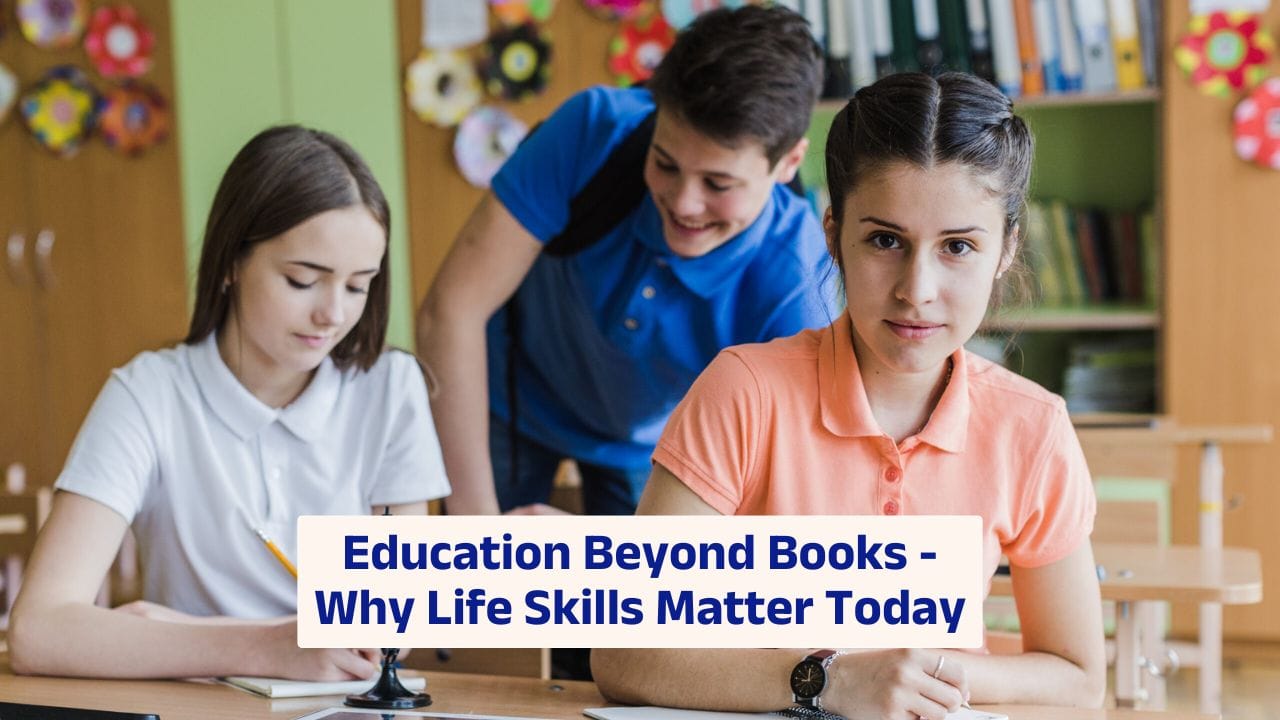
In today’s fast-moving world, knowing how to solve algebra problems or memorize historical dates might help you pass exams—but does it prepare you for life? Probably not entirely. That’s where life skills come into play.
These are the everyday abilities that help people navigate the real world—like managing money, communicating clearly, or even handling stress. While traditional education focuses heavily on academic content, it often leaves a gap when it comes to practical, real-life readiness. Let’s cut into why life skills are no longer optional—they’re essential.
Relevance
Think about this: when was the last time you used the Pythagorean theorem? Now, how often do you need to manage your budget, cook a meal, or talk your way through a tricky conversation? That’s the difference. Life skills have direct, daily applications. They help you function as an independent adult. Education systems that ignore this area risk sending young people into the world underprepared.
In contrast, life skills empower students to apply their knowledge in practical settings, giving them confidence to face everyday challenges. From navigating job interviews to understanding health insurance, these are the tools people actually use.
Variety
Life skills cover a wide range of abilities. These aren’t just limited to doing laundry or cooking pasta. They include emotional intelligence, time management, decision-making, and even digital literacy. Let’s break it down with a simple table:
| Skill Category | Examples |
|---|---|
| Personal Management | Budgeting, time management |
| Emotional Intelligence | Stress handling, empathy |
| Communication | Public speaking, active listening |
| Practical Skills | Cooking, basic home repair |
| Digital Skills | Online safety, email etiquette |
See how broad that is? And all of these skills are necessary at different stages of life.
Education
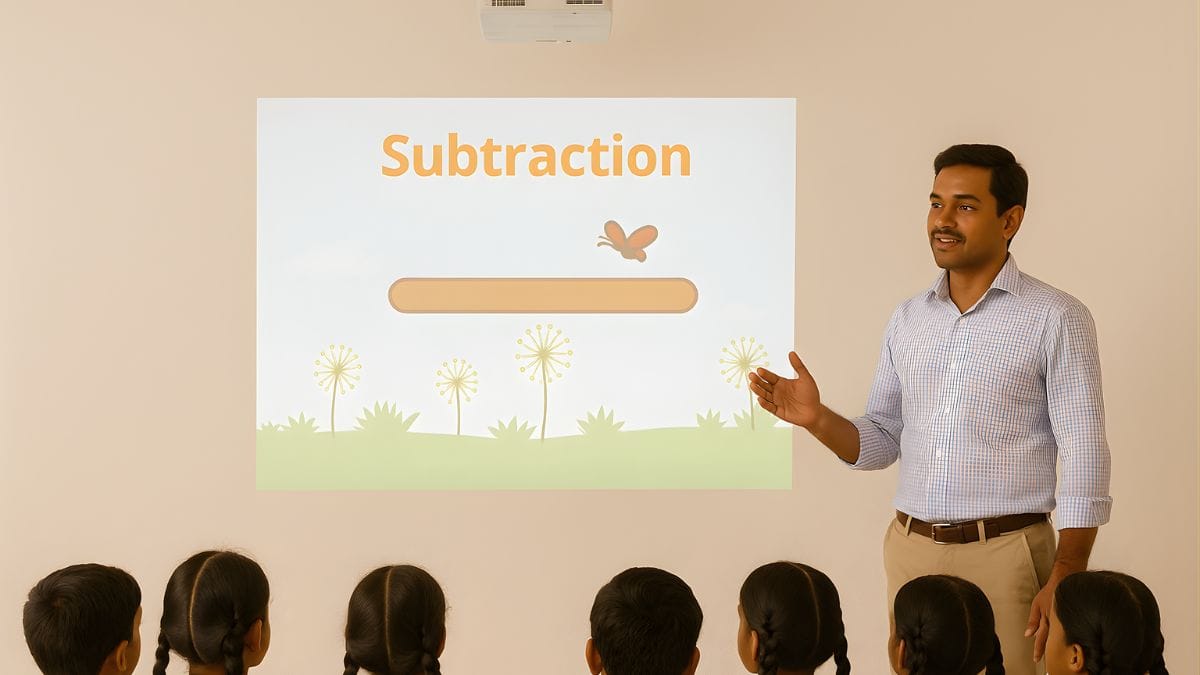
Here’s the problem: most school curriculums are packed with theory. They focus on test scores, memorization, and standardized assessments. Life skills? Often left as an afterthought or offered as optional courses—if at all. But shouldn’t knowing how to file taxes or manage mental health be just as important as passing math?
Some countries are slowly catching on. Finland, for example, has started integrating life skills into everyday learning. Instead of separating subjects, they’re blending academic and practical knowledge. That’s a smart move—because learning how to apply knowledge is just as important as the knowledge itself.
Employment
Employers today aren’t just looking for people with degrees. They want team players, problem solvers, and strong communicators. You can be a top student and still fail to land a job if you don’t know how to present yourself, collaborate with others, or manage your time.
Life skills can be the bridge between education and employment. They boost employability, helping young adults hit the ground running in the workforce. In fact, a study by LinkedIn revealed that soft skills are often more in demand than technical skills. Think about that—being emotionally intelligent might matter more than your GPA.
Mentality
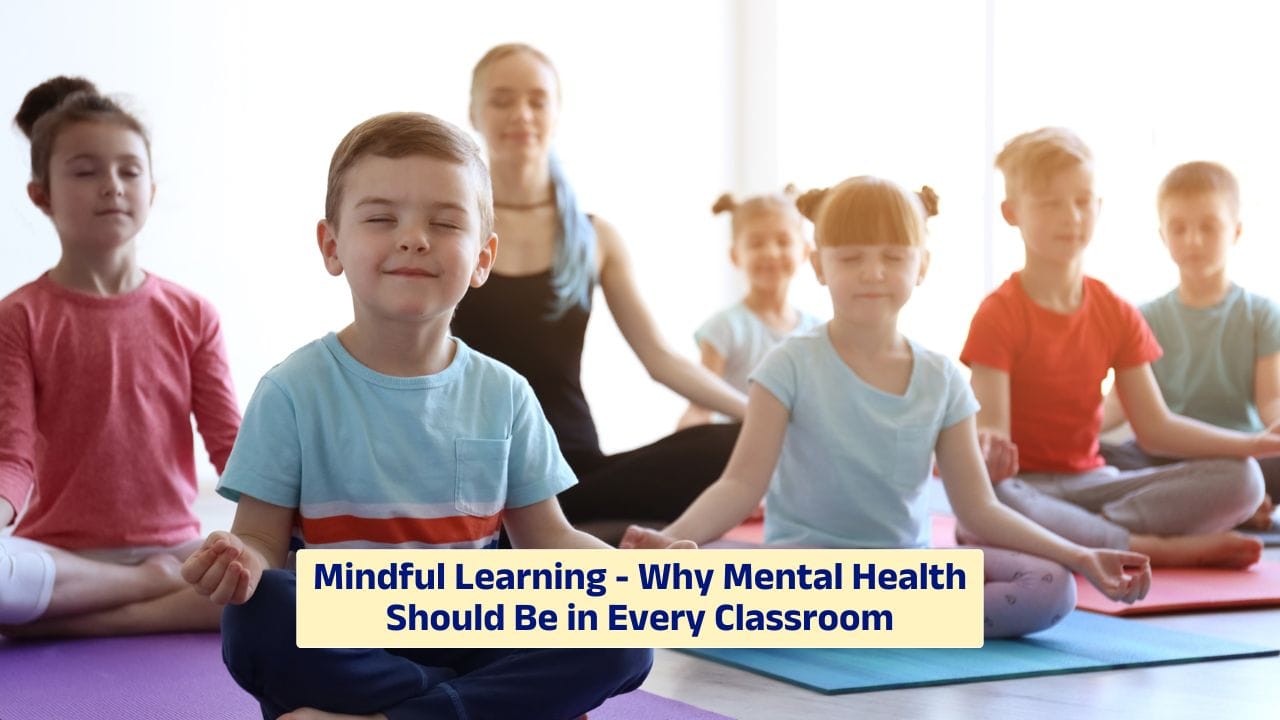
Life skills do more than help you get a job—they shape your mindset. They encourage independence, build resilience, and foster problem-solving. In a world where change is constant and challenges pop up daily, having a flexible and prepared mindset is a superpower.
Schools that teach life skills help students become not just workers, but well-rounded individuals. They learn how to take responsibility, make informed choices, and bounce back from setbacks. That’s powerful preparation for the real world.
Parenting
Parents can play a big role too. While schools may lag in life skill education, homes can serve as practice grounds. Simple chores like budgeting for groceries or managing screen time can be great learning moments. Teaching kids how to handle failure or express emotions can set them up for future success.
The point is, life skills aren’t just the school’s job. They’re a shared responsibility between educators, parents, and communities. And when everyone pitches in, young people thrive.
Technology
With all the tech in our lives, digital life skills are more important than ever. From avoiding online scams to using social media responsibly, young people need guidance in this area. It’s not just about knowing how to use tech—it’s about knowing how to use it wisely.
Digital citizenship, privacy awareness, and critical thinking online are all part of the modern life skillset. The internet is powerful, but without the right skills, it can be risky. That’s why digital literacy should be taught just like reading and math.
Life skills aren’t just helpful—they’re essential. They fill the gaps left by traditional education and prepare people for real challenges. Whether it’s managing money, staying calm under pressure, or navigating a digital world, life skills make the difference between surviving and thriving. It’s time we treat them as core parts of education, not side lessons. Because the world isn’t made of textbooks—it’s made of experiences.
FAQs
What are key life skills today?
Time management, budgeting, and communication top the list.
Why aren’t life skills taught more?
Traditional education still favors academic subjects over real-life prep.
Can parents teach life skills too?
Yes, daily tasks at home are perfect for life skill practice.
Do life skills help with jobs?
Absolutely, soft skills like teamwork are in high demand.
Is digital literacy a life skill?
Yes, using tech safely and wisely is crucial today.