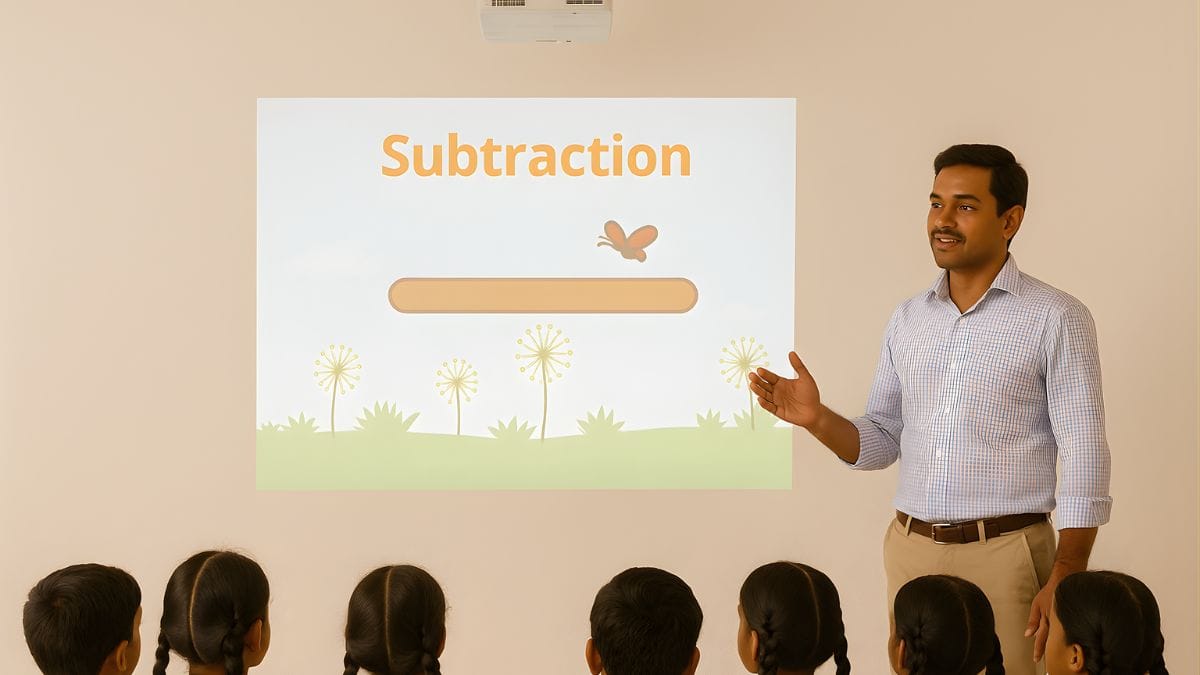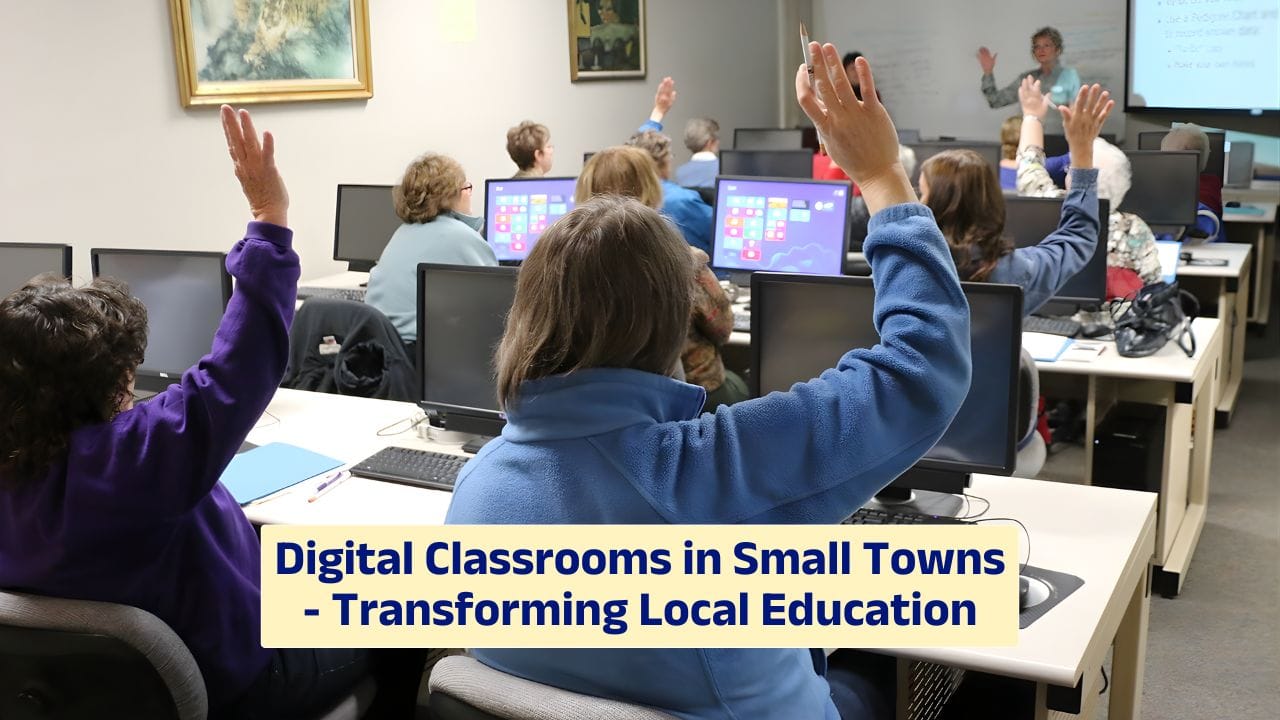
Imagine a classroom where students from a small town can connect with world-class educators, access up-to-date study materials, and look into the interactive lessons—all from their local school. That’s not a futuristic dream anymore.
With digital classrooms making their way into small towns, education is finally becoming more inclusive and empowering. Let’s break down how this new era is changing the way students learn in smaller communities and why it’s such a big deal.
Revolution
Small towns have long faced educational roadblocks. Limited resources, fewer qualified teachers, and outdated materials have made it tough for students to keep up with their urban counterparts. But now, digital classrooms are flipping that script.
A digital classroom isn’t just a computer in a room. It’s a setup that brings in online courses, virtual labs, video lectures, smart boards, and sometimes even AI tutors. Suddenly, kids in rural areas have access to the same quality of education as those in metro cities. That’s a revolution.
Access
One of the biggest wins of digital classrooms is access. Students no longer have to rely only on their local teachers or outdated books. With a good internet connection and the right tech setup, they can tap into national curriculums, global content, and even interactive modules that make learning fun and practical.
This is especially powerful for subjects like science and math, where visual learning and real-time problem-solving can make a huge difference. Students in small towns can now compete more equally in competitive exams and higher education.
Affordability
Another advantage? Digital classrooms are cost-effective. Setting up a virtual class often costs less in the long run than constantly upgrading traditional infrastructures. Schools can partner with EdTech platforms or use government-supported e-learning programs, cutting down on costs while boosting quality.
Here’s a simple comparison:
| Factor | Traditional Classroom | Digital Classroom |
|---|---|---|
| Setup Cost | High (infrastructure) | Moderate (tech setup) |
| Teaching Resources | Limited | Unlimited (online) |
| Student Reach | Local only | Global/National |
| Learning Flexibility | Low | High |
Engagement
Let’s face it—students often get bored with textbook-only learning. Digital classrooms are more interactive. They include videos, quizzes, animations, and sometimes even games. It’s not just about watching a screen; it’s about engaging with the material.
When learning feels like fun, students stay interested. Plus, many platforms allow them to learn at their own pace. If a concept feels tricky, they can replay videos, try another tutorial, or reach out in online forums. It’s a flexible system that adjusts to the learner.

Training
Of course, tech alone isn’t enough. Teachers in small towns also need to be trained. And that’s happening now. Through online training sessions, workshops, and certification courses, educators are learning how to navigate digital tools and teach more effectively in this new format.
When teachers grow, students grow with them. And as more teachers become digitally fluent, the quality of education in small towns naturally improves.
Challenges
Digital classrooms are powerful, but they’re not perfect. Many small towns still struggle with unstable internet, lack of devices, and power cuts. Not all families can afford smartphones or laptops, and not all schools have smartboards yet.
Also, some students miss the emotional connection of traditional classrooms. Technology can’t fully replace face-to-face interaction. So, a balanced hybrid approach might work better for some regions—blending online tools with offline support.
Future
The potential here is massive. Imagine if every child in a small town had access to live classes with top educators, AI that tracks their learning progress, and personalized feedback that helps them grow faster. That’s where we’re headed.

Governments, NGOs, and private companies are already investing in digital infrastructure, teacher training, and affordable tech for rural areas. It might take a few more years, but the foundation is being laid now.
Small towns are stepping into a digital learning era—and that’s a game-changer. Education is becoming more equal, more engaging, and more efficient. With the right support and mindset, digital classrooms can unlock talent from the most unexpected corners of the country. Who knows, the next tech genius or Nobel winner might just be sitting in a smart classroom in a quiet village somewhere.
FAQs
What is a digital classroom?
It’s a tech-enabled classroom using online tools and content.
Are digital classrooms expensive?
They’re often cheaper long-term than traditional setups.
Do rural students benefit from e-learning?
Yes, it increases access and improves learning quality.
Can teachers adapt to digital tools?
Yes, with training and support, most can adapt well.
Is internet necessary for smart classes?
Yes, a stable connection is essential for digital learning.