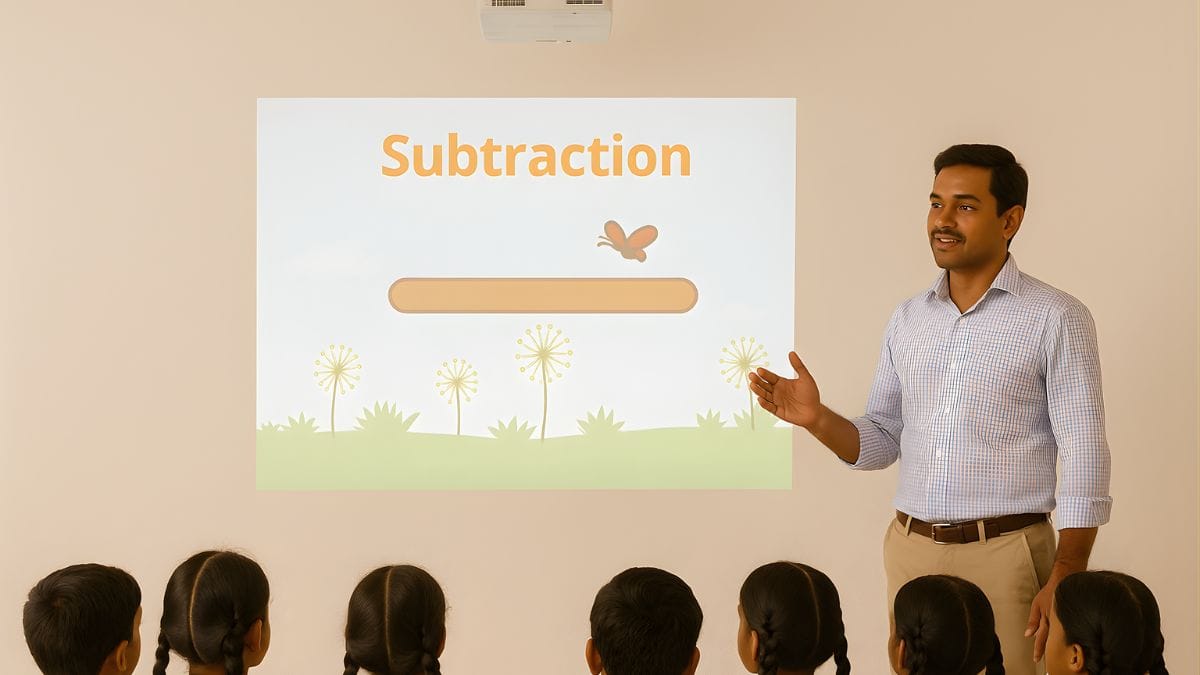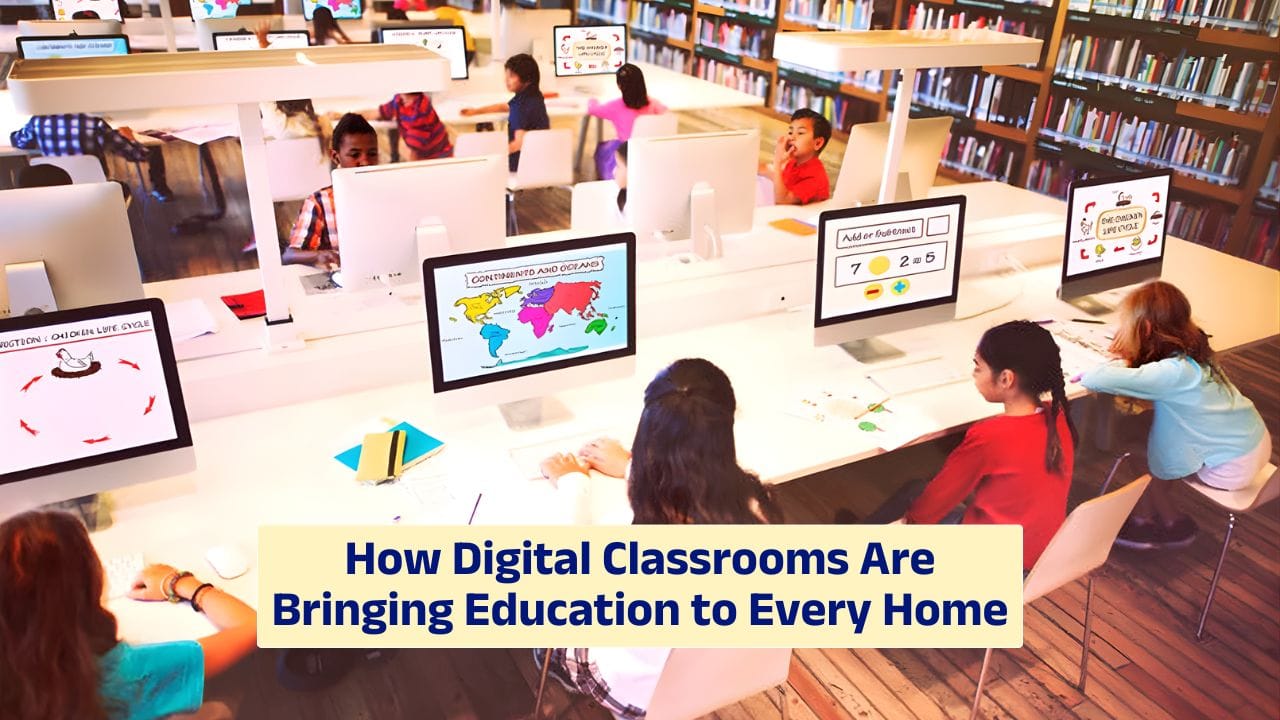
Education in 2025 looks nothing like it did a decade ago. The walls of a classroom no longer define where or how we learn. Thanks to the digital classroom revolution, education is now a click away for millions around the globe.
Whether you’re in a city apartment or a rural village, learning opportunities are more accessible than ever. This shift isn’t just about using laptops or apps—it’s about making education truly borderless, personalized, and inclusive.
Access
The most significant win from the digital classroom revolution? Access. Back in the day, students had to live near a school or be physically present to learn. Today, anyone with an internet connection can join a virtual class, download a lesson plan, or connect with a tutor from across the world.
Governments and private companies are rolling out low-cost tablets, community Wi-Fi hubs, and offline learning modules to bridge the digital divide. From underserved regions in Africa to remote parts of Canada, digital tools are leveling the playing field.
Platforms
There’s no shortage of learning platforms in 2025. But what’s impressive is how smart they’ve become. Most are powered by AI, adapting to a student’s pace and learning style. No more one-size-fits-all approach. Now, lessons shift in real-time based on performance, attention span, and even emotional feedback.
Popular platforms include:
| Platform Name | Key Feature | User Base (2025) |
|---|---|---|
| LearnSphere | Adaptive AI learning | Global, K-12 and college |
| ClassLoop | Live tutor access + assignments | Remote high schools |
| EdNova | Multilingual content | International students |
| SkillGrid | Career & tech training | Adults and professionals |
| KidWise Academy | Gamified lessons for kids | Ages 5–12 |
These platforms are user-friendly, mobile-compatible, and often come with parental dashboards so families can stay in the loop.
Teachers
One myth that digital learning tried to bust early on: that teachers would become irrelevant. That couldn’t be further from the truth. In fact, teachers are more essential than ever—but their roles are changing.
Instead of being the sole source of knowledge, teachers are now facilitators, mentors, and content curators. They manage virtual classrooms, personalize feedback, and guide students through a sea of online content. Many educators are also becoming content creators, recording lessons, hosting webinars, or running digital boot camps.
Engagement
Let’s be honest—keeping students glued to a screen for hours isn’t easy. That’s why modern digital classrooms are doing more than just streaming lessons. They’re making learning fun, social, and interactive.

Gamification plays a big part. Points, leaderboards, and virtual badges turn lessons into friendly competitions. Students can form online study groups, message teachers instantly, and collaborate on group projects with peers from different continents.
Also, immersive tools like virtual reality (VR) and augmented reality (AR) are bringing subjects like science, history, and geography to life. Imagine walking through ancient Rome or exploring the human body—all from your bedroom.
Inclusion
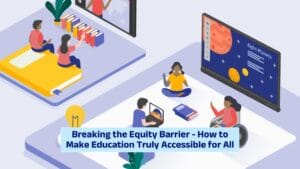
One of the most powerful aspects of the digital revolution is how inclusive it can be. Students with disabilities are benefitting from text-to-speech tools, screen readers, and custom keyboards. Language barriers are breaking down thanks to real-time translation and subtitles.
Education is also becoming more gender-inclusive and culturally sensitive. Lesson plans are being localized, holidays and customs respected, and content tailored to reflect diverse perspectives.
Challenges
Of course, it’s not all smooth sailing. Technical glitches, lack of internet in remote areas, and screen fatigue are real issues. Some students miss the social interaction and structure of a physical classroom. Parents often struggle to manage their child’s screen time or provide consistent support.
Cybersecurity is another concern. With so much student data online, protecting privacy has become a top priority. Thankfully, stronger regulations and encryption tools are now standard in most platforms.
Future
So, what’s next for the digital classroom? Expect even more personalization. Imagine AI tutors that know your learning style better than you do, or virtual classrooms that feel like real ones, with holograms and real-time interaction.
Education is no longer tied to age, location, or schedule. You can learn coding at 12, start a new language at 40, or attend university courses from your couch. The digital classroom has kicked down the old doors—and it’s not looking back.
This revolution isn’t just about convenience. It’s about making learning fair, flexible, and future-ready. And the best part? It’s only getting started.
FAQs
What is a digital classroom?
A digital classroom uses online tools to teach and learn remotely.
Can kids learn everything online?
Most subjects can be taught online with interactive tools and support.
Do teachers still play a role?
Yes, they guide, support, and personalize the learning experience.
Is digital learning accessible to all?
Access is growing, especially with government and private support.
Are digital classrooms here to stay?
Yes, they are shaping the future of flexible, inclusive learning.