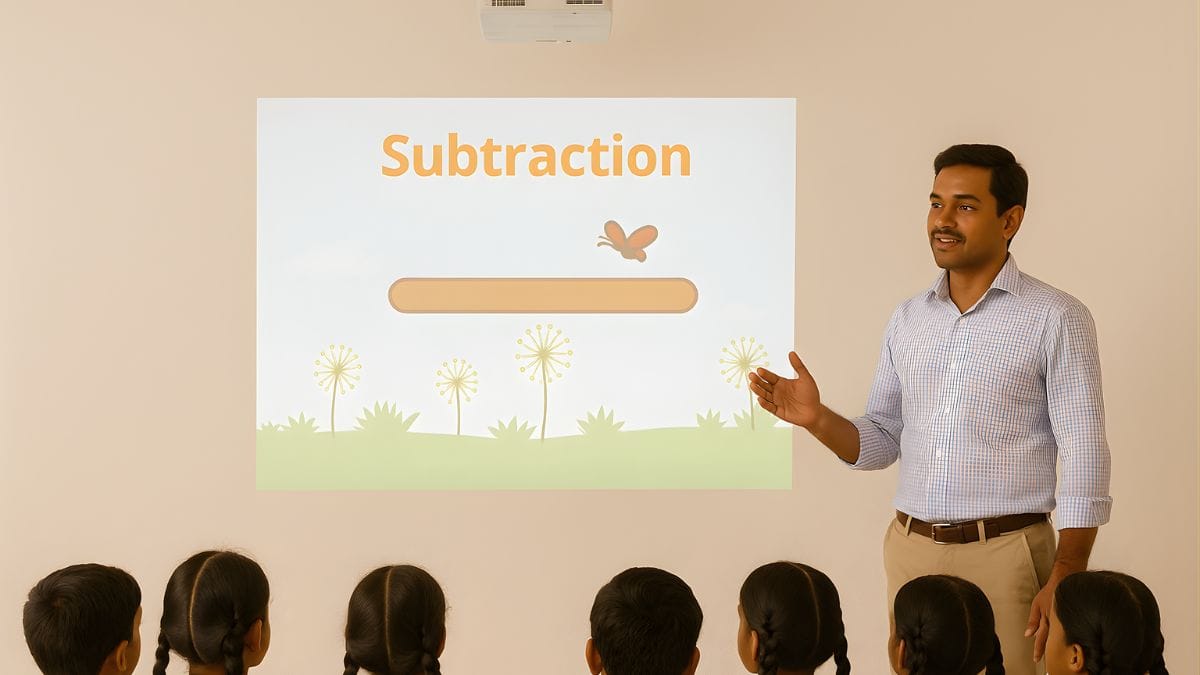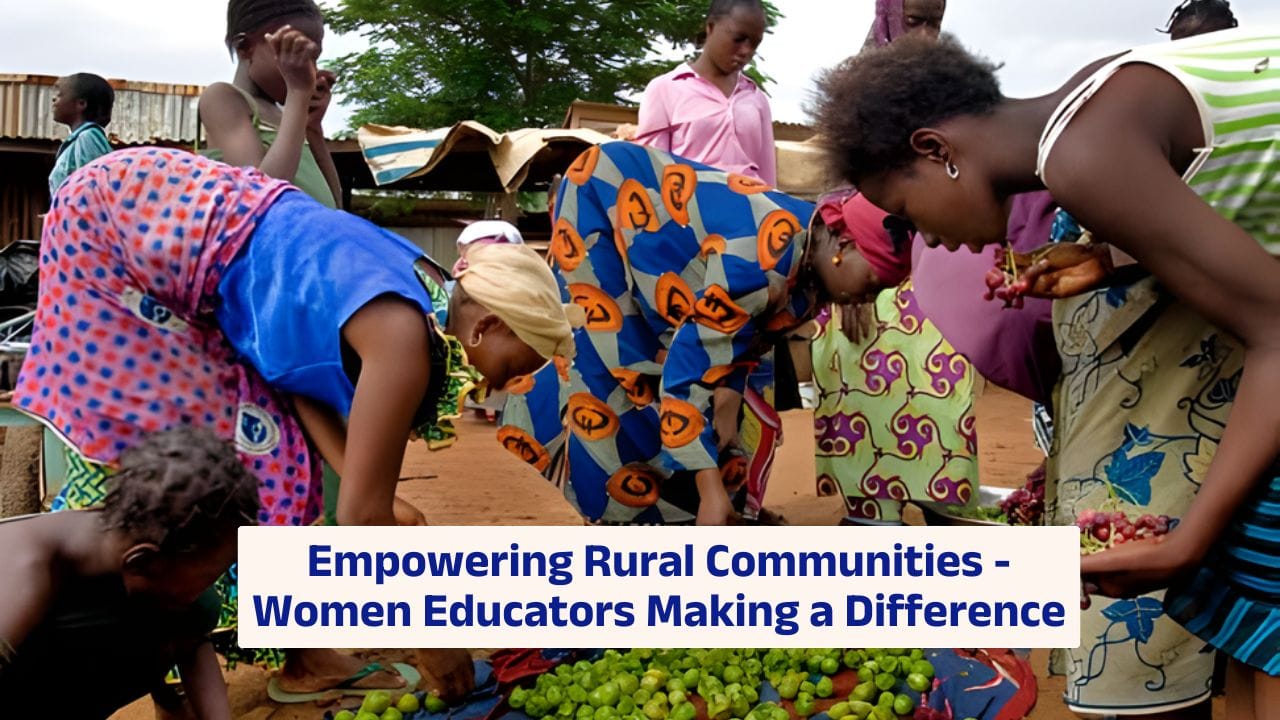
Women educators are quietly transforming rural communities—one student, one family, and one village at a time. While their efforts often go unnoticed in headlines, their impact runs deep. These women are more than teachers.
They are mentors, community leaders, and agents of lasting change. Let’s look into how they’re making a powerful difference in places where opportunity can be limited and challenges are many.
Barriers
Rural areas come with their own set of obstacles. Limited infrastructure, scarce resources, and traditional mindsets often make it difficult for women to step into leadership roles. In many places, girls are still encouraged to marry young rather than pursue education. And even when women do become educators, they often face pressure to balance their professional lives with household responsibilities.
But despite these challenges, women educators continue to rise. Many travel long distances on foot or by bicycle just to reach their schools. Some teach in single-room buildings with no electricity. Yet, their commitment never wavers.
Resilience
What sets these women apart is their resilience. They don’t just teach—they innovate. In schools lacking materials, they create lesson plans using whatever’s available. Where there’s no formal curriculum, they adapt content to fit local contexts. Some even start community libraries or after-school programs from their homes.
When the pandemic disrupted education, women educators in rural communities were among the first to adapt. They turned to radio programs, phone calls, or even home visits to keep kids learning. Their ability to pivot and improvise is a testament to their leadership.
Rolemodels
In villages where girls rarely finish school, seeing a woman teacher can change everything. She becomes a symbol of what’s possible. Girls look up to her. Boys learn to respect women in positions of authority. Families begin to value education not just for their sons but also for their daughters.
Over time, this shifts entire mindsets. Girls who once saw education as a dead end begin to dream of becoming teachers, nurses, or entrepreneurs. That ripple effect, sparked by just one educator, can alter the course of a whole community.
Impact
The influence of women educators goes beyond the classroom. They often take on roles as counselors, helping students deal with family issues, early marriage pressures, or mental health challenges. Some get involved in local governance or school boards, using their voices to advocate for better resources and safer environments.
In many rural areas, women teachers are the bridge between the school and the wider community. They lead literacy programs for adults, organize health awareness campaigns, or train mothers in basic nutrition. Their work builds stronger, healthier, and more informed communities.

Here’s a snapshot of how women educators are driving change:
| Area of Impact | Contribution by Women Educators |
|---|---|
| Education Access | Encourage girl child education |
| Health Awareness | Lead hygiene, nutrition sessions |
| Adult Literacy | Run night classes for parents |
| Social Change | Challenge early marriage, stereotypes |
| Economic Upliftment | Mentor women in skill development |
Support
For these educators to continue making an impact, they need support—both systemic and social. That means better pay, safer work environments, and access to training and resources. It also means breaking the gender norms that limit women’s mobility and decision-making power.
NGOs, government bodies, and community leaders must work hand-in-hand to create support networks for these women. Scholarships for teacher training, transportation allowances, and family support programs can go a long way. Recognition also matters. Celebrating their work boosts morale and inspires others to follow in their footsteps.
Future
The future of rural communities lies in education, and women educators are at the heart of that future. As more women step into teaching roles, they pave the way for the next generation to rise with greater knowledge, confidence, and opportunity.
The change they bring isn’t always dramatic or quick—but it’s steady and rooted. And that’s what makes it powerful. Their work shapes not just students but entire societies. In the quiet corners of rural towns and villages, women educators are building bridges to a better tomorrow.

They are the unsung heroes of rural development—and it’s about time we turned up the volume on their stories.
FAQs
What challenges do rural women educators face?
They face limited resources, long travel, and cultural barriers.
How do women educators support communities?
They lead literacy drives, health talks, and skill programs.
Why are women teachers important in villages?
They inspire girls, shift mindsets, and lead by example.
What support do rural educators need most?
Better pay, training, safety, and community recognition.
How do they teach without materials?
They innovate using local tools and practical examples.