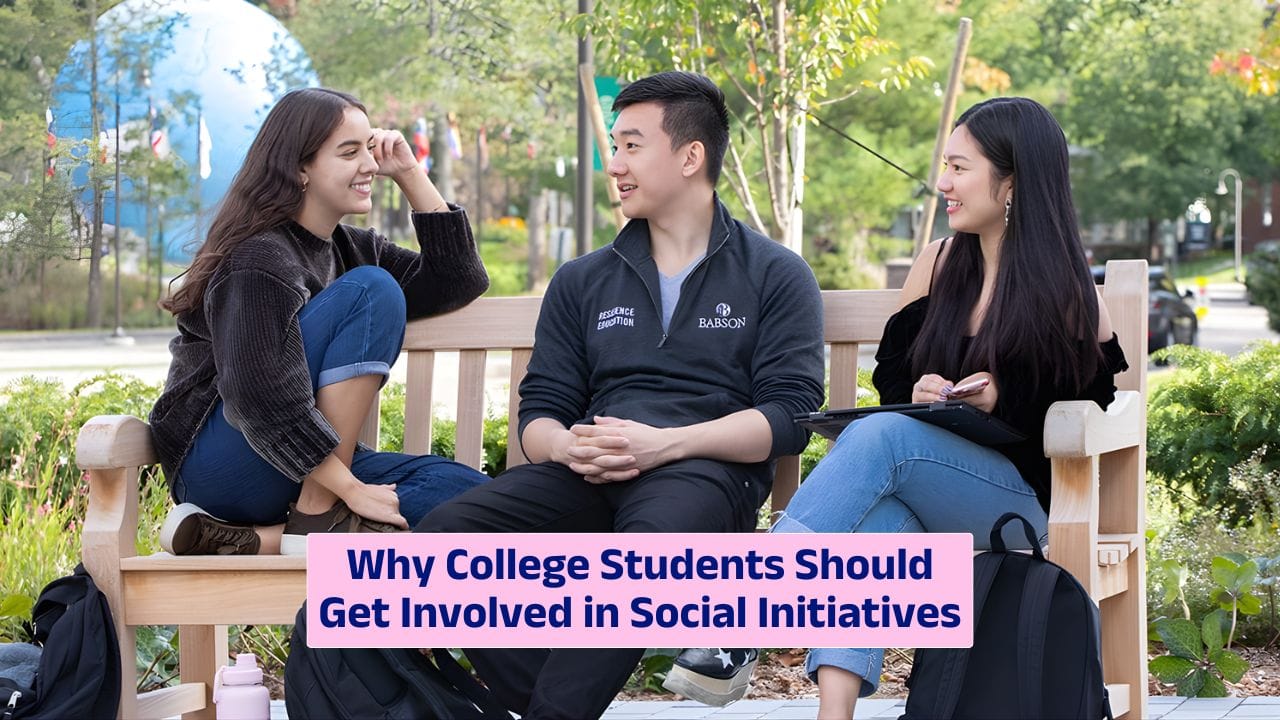
College isn’t just about textbooks, exams, and parties. It’s a time when you’re figuring out who you are and what you stand for. And there’s no better way to do that than by joining a social initiative.
Whether it’s helping out at a shelter, teaching underprivileged kids, or starting an awareness campaign, getting involved in a cause is one of the smartest things a student can do. Here’s why every college student should consider stepping into the world of social impact.
Purpose
College can feel like a whirlwind of deadlines and decisions. Social initiatives help you slow down and reconnect with something meaningful. They give you a sense of purpose that goes beyond grades and resumes.
When you see the difference you can make in someone’s life, it shifts your perspective. It’s no longer just about passing the semester—it’s about being part of something bigger.
Skills
Think volunteering doesn’t teach you anything practical? Think again. Working in a social initiative builds real-world skills that employers love—leadership, teamwork, communication, time management, and problem-solving.

You might find yourself managing a project, running events, or even handling budgets. These experiences stick with you, and they look great on your resume too.
Exposure
Social initiatives open your eyes. You meet people from different backgrounds, hear stories that shake you, and witness struggles you never imagined. This kind of exposure builds empathy and emotional intelligence—qualities that textbooks can’t teach.
You also learn how society really works outside your campus bubble. Understanding these realities makes you a more informed, aware, and responsible citizen.
Confidence
There’s a special kind of confidence that comes from helping others. When you step out of your comfort zone to solve real problems, you grow. You start believing in your own ability to make a difference.
Whether you’re leading a donation drive or teaching a group of kids, every small win adds up. And that belief in yourself carries over into everything you do—from interviews to future goals.

Network
Volunteering connects you with people who care. You build relationships with mentors, changemakers, and like-minded students. These networks can open doors you didn’t even know existed.
Many social initiatives partner with NGOs, startups, and community leaders. So, while you’re doing good, you’re also building a network that could help shape your career path.
Balance
With all the stress of academics, social initiatives offer a refreshing change. They help you find balance by giving your brain and heart something different to focus on. And let’s be honest, helping others feels good.
It’s a healthy way to disconnect from screens, deadlines, and constant pressure. Plus, doing something selfless can improve your mental health and sense of well-being.
Impact
No matter how small your role, your contribution matters. Maybe you helped plant trees, or maybe you helped one child read their first sentence. That’s impact. And impact is addictive—in the best way.

The more you give, the more you grow. And before you know it, you’re inspiring others around you to join in too.
Let’s break it down simply:
| Benefit | What You Gain | Long-Term Value |
|---|---|---|
| Purpose | Direction and motivation | Personal fulfillment |
| Skills | Real-world experience | Career readiness |
| Exposure | Broader understanding of society | Emotional maturity |
| Confidence | Self-belief and courage | Stronger personality |
| Network | Mentors and peers | Career and personal growth |
| Balance | Emotional recharge | Better mental health |
| Impact | Positive change | Legacy and inspiration |
Joining a social initiative in college isn’t just something nice to do—it’s something that can transform you. It makes you a better student, a better professional, and most importantly, a better human.
So the next time you see a poster asking for volunteers or a friend planning a donation drive, say yes. It might just be the experience that changes everything for you.
FAQs
Why join a social initiative in college?
It builds skills, purpose, and real-world experience.
Does volunteering help your career?
Yes, it adds value to resumes and builds soft skills.
Can social work improve confidence?
Yes, helping others boosts self-esteem and courage.
What kind of causes can students join?
Education, environment, health, gender equality, and more.
Is volunteering good for mental health?
Yes, it relieves stress and gives emotional balance.