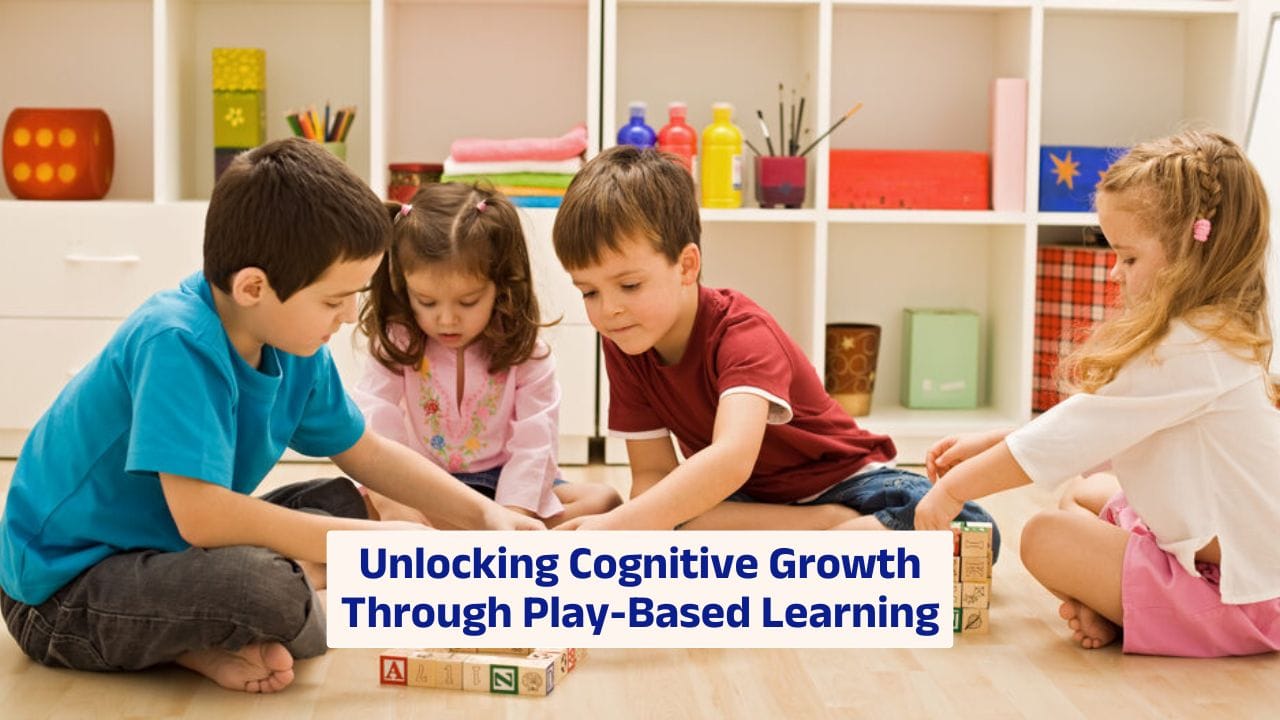
Play is a child’s natural language. It’s how they explore the world, solve problems, and express their creativity. But here’s the kicker—play isn’t just for fun. It’s actually one of the most powerful tools for cognitive development in young children. Let’s cut into how play-based learning can shape brighter, sharper minds.
Basics
Play-based learning is exactly what it sounds like—learning through play. But it’s not random or chaotic. It’s purposeful, guided, and built around activities that engage a child’s interests. Teachers set up the environment and offer materials that encourage exploration, while allowing kids to make choices and take the lead.
This approach stands in contrast to traditional rote learning. Instead of memorizing facts, kids in a play-based environment develop critical thinking, problem-solving, and social skills by experiencing concepts in real-life contexts. It’s learning by doing, not just by listening.
Brainpower
So what does play do for the brain? A lot, actually. When kids play, they’re building neural connections—pathways that support memory, language, and executive functions. Imagine the brain as a muscle. Play is the workout that strengthens it.
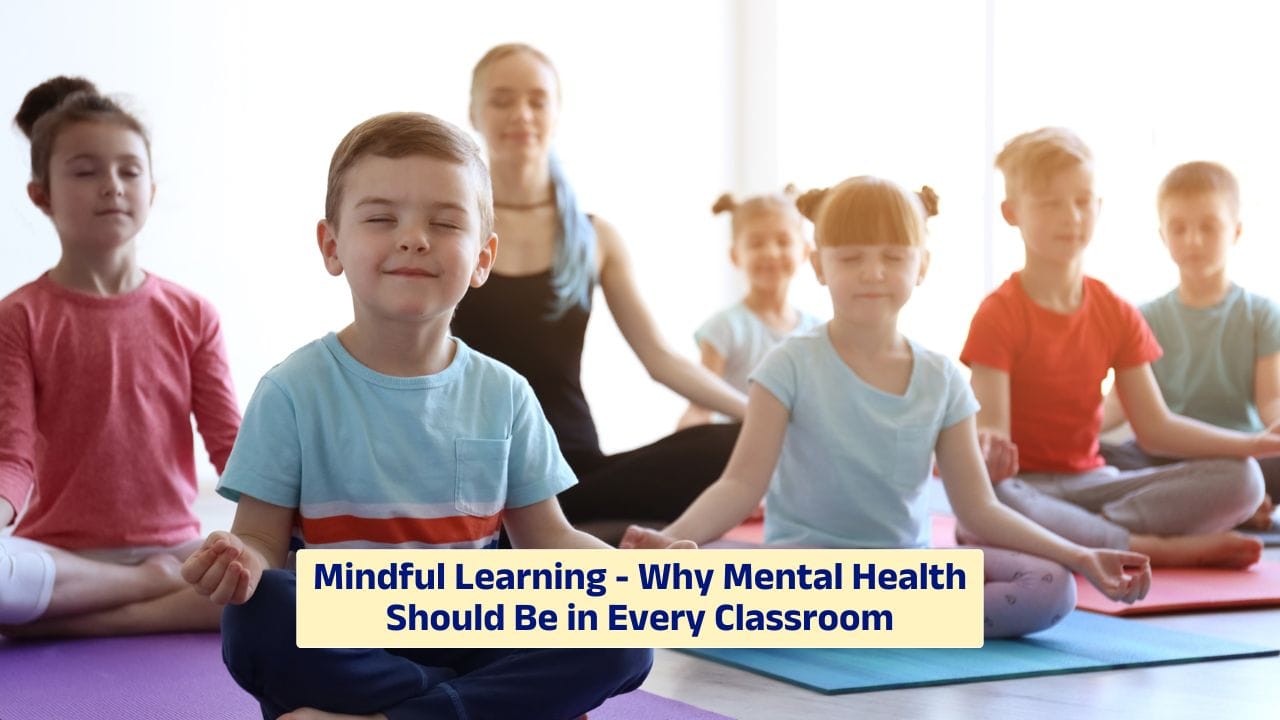
Pretend play, for example, helps children practice perspective-taking, a key element of empathy. Building blocks help them know spatial reasoning and balance. Even simple games like “Simon Says” develop listening skills and self-regulation. These aren’t just games—they’re brain-training sessions in disguise.
Skills
Play-based learning helps build a solid foundation of both academic and life skills. Let’s break it down:
| Skill Type | How Play Supports It |
|---|---|
| Cognitive | Problem-solving, memory, decision-making |
| Language | Vocabulary growth, storytelling, listening |
| Physical | Fine motor skills, hand-eye coordination |
| Social-Emotional | Sharing, empathy, cooperation |
When kids role-play or negotiate rules in a game, they’re learning how to resolve conflicts. When they try and fail at a puzzle, they’re building resilience. These soft skills often matter just as much as academic ones—and play naturally nurtures both.
Creativity
Ever seen a child turn a cardboard box into a spaceship? That’s creativity at work. Play encourages imagination, and imagination fuels innovation. In a play-based environment, kids get the freedom to invent, explore, and reimagine the world around them.
This kind of creative play allows them to think outside the box—literally. Whether they’re painting, building, or inventing their own rules for a game, they’re developing the kind of flexible thinking that will help them adapt to a rapidly changing world.
Motivation
One of the biggest benefits of play-based learning is motivation. When children are genuinely interested in what they’re doing, they’re more likely to stay focused and absorb information. Play makes learning feel like a joy, not a chore.

Instead of dragging through worksheets, kids are eager to come to school and explore. That natural curiosity is the fuel behind deeper learning and long-term engagement.
Balance
This doesn’t mean structure gets tossed out the window. A successful play-based program balances child-led exploration with adult guidance. Teachers step in at the right moments to extend learning—asking open-ended questions, introducing new vocabulary, or challenging a child to think differently.
It’s about creating an environment where children feel safe to take risks, make mistakes, and grow. The structure is there; it’s just subtle and supportive, not rigid.
Evidence
Research strongly supports the power of play-based learning. Studies show that children in play-rich environments perform better on cognitive flexibility, language development, and executive function tests. In countries like Finland—famous for its education system—play is a cornerstone of early childhood education.
Here’s a quick comparison of outcomes:
| Learning Style | Outcome Highlights |
|---|---|
| Traditional | Focus on memorization, limited flexibility |
| Play-Based | Higher engagement, improved problem-solving |
The takeaway? When learning is fun, children thrive—not just academically, but emotionally and socially too.
When we treat play as optional or unimportant, we miss out on one of the most effective ways to support young minds. Play is not a break from learning—it is learning. By embracing play-based learning, we’re not just entertaining kids. We’re empowering them.
FAQs
What is play-based learning?
It’s learning through guided, child-led play activities.
How does play help cognitive growth?
It builds brain connections and develops thinking skills.
Is play better than traditional learning?
For young kids, it often supports deeper, lasting learning.
What skills does play build?
It builds cognitive, social, language, and motor skills.
Can play be structured?
Yes, teachers guide play to support learning goals.