Climate change isn’t just a topic for scientists or politicians anymore—it’s everyone’s issue. And where better to start creating change than in schools? The idea of a green curriculum is gaining serious traction, and it’s about time.
This new approach is all about integrating climate literacy into everyday learning, giving students the tools and knowledge to know the planet’s challenges and solutions. Let’s look into why climate education matters and how it’s shaping the next generation.
Purpose
So, what’s the real goal of a green curriculum? It’s not just about planting trees or talking about recycling. The aim is to build climate-literate students—kids and teens who understand how human actions affect the environment and what can be done to protect it.
It’s about shifting mindsets. By weaving climate topics into math, science, literature, and even art, we show students that climate change isn’t a separate subject. It’s part of everyday life and every decision we make.
Awareness
When students are taught about climate issues early on, they start to notice things adults often ignore. Why are there more floods? Why is this summer hotter than the last? Why do forests keep burning?
Climate education gives them the vocabulary and context to understand what’s happening around them. It’s not about fear—it’s about awareness. Students who grasp the causes and effects of climate change can think critically and ask better questions. And better questions lead to better solutions.
Action
Knowledge without action doesn’t do much. That’s why the green curriculum also emphasizes practical solutions. Students don’t just learn about global warming—they learn how to reduce their carbon footprint, why eating local food matters, and how renewable energy works.
In many schools, students are starting gardens, installing solar panels, and organizing community cleanups. These aren’t just school projects—they’re life lessons. They show that small actions can add up to big change, especially when driven by an entire generation.
Integration
A big win for the green curriculum is how it can fit into existing subjects. You don’t need a whole new course to teach climate literacy. Here’s how climate topics can be blended into everyday learning:
| Subject | Climate-Related Topic Example |
|---|---|
| Science | Greenhouse gases, renewable energy |
| Math | Measuring carbon footprints, data analysis |
| Literature | Climate-themed novels or essays |
| Geography | Rising sea levels, climate zones |
| Art | Environmental-themed projects and murals |
This cross-subject approach makes climate change relatable. It shows students that environmental responsibility is everyone’s job, no matter their interests or future careers.

Careers
Another big bonus? It opens up new career paths. The green economy is booming, and students who understand sustainability will be in high demand. From green engineering to sustainable fashion and climate policy, there’s a growing list of jobs that need climate-literate workers.
Early exposure to these ideas can help students make informed decisions about their future. They start to see that doing good for the planet can also mean doing well in their careers.
Community
Climate literacy doesn’t stop at the school gate. When students learn about sustainability, they take that knowledge home. Suddenly, families are talking about composting, using less plastic, or riding bikes instead of driving.
In this way, schools can spark a ripple effect. One well-informed student can inspire an entire household—or even a neighborhood. That’s the real power of a green curriculum: it creates climate ambassadors who drive change far beyond the classroom.
Urgency
The climate crisis isn’t slowing down. Sea levels are rising, extreme weather is more common, and ecosystems are under threat. If the next generation isn’t equipped to handle these challenges, who will be?

The urgency is real. That’s why climate literacy can’t wait until college or high school. It has to start early—right from elementary school—so that kids grow up understanding both the problem and the solutions.
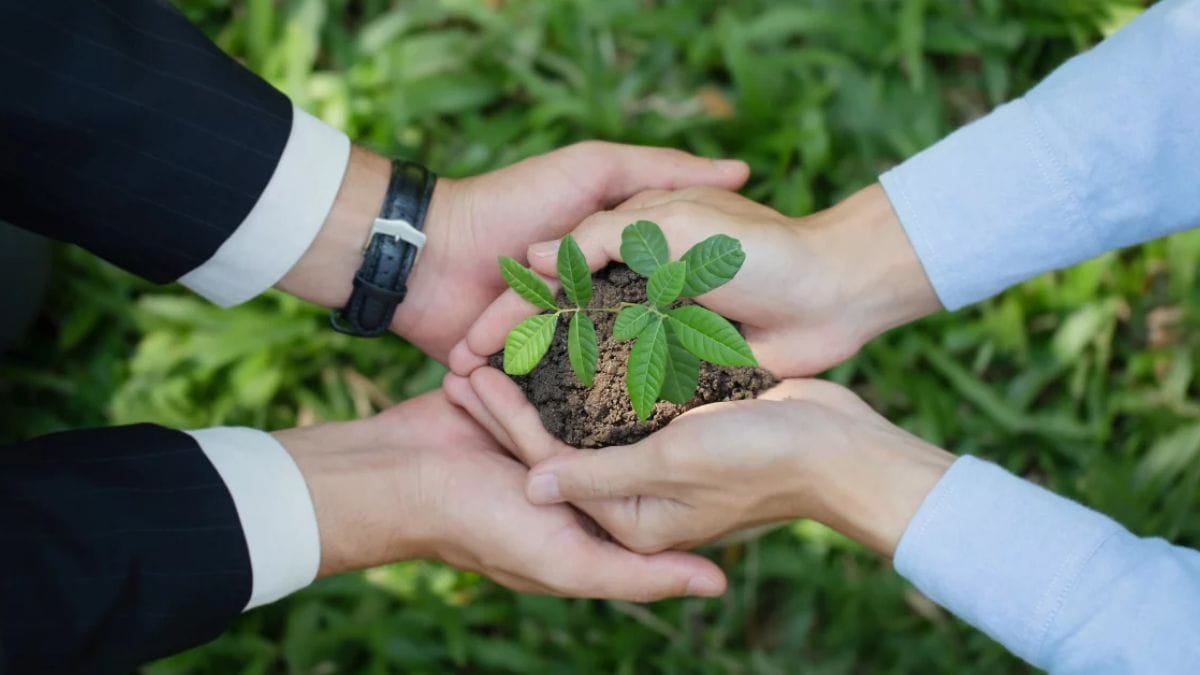
Education is one of the most powerful tools we have in the fight against climate change. By bringing climate literacy into every classroom, we’re not just teaching facts—we’re planting seeds of action, empathy, and resilience. The green curriculum isn’t just a nice-to-have anymore. It’s a must-have for the future of our planet and the generations who will inherit it.
FAQs
What is a green curriculum?
It’s an education model that integrates climate topics in all subjects.
Why is climate literacy important?
It helps students understand and act on environmental issues.
How can schools teach climate topics?
By blending climate lessons into math, science, art, and more.
Does climate education affect careers?
Yes, it prepares students for green and sustainable jobs.
Can students make a real impact?
Yes, through eco-projects and by influencing families and communities.