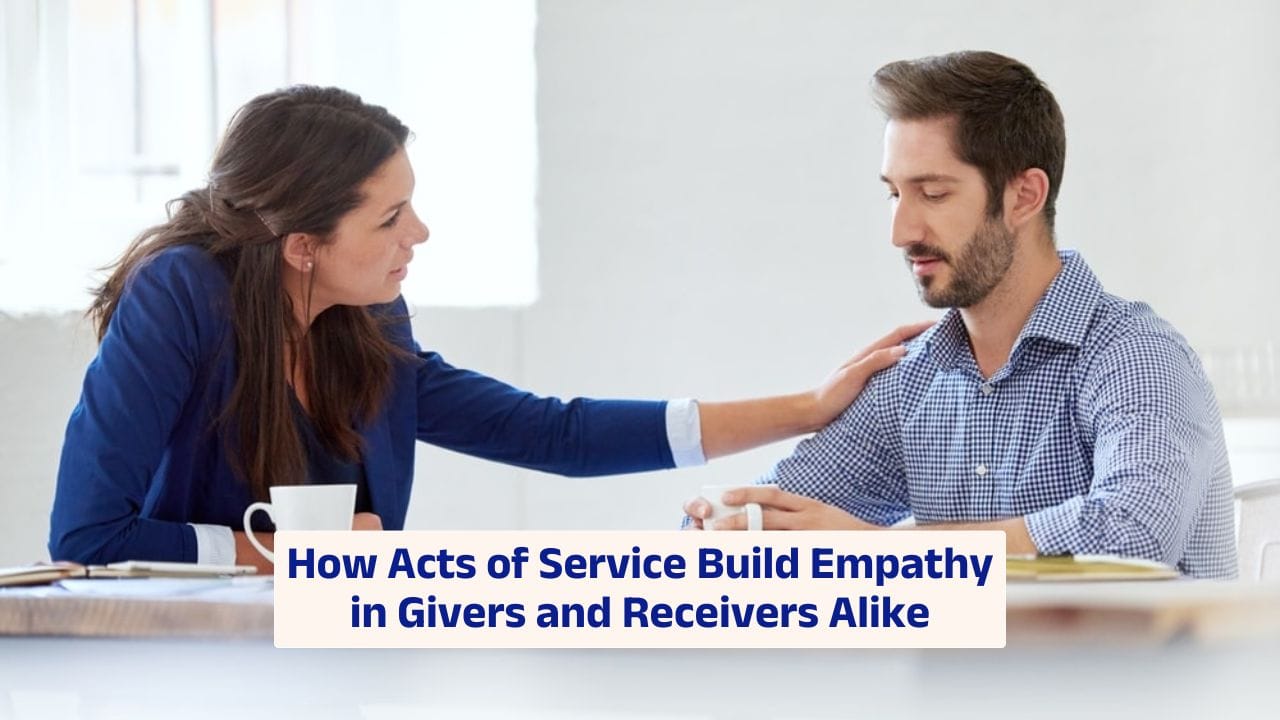
In a world moving faster than ever, it’s easy to feel disconnected. But one thing that still binds us together is service—those simple, powerful moments of helping someone else.
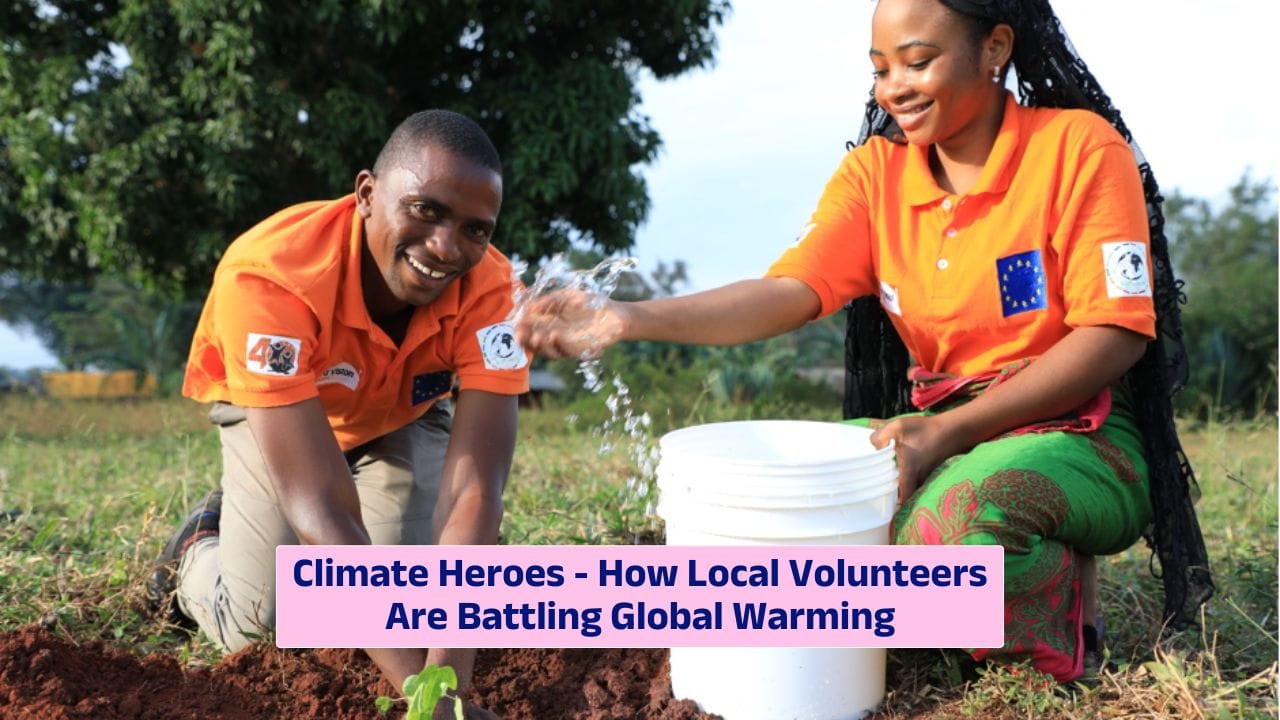
Whether you’re volunteering at a food bank, mentoring a student, or just lending a hand to a neighbor, service does more than meet needs. It builds empathy. It changes the way we see others—and ourselves. And in 2025, this emotional connection might be more essential than ever.
Let’s unpack how service is not just about doing good but also about growing as humans—both for the giver and the receiver.
Shift
Most people think of service as one-sided. Someone gives, someone receives. But in reality, it’s a two-way street. The person receiving help might get food, support, or education—but the person giving often gets something just as valuable: perspective.
Over time, service has shifted from charity to connection. It’s no longer just about donating things or ticking boxes. It’s about showing up, listening, and understanding someone else’s world. This shift is what truly builds empathy.
Insight
When you help someone face-to-face—or even online—you start seeing life through their eyes. Maybe you mentor a teen struggling with school and realize how family challenges shape learning. Or you visit a shelter and notice the resilience of people who’ve lost everything.
These insights aren’t things you can get from books or videos. They come from experience. And they soften your views, break stereotypes, and make you more patient and open-minded.
Growth
Giving back changes you. It can boost your emotional intelligence, improve your mood, and even reduce stress. Studies have shown that regular volunteers report feeling more connected and purposeful. That’s because helping others activates the brain’s reward system—releasing feel-good chemicals like oxytocin and dopamine.
But it’s not just about biology. Service helps you grow emotionally. You develop better communication skills, greater tolerance, and deeper compassion. You learn that small gestures can have big impact—and that everyone, no matter their background, has a story worth hearing.
Reflection
For many, service leads to self-reflection. You start asking questions like: Why did that moment move me? What more can I do? Am I living in a way that reflects my values?

These questions are important. They pull you out of autopilot and help you live with intention. They also help you understand your own privileges, struggles, and assumptions—and challenge you to become better.
Some organizations now include reflection as part of service programs. Volunteers write journals, discuss their experiences, or share stories in groups. This helps turn action into insight.
Impact
So, what about the receiver? While service helps the giver grow, it can also transform the life of the person on the receiving end. But here’s the key—it’s not just about the help. It’s about being seen, heard, and valued.
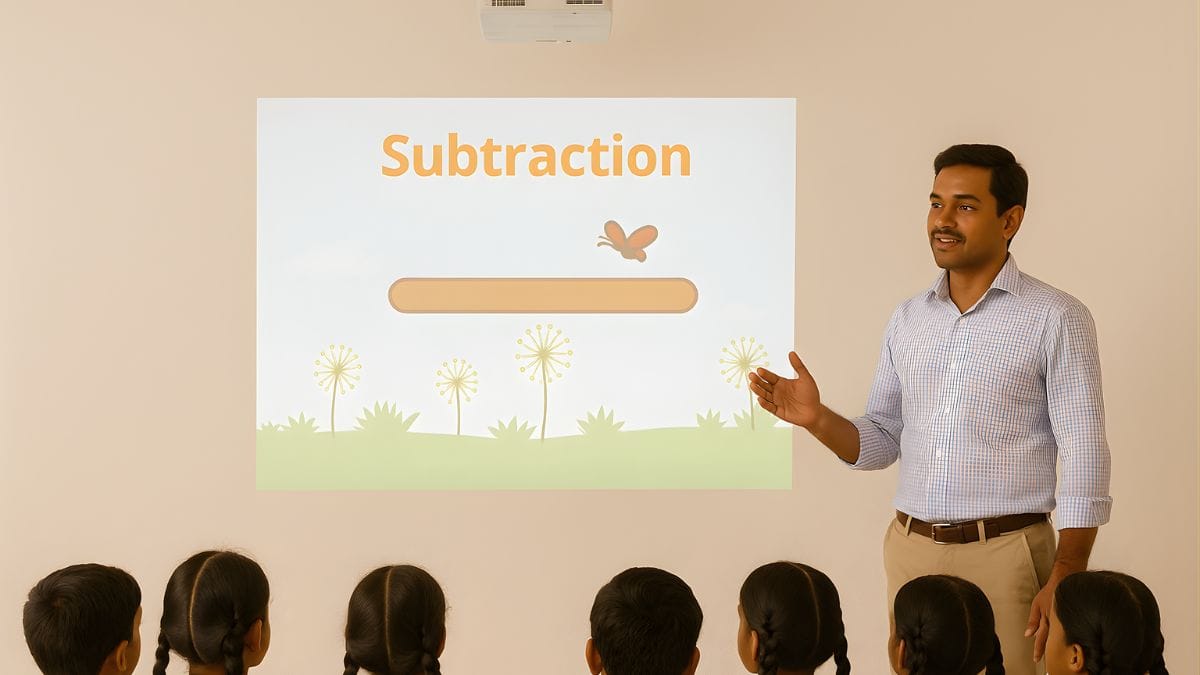
Imagine a student who gets regular mentoring from a volunteer. It’s not just the math help that matters—it’s knowing someone believes in them. Or an elderly person receiving a weekly phone call—it’s not the call, but the connection that brings comfort.
Service, when done with empathy, doesn’t make someone feel less than. It makes them feel human. Equal. Empowered.

Balance
Of course, not all service is helpful. Sometimes it can feel forced or even patronizing. That’s why intention matters. Are you doing it to truly connect—or just for a photo or resume boost?
True service is rooted in humility. It listens more than it talks. It adapts, asks questions, and learns. And it respects the dignity of those being served.
Creating this balance means moving away from “savior” thinking and toward solidarity. Working with people, not just for them.
Future
As the world becomes more digital, service is evolving too. Virtual volunteering, peer mentoring, digital fundraising, and online support groups are making it easier to serve from anywhere. But the emotional core remains the same: empathy.
Whether in person or online, service will continue to be one of the most powerful tools for personal growth and social healing. It reminds us that behind every struggle is a human being. And behind every act of giving is a chance to build something deeper than just a donation—a relationship.
In the end, service isn’t just about changing the world. It’s about letting the world change you, one act of empathy at a time.
FAQs
How does service build empathy?
It helps you see life through others’ eyes and experiences.
Can service help personal growth?
Yes, it boosts emotional intelligence and self-awareness.
What’s the benefit for the receiver?
They feel supported, valued, and connected.
Is digital volunteering effective?
Yes, it allows meaningful impact even remotely.
What makes service meaningful?
Intentions, reflection, and empathy make it truly impactful.