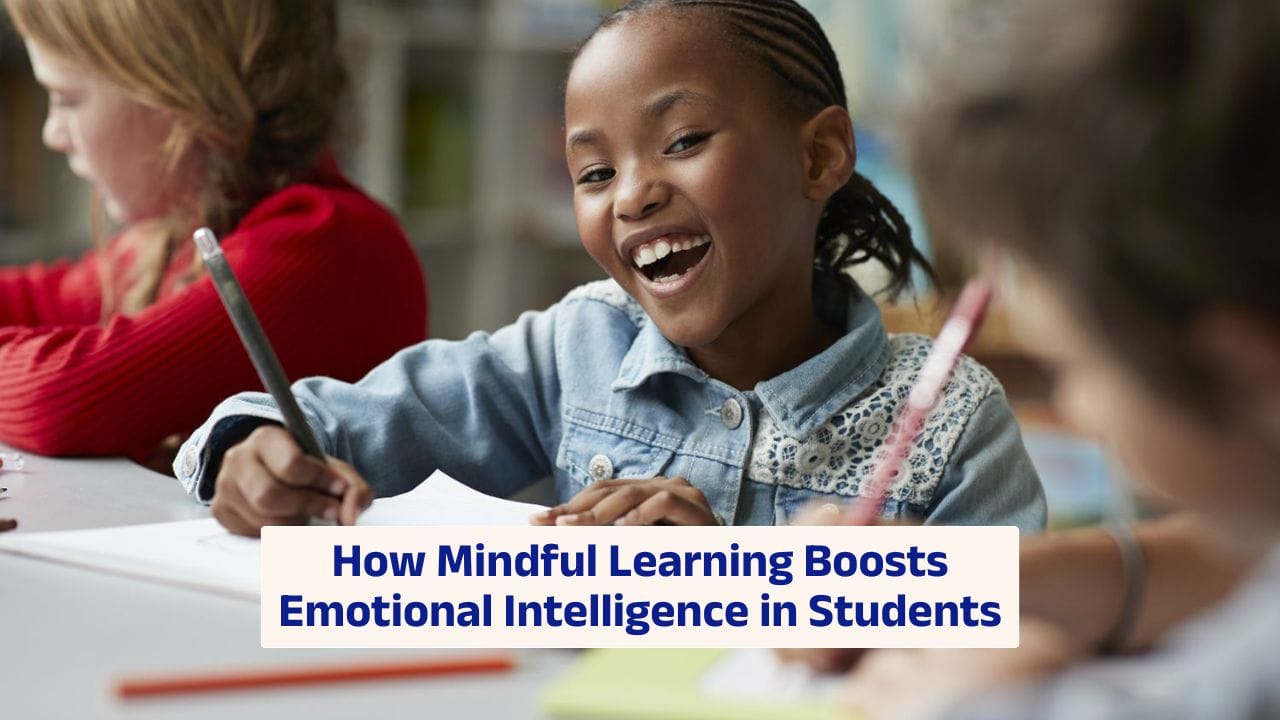
We often think of school as a place to build academic skills, but what about emotional skills? That’s where mindful learning comes in. It’s more than just paying attention—it’s about understanding how we think and feel, and how others do too.
Emotional intelligence isn’t something you’re just born with—it’s a skill that can be taught and learned. And when students build it, they not only do better in school but also grow into more compassionate, resilient individuals.
Mindfulness
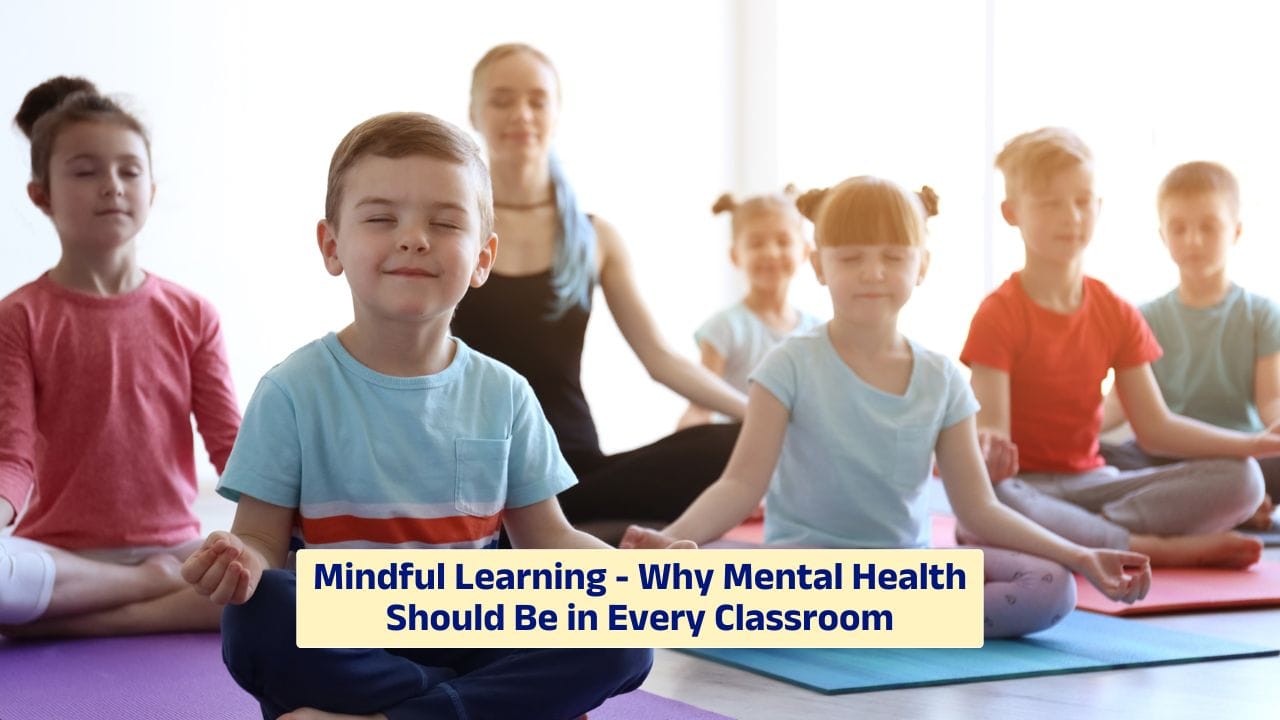
So, what exactly is mindfulness? In simple terms, it means being fully present in the moment. No distractions. No multitasking. Just tuning in to your thoughts, emotions, and surroundings without judging them.
When students practice mindfulness, they develop a habit of pausing before reacting, listening before speaking, and thinking before judging. That’s a powerful tool for anyone, especially young minds still learning to manage their emotions.
Emotions
Emotional intelligence starts with recognizing emotions—not just in others but in yourself. Mindful learning encourages students to notice how they’re feeling and ask themselves why.
Are they frustrated because they don’t know something, or are they just tired? Naming emotions gives them control. It’s like identifying the weather: once you know it’s raining, you can grab an umbrella. Same thing with emotions—once you name them, you can manage them.
Awareness
Self-awareness is at the core of emotional intelligence. When students are mindful, they become more aware of their emotional triggers, thoughts, and reactions. They start noticing patterns: maybe math tests always make them anxious or group work stresses them out.
This awareness allows them to take a step back and choose how to respond instead of reacting on impulse. Over time, this builds confidence and emotional control.
Empathy
You can’t build emotional intelligence without empathy—the ability to understand and feel what others are going through. Mindful practices like active listening and perspective-taking help students put themselves in others’ shoes.
Think of empathy as the social glue in any classroom. It reduces bullying, boosts collaboration, and creates a sense of community. Mindfulness teaches students to not just hear but really listen, not just see but really know.

Regulation
Once students recognize emotions and understand others, the next step is managing their responses. This is emotional regulation—staying calm when things get tough, staying respectful when you’re angry, and bouncing back after disappointment.
Mindfulness gives students practical tools for this. Breathing techniques, guided meditations, and reflection exercises help them stay grounded. It’s like having an emotional first-aid kit at their fingertips.
Focus
Let’s not forget focus. Mindfulness sharpens students’ ability to pay attention. And in a world full of pings, notifications, and endless distractions, that’s a superpower. When students can stay present, they retain information better, solve problems more creatively, and make fewer impulsive decisions. Focus is also a foundation for emotional intelligence. You can’t understand emotions—yours or someone else’s—if your mind is somewhere else.
Resilience
Every student faces setbacks. But those with emotional intelligence bounce back quicker. Mindfulness helps build resilience by teaching students to accept failures without judgment and learn from them.
Instead of spiraling into negative thinking, they develop a growth mindset: “I didn’t fail; I just haven’t figured it out yet.” That kind of mental strength not only helps in school but also prepares them for life.

Practice
None of this happens overnight. Just like physical fitness, emotional intelligence needs consistent training. Schools that integrate mindfulness into daily routines—like starting the day with a few minutes of breathing or ending class with reflection—see big changes over time. Even five minutes a day can make a huge difference.
Here’s a simple comparison of student behavior before and after mindful learning practices:
| Behavior | Before Mindfulness | After Mindfulness |
|---|---|---|
| Emotional reactions | Impulsive, extreme | Calm, thoughtful |
| Focus levels | Easily distracted | Sustained attention |
| Peer interaction | Conflict-prone | Empathetic, kind |
| Stress management | Overwhelmed | Resilient |
Mindful learning isn’t just a trend—it’s a transformational approach to education. By focusing on the emotional side of learning, schools can nurture students who are not just smarter but also kinder, more aware, and more connected. Emotional intelligence isn’t just for counselors or psychologists—it’s for everyone, and mindfulness is how we get there.
FAQs
What is mindful learning?
It’s being fully present and aware while learning.
How does mindfulness help students?
It improves focus, empathy, and emotional control.
Can emotional intelligence be taught?
Yes, it can be learned through mindful practices.
Why is empathy important in school?
It builds better relationships and reduces conflict.
What are simple mindfulness exercises?
Breathing, journaling, and guided meditations.