Every day, we’re surrounded by campaigns—hashtags, ads, posters, and influencer videos telling us to care about something. But let’s be honest: caring is easy. Clicking “like” or sharing a post takes seconds. The real challenge? Turning that awareness into action. That’s the difference between a campaign and a movement.
A campaign gets attention. A movement gets results. But how do you cross that gap? How do you transform people from spectators into changemakers? That’s where strategy, emotion, and community all come into play. Let’s break down how powerful causes move from trending topics to lasting change.
Spark
Every movement starts with a spark—something that lights a fire in people. It could be a viral video, a tragic event, a powerful story, or even a bold new idea. This spark grabs attention and awakens emotion. That emotion—whether anger, hope, or empathy—is the fuel that gets people to stop scrolling and start caring.
But a spark alone isn’t enough. Emotions fade. What matters is what you do next—how you turn that initial burst of awareness into ongoing energy.
Message
To build a movement, you need more than just noise. You need a clear, powerful message. Think about successful movements like Black Lives Matter or Fridays for Future. They didn’t just raise awareness—they repeated a simple, bold message that people could rally behind.
A strong message does three things:
- Identifies the problem
- Offers a solution
- Invites people to act
The best messages aren’t lectures. They’re calls to action that feel personal and urgent. When people see themselves in the message, they’re more likely to get involved.
Action
This is where most campaigns stall. They tell people what’s wrong—but not what to do about it. If you want to build a movement, you have to make action easy, accessible, and meaningful.
Here are some ways campaigns drive action:
| Action Type | Example |
|---|---|
| Digital Engagement | Signing petitions, sharing content, tagging friends |
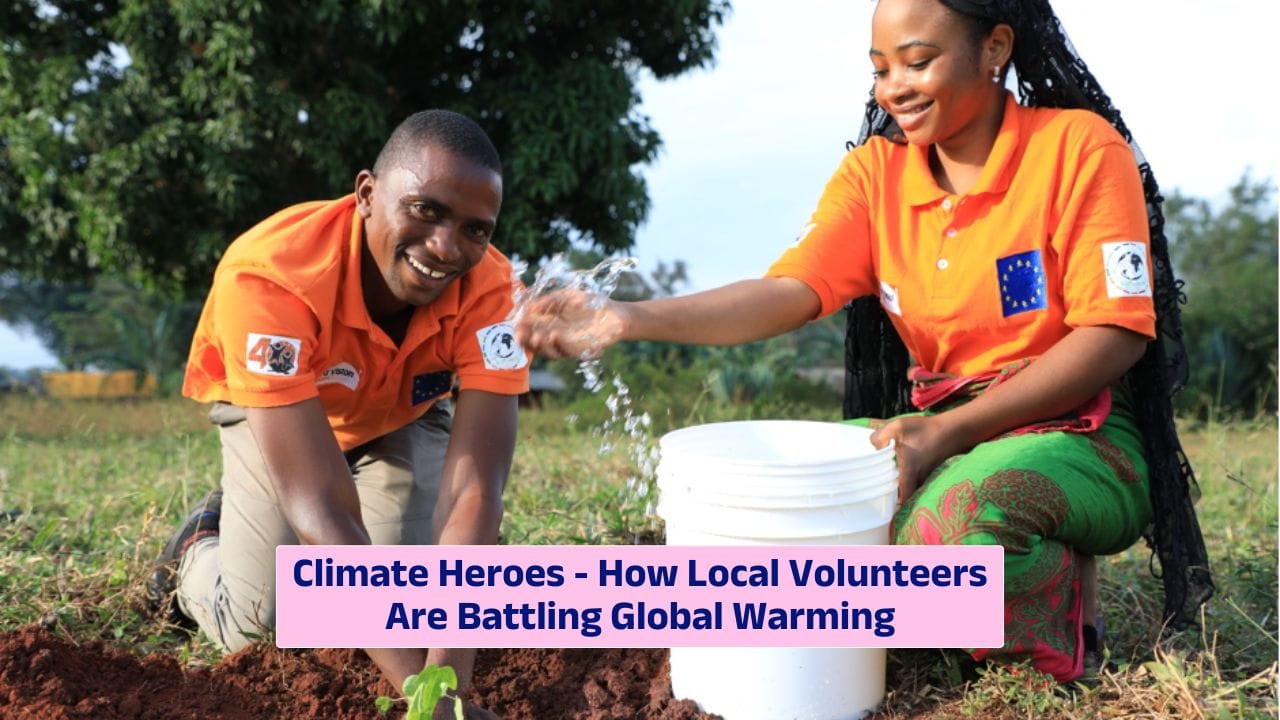
| Local Events | Rallies, meet-ups, cleanups, workshops |
| Donations | One-time gifts, monthly giving, crowdfunding |
| Lifestyle Change | Going vegan, reducing waste, voting with dollars |
The goal is to give people a role, no matter how small. When people take that first step, they feel ownership. And that’s when action becomes habit.
Community
Movements thrive when people feel like they’re part of something bigger. Campaigns that build community—both online and offline—turn followers into leaders. Think Facebook groups, Discord channels, community events, or even branded merch. It’s about creating a shared identity.
This is where movements gain momentum. People invite their friends. They share their stories. They start creating their own content. And just like that, the cause starts to grow beyond its original creators.
Consistency
Campaigns often come and go. They spike during a launch, then disappear. Movements, on the other hand, build slowly and steadily. That takes consistency—showing up even when the spotlight fades.
Movements stay alive through:
- Regular updates and wins
- Transparent storytelling
- Ongoing calls to action
- Evolving goals
It’s about keeping people engaged long after the headline fades. If the issue still exists, the work must continue.

Impact
The ultimate goal of a movement is impact—real-world change. That could be new laws, safer communities, better policies, or shifted public attitudes. But change doesn’t happen overnight. That’s why movements must measure progress, celebrate small wins, and stay focused on long-term goals.
And here’s the kicker: movements aren’t run by “experts.” They’re powered by ordinary people who choose to care—and keep showing up.
The next time you see a campaign that moves you, ask: What can I do about it? Because awareness is just the first step. Real power comes from action.
FAQs
What is the goal of a movement?
To create long-term real-world change.
How do campaigns become movements?
By turning awareness into consistent action.
What makes a good campaign message?
Clarity, urgency, and a call to action.
Why does community matter in movements?
It builds identity and keeps people engaged.
What actions support a movement?
Petitions, events, donations, and lifestyle changes.