In today’s fast-paced digital world, literacy is no longer just about being able to read a book or write a letter. It’s evolved into something far more complex, something deeply woven into how we work, communicate, and know the world around us.
So, what does it truly mean to be “literate” in the 21st century? It’s not just about paper and ink anymore — it’s about navigating a flood of information, interpreting media, engaging online, and thinking critically. Let’s cut into what redefining literacy really looks like today and why it matters more than ever.
Evolution
Traditionally, literacy was simple: read, write, repeat. But times have changed. As technology advanced, the skill set we need to thrive in modern life expanded. Now, literacy includes digital skills, media literacy, financial literacy, and even emotional intelligence.
Think about it: Can someone really succeed today if they can write an essay but can’t tell a real news article from a fake one? Or manage a budget? Or communicate effectively online? Probably not. That’s why the old definition of literacy just doesn’t cut it anymore.
Digital
Digital literacy might be the most crucial upgrade. It’s the ability to use technology effectively and responsibly. From sending emails to understanding cybersecurity threats, digital know-how is essential.
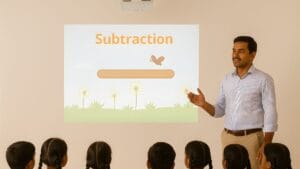
Kids are learning to code before they learn cursive. Adults must navigate apps, cloud storage, and video conferencing at work. Whether you’re sharing a Google Doc or setting up two-factor authentication, digital literacy is part of everyday life.
Media
We’re exposed to more media in a day than our grandparents were in a month. So, media literacy is now vital. It’s not just about watching or reading — it’s about analyzing, questioning, and evaluating.
Can you spot bias in a news story? Can you separate facts from opinions on social media? If not, you’re at risk of being manipulated. Media literacy teaches us to be skeptical, not cynical, and to think for ourselves.
Financial
Another big one? Financial literacy. With online banking, credit cards, and crypto assets, money has become more complex. You can’t just save under the mattress anymore.
Knowing how loans work, how to build credit, or even how to file taxes — that’s part of modern literacy. Without these skills, people fall into debt traps or miss out on opportunities for growth and security.
Sample Financial Literacy Table
| Skill | Description | Importance |
|---|---|---|
| Budgeting | Planning income and expenses | Avoids overspending |
| Credit management | Understanding credit scores | Affects loans & rent |
| Investing basics | Stocks, bonds, mutual funds | Builds long-term wealth |
| Online safety | Avoiding scams and fraud | Protects finances |
Emotional
In a world where texts replace conversations and emojis stand in for feelings, emotional literacy has gained importance. It’s about recognizing your emotions, expressing them clearly, and understanding others.
This skill helps people build stronger relationships, avoid conflict, and thrive at work. Employers today value emotional intelligence as much as technical ability.
Cultural
Cultural literacy is another piece of the puzzle. We live in a global society. Being literate now includes understanding diverse backgrounds, respecting different beliefs, and working across cultures.
From social media to international job markets, your ability to navigate cultural differences can make or break your success. It’s not just “nice to have” anymore — it’s necessary.
Critical
Above all, modern literacy is about thinking. Critical literacy involves analyzing information, questioning sources, and forming your own opinions. It’s about not taking everything at face value.
In a world of algorithms and echo chambers, this is more important than ever. Critical thinkers are the ones who shape ideas, solve problems, and drive progress.
So, as we redefine what it means to be literate, it’s clear that reading and writing are just the beginning. True literacy in the 21st century means being informed, thoughtful, and adaptable. It means keeping up with change and not getting lost in the noise.
If we want to prepare future generations for what’s ahead, we need to expand how we teach and measure literacy. Because in the end, being literate today isn’t just about surviving — it’s about thriving.
FAQs
What is 21st-century literacy?
It includes digital, media, financial, and emotional skills.
Why is media literacy important?
It helps identify bias and fake news in media.
How does digital literacy help us?
It enables safe, efficient use of technology daily.
Is emotional literacy part of being literate?
Yes, it improves communication and self-awareness.
Can literacy include financial knowledge?
Absolutely, managing money is key to modern life.