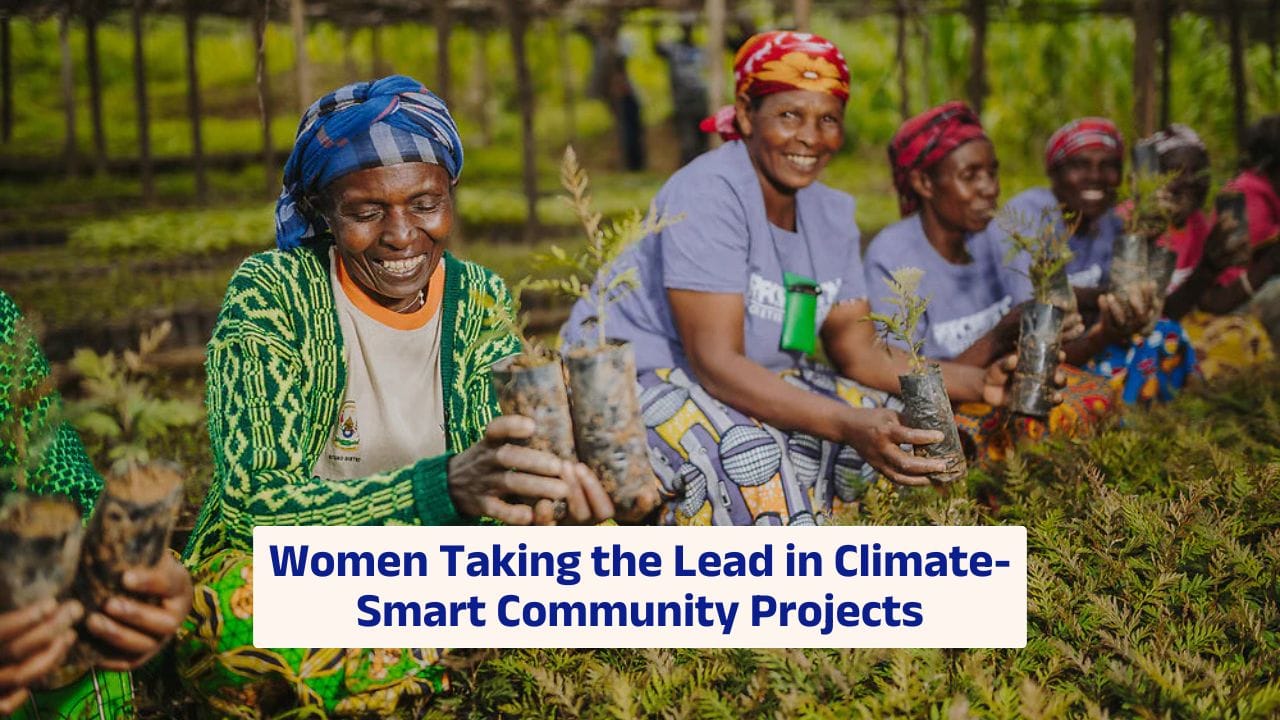
When it comes to tackling climate change at the grassroots level, women are not just participating—they’re leading. Across the globe, women are stepping up to design and drive climate-smart community projects that are both practical and powerful.
From sustainable farming in rural villages to urban green initiatives, their efforts are proving that solutions don’t always need to come from boardrooms or big budgets. Sometimes, real change starts with women taking action right where they live.
Movement
The movement of women leading local climate action isn’t new, but it’s gaining momentum. For years, women have been among the most affected by environmental challenges—especially in low-income and rural areas. But now, they’re flipping the narrative by becoming active agents of change.
What makes their approach unique? It’s often grounded in community, care, and long-term thinking. Women tend to focus on solutions that are sustainable, inclusive, and tailored to local needs—like building community gardens, restoring water sources, or teaching eco-friendly farming techniques.
Roles
Women are taking on diverse roles in climate-smart projects, from grassroots organizing to technical planning and policy advocacy. Here are some ways women are leading:
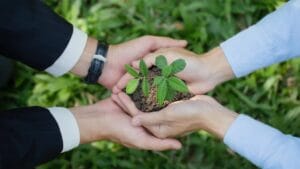
- Organizing tree-planting campaigns and community clean-ups
- Developing rainwater harvesting systems
- Teaching climate-resilient agricultural methods
- Leading disaster preparedness education
- Managing local renewable energy projects
- Advocating for climate policies at town halls or councils
These aren’t just volunteer efforts—they’re strategic, well-coordinated responses to the climate crisis, often with long-term impact.
Impact
Women-led climate projects are producing real, measurable results. They’re improving food security, reducing pollution, conserving water, and building stronger, more self-sufficient communities.
Let’s look at some common project impacts:
| Project Type | Community Impact |
|---|---|
| Urban gardening | Increases food access and green spaces |
| Clean cooking initiatives | Reduces indoor pollution and deforestation |
| Water conservation systems | Improves access and reduces waste |
| Eco-education for youth | Builds long-term climate awareness |
| Community solar projects | Cuts costs and promotes clean energy |
These initiatives often spark wider changes too—boosting local economies, increasing women’s leadership, and inspiring new climate champions.
Barriers
Despite their growing role, women still face hurdles in leading climate projects. Limited funding, lack of access to technology, and societal gender norms can all hold them back. In some regions, women may not have land rights, decision-making power, or the education needed to access resources.

But progress is happening. More NGOs, governments, and global funds are recognizing the importance of supporting women-led climate action. When women are empowered with tools, training, and trust, their projects flourish.
Support
Building a strong network around these women leaders is key. They need:
- Access to small grants and funding
- Training in project management and sustainability practices
- Mentorship and peer networks
- Inclusion in policy-making spaces
- Visibility and recognition of their work
By investing in women-led climate solutions, we’re investing in entire communities. Studies show that when women lead environmental efforts, results are more inclusive and long-lasting.
Stories
Around the world, countless women are already creating change. Like the grandmother in Kenya teaching girls how to grow drought-resistant crops. Or the architect in India designing solar-powered classrooms. Or the teen in the U.S. leading composting programs at her school.
These stories matter because they show what’s possible. They inspire others to take action. And they remind us that climate leadership doesn’t have to come from big names or big cities—it can come from any woman with vision and heart.

Future
As climate challenges grow, so does the need for local, people-powered solutions. Women are proving to be the backbone of many of these efforts—turning knowledge, care, and community into powerful action.
If we want a climate-smart future, we need to back the women already building it. With the right support, there’s no limit to what they can achieve.
Women aren’t just talking about change—they’re making it happen. Through climate-smart projects rooted in real needs, they’re protecting the planet and uplifting communities at the same time. Their leadership is practical, powerful, and exactly what the world needs right now.
FAQs
How are women leading in climate action?
By organizing local eco-projects and driving community change.
What are examples of women-led projects?
Urban gardens, clean energy, water conservation, and education.
What challenges do women face in this work?
Funding, tech access, and gender-based limitations.
How can these women be supported?
Through training, funding, and inclusion in decision-making.
Why are women’s projects effective?
They’re community-focused, inclusive, and built for impact.