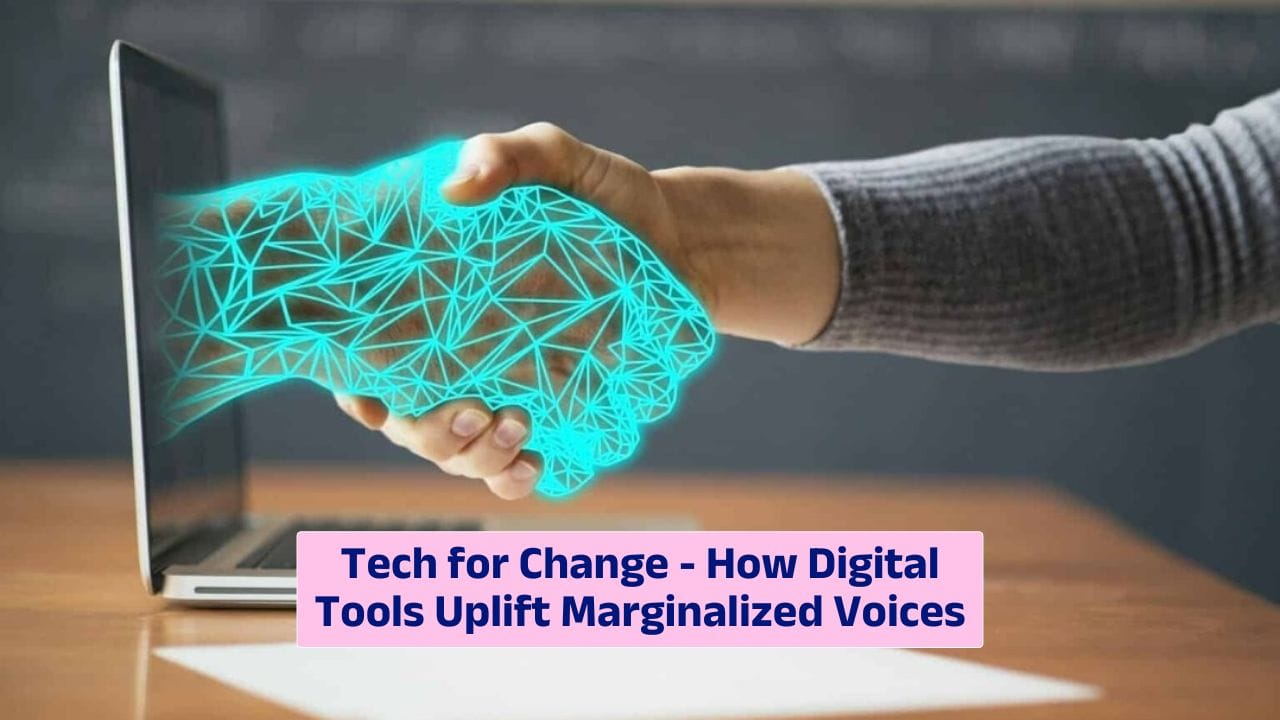
In today’s hyperconnected world, technology does more than just entertain or simplify daily life. It’s becoming a powerful equalizer – giving voice, visibility, and opportunities to people who’ve long been left out. For marginalized communities, digital tools are opening new doors and creating spaces to speak, lead, and thrive.
From remote learning to social media activism, let’s look into how tech is helping break barriers and bring unheard voices to the forefront.
Access
One of the biggest challenges for marginalized groups is access. Whether it’s education, healthcare, or financial services, many are left out due to location, income, or discrimination. But tech is starting to close that gap.
Low-cost smartphones, community Wi-Fi, and digital literacy programs are helping more people connect. With a simple device and internet access, someone in a remote village can now attend online classes, apply for jobs, or get medical advice through a mobile app.
Access is the first step – and for many, it’s life-changing.

Expression
In the past, only a select few had access to traditional media platforms. But now, anyone with a phone can share their story, culture, and perspective. Social media has become a digital megaphone for voices that were once ignored or silenced.
Think of how Indigenous activists use Instagram to protect their lands. Or how people with disabilities use TikTok to challenge stereotypes. Technology is giving space to the stories that matter – stories that often never made headlines before.
It’s not just about speaking out, though. It’s about being heard.
Opportunity
Tech is also leveling the playing field when it comes to education and employment. Online learning platforms offer free or low-cost courses to anyone with internet access. People from underserved communities can now learn coding, digital marketing, design – skills that lead to real, remote jobs.
Here’s a look at some platforms making a difference:

| Platform | What It Offers |
|---|---|
| Coursera | University-level courses |
| Khan Academy | Free K-12 education |
| Upwork | Remote freelance work opportunities |
| Skillshare | Creative and practical skill courses |
| LinkedIn Learning | Professional development courses |
These platforms are helping people turn their skills into income – often without needing a degree or expensive training.
Advocacy
One of the most powerful uses of digital tools is advocacy. Campaigns that used to rely on flyers or small protests can now reach millions with a hashtag. Online petitions, viral videos, and live streams are changing the way the world responds to injustice.
Movements like #MeToo, #BlackLivesMatter, and #FridaysForFuture gained global momentum thanks to social media. These platforms gave visibility to issues that were overlooked and helped push for real policy change.
And beyond global movements, tech also empowers local activism. A small community can raise awareness about land rights, water shortages, or education through a blog, podcast, or WhatsApp group.
Inclusion
Digital empowerment isn’t just about having access – it’s about building tools that work for everyone. That means designing apps and platforms that consider different languages, disabilities, and cultural contexts.

Voice commands for the visually impaired, subtitles for the deaf, and localized content for rural users are great examples. When tech is inclusive by design, it becomes truly empowering.
Companies and nonprofits are starting to prioritize inclusive design, and that’s a major step in the right direction.
Challenges
Of course, digital empowerment doesn’t come without challenges. Not everyone has the same quality of internet or devices. There’s also a gap in digital literacy – knowing how to use these tools safely and effectively.
Misinformation, online harassment, and digital surveillance can disproportionately affect marginalized groups. That’s why digital rights, online safety, and education are key to making tech truly empowering.
If we want technology to uplift rather than divide, we need to make sure the digital world is just as fair and inclusive as the real one should be.
Technology has the power to amplify voices, unlock potential, and drive change. But it only works when it’s accessible, inclusive, and designed with real people in mind. For marginalized communities, digital empowerment isn’t just about connection – it’s about transformation.
It’s time we stop seeing tech as a luxury and start seeing it as a human right – one that can bring dignity, opportunity, and equality to those who’ve been left behind for too long.
FAQs
What is digital empowerment?
It’s using tech to give people access, voice, and opportunities.
How does tech help marginalized groups?
It provides tools for learning, work, advocacy, and connection.
What platforms offer free learning?
Coursera, Khan Academy, and LinkedIn Learning are popular options.
Can tech fight inequality?
Yes, if it’s accessible, inclusive, and protects digital rights.
What’s the risk of digital exclusion?
It can deepen inequality if access and skills are unequal.