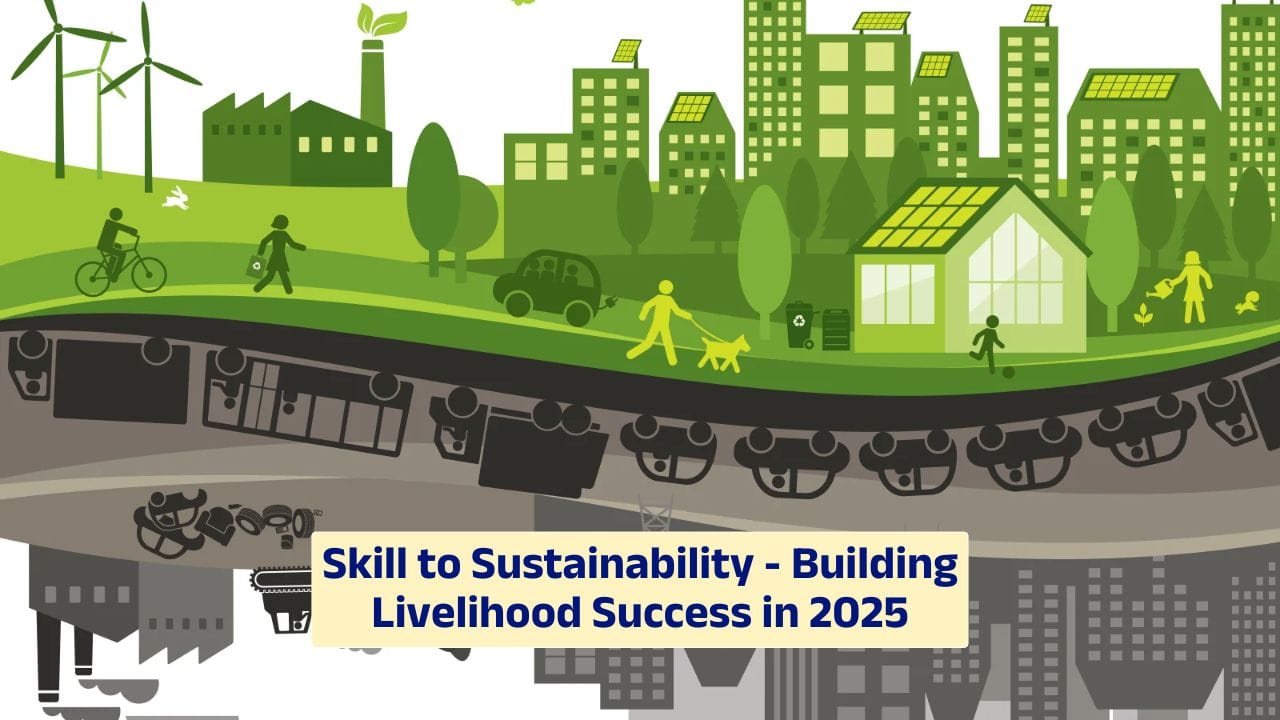
In today’s fast-changing world, skill training has become more than just a stepping stone—it’s the foundation for sustainable livelihoods. In 2025, the link between learning a skill and building a stable income is clearer than ever. With the rise of digital platforms, gig work, green jobs, and entrepreneurship, people are rewriting their career stories one skill at a time.
Gone are the days when a college degree was the only route to success. Now, practical skills—whether in coding, carpentry, design, or digital marketing—are opening up real income opportunities. What’s exciting is how these skills are not only helping people find jobs but also build long-term, resilient livelihoods.
Let’s look into how skill training is transforming lives and leading to sustainable success in 2025.
Shift
The job market has shifted. Companies now value what you can do over where you studied. Skill-based hiring is on the rise, and vocational training is finally getting the respect it deserves.
From rural villages to urban tech hubs, people are choosing hands-on training programs that offer quicker, more affordable, and often more relevant paths to employment.

In short, skills are the new currency of work.
Access
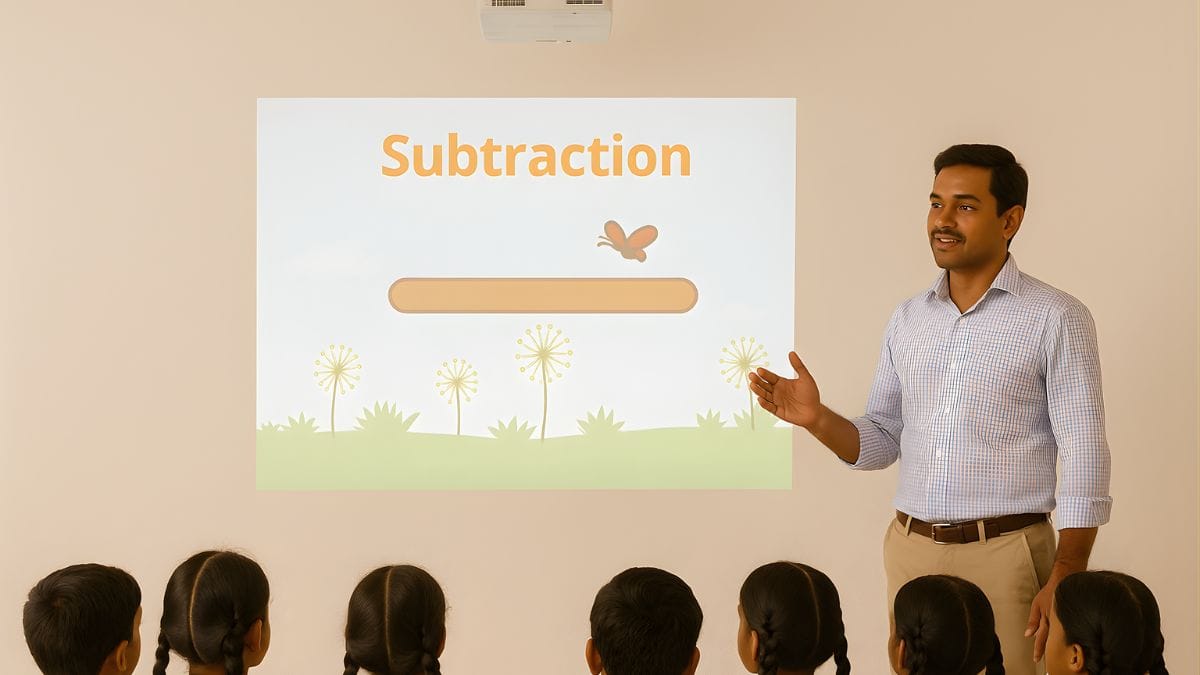
Thanks to online learning platforms and government initiatives, access to skill training is no longer limited to a few. Platforms like Coursera, Skillshare, and local training centers are bringing professional-level education to every corner of the world.
Many governments and NGOs are stepping in to offer subsidized or even free courses in areas like agriculture, IT, healthcare, construction, and renewable energy. This opens doors for people who once had no way to pursue formal education.
Demand
Certain industries are booming with demand for skilled workers. Here’s a look at where the opportunities are in 2025:
| Industry | High-Demand Skills |
|---|---|
| Green Energy | Solar panel installation, EV repair |
| Tech & IT | Web development, cybersecurity |
| Healthcare | Elder care, medical tech support |
| Construction | Plumbing, masonry, electrical |
| Agriculture | Organic farming, food processing |
| Digital Marketing | SEO, social media, content writing |
These sectors are not just hiring—they’re growing fast and offering long-term career potential.
Stories
Real success stories are everywhere. A woman in a small town learns tailoring through a three-month program, then starts her own boutique. A former factory worker retrains as a solar technician and now installs panels across his region. A college dropout takes an online course in UX design and lands a remote job with a global startup.
These aren’t rare exceptions anymore—they’re becoming the norm.
Sustainability
The key word in all this is sustainability. A job is great. But a livelihood that grows, adapts, and supports families over time—that’s the real win.
Skilled individuals can freelance, launch micro-businesses, or move up in their trades. They become economically independent and less vulnerable to layoffs or changing markets. This kind of livelihood doesn’t just survive—it thrives.
Support
Of course, success doesn’t happen in isolation. Support systems matter. The most effective skill programs in 2025 are those that offer:

- Mentorship and guidance
- Real-world practice through apprenticeships
- Job placement assistance
- Soft skills training like communication and teamwork
- Financial literacy to help manage earnings
When these elements come together, skill training becomes a complete package—not just education, but empowerment.
Future
Looking ahead, skill development will continue to evolve with AI, automation, and global shifts. Lifelong learning will be the norm. People will need to keep upgrading, adapting, and expanding their skills to stay relevant.
But the good news? The tools are already in our hands. All it takes is one course, one mentor, or one opportunity to start down a path that leads to stability and growth.
In 2025, the message is simple: a skill is more than just a talent—it’s a ticket to a better life. And when supported with the right systems, it creates not just income, but impact.
FAQs
What is a sustainable livelihood?
A livelihood that provides stable income and adapts over time.
Which skills are most in demand in 2025?
Green energy, IT, healthcare, construction, and digital marketing.
Can online courses lead to real jobs?
Yes, many offer certifications and job placements.
Is vocational training better than college?
It depends, but for many, it’s faster, cheaper, and more practical.
How can I start learning a new skill?
Use platforms like Coursera, local centers, or government programs.