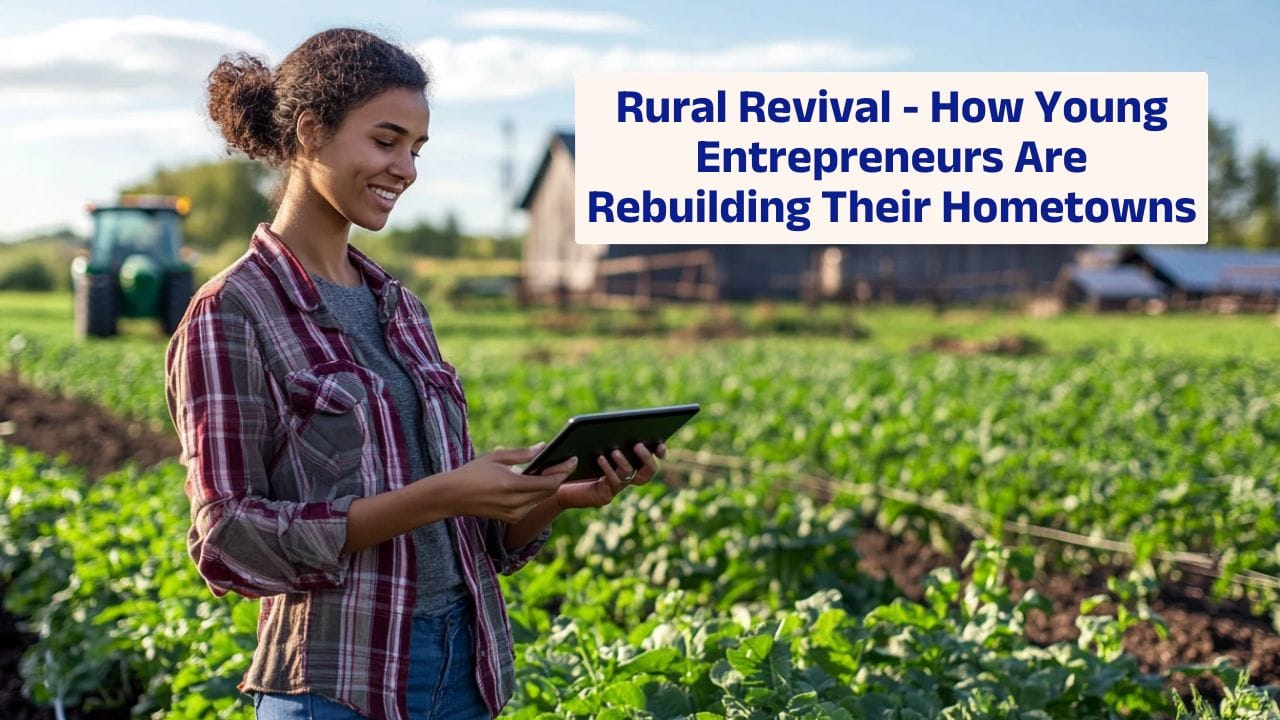
Rural towns often get labeled as places of decline—places young people leave, not return to. But that story is changing. All over the world, young entrepreneurs are breathing new life into the towns they once called home. With fresh ideas, digital tools, and a strong sense of community, they’re turning forgotten places into thriving hubs of innovation and growth.
Shift
For years, the trend was clear: young people left rural areas in search of better jobs, education, or excitement. But now, many are choosing to stay—or come back. Why? Because they see potential where others see problems. These entrepreneurs aren’t just launching businesses. They’re launching movements.
With the rise of remote work, e-commerce, and digital marketing, it’s now possible to build successful ventures from just about anywhere. That means you don’t need to be in a big city to make a big impact.
Motivation
What drives these young change-makers to invest in their small towns? Several reasons:
- Desire to give back to their roots
- Lower startup costs compared to cities
- Gaps in the local economy they can fill
- Stronger sense of purpose and belonging
Many say the slower pace and tight-knit communities give them a better work-life balance. Others feel they’re part of something bigger—reviving a community that raised them.

Ventures
Young rural entrepreneurs are launching a wide variety of businesses. From tech startups to eco-tourism, from artisanal products to digital services, there’s no shortage of creativity.
| Business Type | Examples |
|---|---|
| Agriculture | Organic farms, farm-to-table delivery |
| Tech & Digital | Web design, social media consulting |
| Retail & Artisanship | Handmade crafts, clothing brands |
| Tourism & Hospitality | Guesthouses, guided tours, food trucks |
| Social Enterprises | Community hubs, youth training programs |
These ventures don’t just bring in money—they create jobs, keep resources local, and attract visitors. In some towns, one young entrepreneur’s idea has sparked a domino effect, inspiring others to start their own.
Impact
The impact of this rural revival goes beyond economics. It brings hope. It reshapes how rural communities see themselves. Schools stay open. Young people have a reason to stay. Elderly residents feel more supported. And outsiders start seeing rural areas as full of promise, not problems.
There’s also a powerful cultural shift. These entrepreneurs often blend traditional values with modern thinking—honoring the past while building the future.
Challenges
Of course, it’s not all smooth sailing. Young rural entrepreneurs face unique challenges:

- Limited access to funding
- Fewer mentorship opportunities
- Gaps in digital infrastructure
- Skepticism from older generations
But here’s the twist—they’re resourceful. Many turn to crowdfunding, online courses, and peer networks to fill the gaps. And slowly, communities and governments are catching on, offering more support and incentives.
Support
Support systems make a huge difference. Here’s what helps them succeed:
- Local grants and funding programs
- Coworking spaces and incubators in small towns
- Internet connectivity improvements
- Mentorship networks linking urban and rural professionals
Collaboration is key. When local leaders, educators, and older entrepreneurs team up with the younger generation, real change happens faster—and lasts longer.
Future
Rural revival isn’t just a feel-good trend—it’s a sustainable model for community development. As climate change, housing costs, and lifestyle shifts push people to rethink where they live and work, rural areas are becoming attractive again.
And with young entrepreneurs leading the charge, these places are evolving into smart, resilient, and connected communities. The countryside is no longer just where people retire. It’s where innovation grows from the ground up.

So, the next time you hear someone say, “There’s nothing happening in small towns,” tell them to look again. Because there’s a quiet revolution happening—and it’s powered by the passion of youth.
FAQs
Why are young people returning to rural towns?
They see business opportunities and want to give back.
What kinds of businesses are popular?
Farms, tech services, crafts, tourism, and social projects.
What challenges do rural entrepreneurs face?
Funding, digital access, and limited mentorship.
How can communities support young founders?
Through grants, training, and better infrastructure.
Is rural revival a long-term trend?
Yes, it offers a sustainable path for local growth.