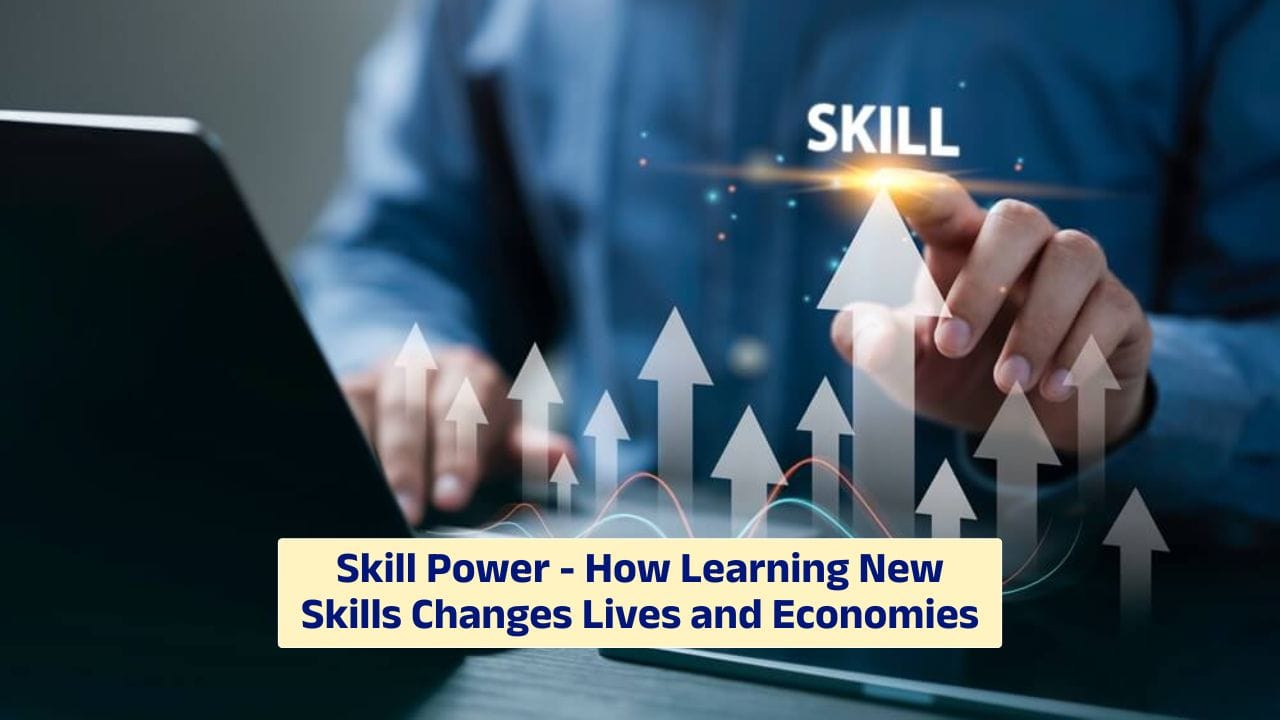
In today’s fast-paced world, it’s no secret that having the right skills can open doors to better jobs, stronger incomes, and brighter futures. But skill development goes beyond just landing a good job—it’s transforming entire communities and economies.
From coding bootcamps to vocational training, people are empowering themselves like never before. Let’s look into how developing skills is changing lives and shaping a stronger, more resilient economy.
Opportunity
Skill development creates real opportunities. Think about someone who learns digital marketing, plumbing, or graphic design. Suddenly, they can start freelancing, launch a small business, or apply for better-paying roles. It’s like unlocking a new level in life.
For those without access to traditional education, skills training offers a second chance. Whether you’re 18 or 48, it’s never too late to learn something that can boost your confidence, increase your income, and give you financial freedom.
Mobility
One of the most powerful outcomes of skill development is upward mobility. When people improve their skillsets, they don’t just find better jobs—they move up the social and economic ladder.

Take someone working a low-wage job. With the right training—maybe in software development or HVAC repair—they can pivot into a completely new career. And once that happens, they often inspire others around them to do the same.
Economy
Skilled individuals aren’t just helping themselves—they’re fueling entire economies. When more people are trained and ready to work, businesses grow faster, unemployment drops, and innovation skyrockets.
Let’s break it down:
| Benefit | Impact on Economy |
|---|---|
| Lower Unemployment | More people working = higher GDP |
| Higher Wages | Better spending power |
| Business Growth | Skilled workers drive progress |
| Innovation | New ideas, products, and services |
Countries that invest in upskilling their workforce tend to experience stronger and more stable growth. That’s why governments and companies are pouring resources into training programs and technical education.
Access
Online platforms have changed the game. Now, anyone with internet access can learn everything from coding to carpentry. Platforms like Coursera, Udemy, and Khan Academy are giving people the power to learn at their own pace and from anywhere in the world.
This increased access helps level the playing field. No longer is skill development reserved for those in big cities or elite schools. With just a smartphone, people in remote areas can gain the skills they need to thrive.
Empowerment
Learning a new skill can be life-changing. It’s not just about money—it’s about confidence. People feel more in control of their future when they know they have something valuable to offer.
For example, women in underserved communities who gain sewing or coding skills often go on to start their own businesses. That ripple effect builds self-esteem, independence, and even inspires the next generation.
Challenges
Despite all the progress, challenges still exist. Not everyone has equal access to training. Some communities lack internet, funding, or local training centers. Others may face cultural or systemic barriers that limit their ability to participate.
Also, not all skills are treated equally in the job market. Some industries still undervalue vocational or creative skills compared to academic degrees. Changing that mindset is part of the larger transformation.
Future
As automation and AI reshape the job market, the need for new skills will only grow. Jobs that didn’t exist 10 years ago—like data analyst or drone operator—are now booming. The future belongs to those who keep learning.
Governments, educators, and employers must all play a role in building an adaptable workforce. Lifelong learning is no longer optional—it’s essential for personal growth and economic survival.
When we invest in skills, we’re not just teaching people how to work—we’re showing them how to thrive.
FAQs
What is skill development?
It’s learning practical skills that improve job prospects and income.
Why is skill training important?
It opens better job opportunities and boosts confidence.
Can I learn new skills online?
Yes, platforms like Coursera and Udemy offer flexible learning.
How does skill development help the economy?
It reduces unemployment and supports business growth.
Who benefits from skill development?
Everyone—from students to workers—can benefit and grow.