Life in rural areas often comes with its own set of challenges—limited job opportunities, lack of access to quality education, and migration to cities in search of work. But vocational training is quietly transforming that story.
It equips people with practical, hands-on skills that open doors to employment, entrepreneurship, and self-reliance. In places where options feel limited, vocational education becomes a lifeline, helping individuals and communities break the cycle of poverty and build brighter futures.
Access
In many rural areas, formal education is either out of reach or doesn’t align with real-world job needs. That’s where vocational training steps in. It offers a more direct path to employment, with programs that are shorter, more affordable, and focused on specific trades like carpentry, tailoring, welding, farming, plumbing, or basic computing.
Training centers are increasingly being set up closer to rural communities, making it easier for people to access skills without having to move to cities. And with the rise of mobile training units and online learning, even remote villages are getting connected to new opportunities.
Employment
One of the biggest advantages of vocational training is its direct link to jobs. These programs are designed based on actual market needs, so the skills people learn are often in high demand.

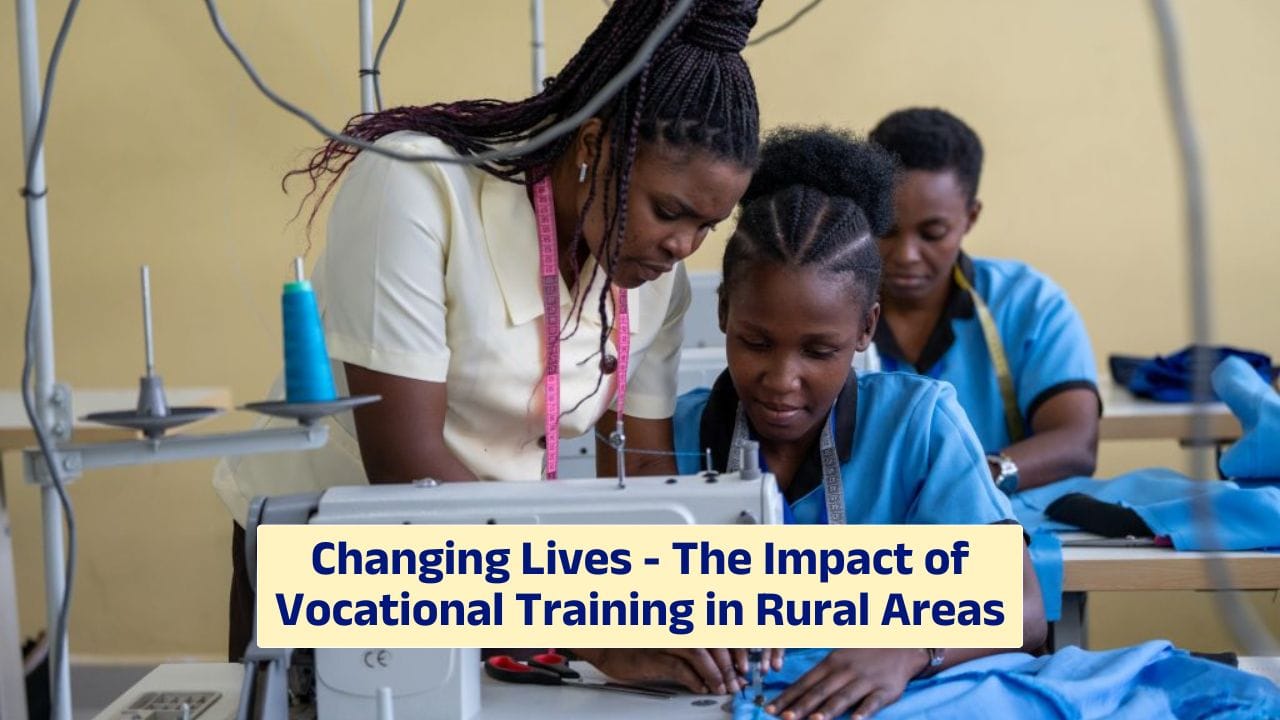
For example, a young person trained in solar panel installation can find work as renewable energy expands. A woman trained in tailoring can start her own clothing business from home. A man trained in masonry can land construction jobs in nearby towns. These are real, tangible outcomes that create income and reduce unemployment.
Here’s a quick look at popular vocational trades and their common job paths:
| Trade | Common Job Roles |
|---|---|
| Carpentry | Furniture maker, construction work |
| Tailoring | Home-based stitching, boutiques |
| Electrical Work | Local electrician, appliance repair |
| Plumbing | Construction, home repair services |
| Agriculture Skills | Farming tech, agri-business |
| Computer Training | Data entry, cyber café operator |
Entrepreneurship
Vocational skills don’t just lead to jobs—they also create entrepreneurs. Many trainees go on to start small businesses in their villages. A trained beautician opens a salon. A trained welder builds gates and tools for locals. These businesses provide income not just for the owner but for others they may hire as they grow.
In rural areas, where formal employment may be limited, self-employment is often the most sustainable path. Vocational training lays the foundation for that independence.
Migration
Lack of work in villages often pushes young people to move to crowded cities in search of jobs. But with the right skills, many can now find opportunities closer to home. This reduces migration and keeps families and communities intact.

Plus, those who do choose to migrate are better prepared. They arrive in cities with job-ready skills, making it easier to find employment and avoid exploitation.
Empowerment
Vocational training is especially empowering for women in rural areas. Many of them have limited access to education and few job options. With skill-based training, they gain confidence, income, and respect within their communities.
Whether it’s tailoring, beauty services, or digital skills, these trainings provide women with tools to build their own futures—on their own terms.
Community
When more people in a rural area become skilled, the whole community benefits. Local businesses grow. Services improve. Young people feel hopeful. Crime goes down. The economy becomes more self-sufficient.
Vocational training often leads to stronger local economies because money stays in the village instead of flowing to urban centers. It creates a ripple effect that touches every aspect of daily life.

Support
Many vocational programs now come with support services—like job placement assistance, soft skills training, and access to microloans or toolkits. These added supports help people transition from training to employment more smoothly.
Some NGOs and government programs also provide mentoring, allowing new trainees to learn from experienced professionals and business owners.
Vocational training is more than just learning a trade—it’s about unlocking potential, creating independence, and building a better future. In rural areas, where opportunities are often scarce, this kind of education changes lives.
It keeps communities together, lifts families out of poverty, and gives people the dignity of self-reliance. And in a world where practical skills are always in demand, that’s a lesson worth spreading far and wide.
FAQs
What is vocational training?
It teaches practical job skills like carpentry, tailoring, or plumbing.
How does it help rural areas?
It creates jobs, reduces migration, and boosts local businesses.
Can women benefit from it?
Yes, it empowers rural women with skills and income.
Does it reduce city migration?
Yes, skilled individuals find work in or near their villages.
What jobs come from training?
Jobs in trades like masonry, electrical work, and tailoring.