In many rural areas of India and beyond, villages often rely on outside support for even the most basic needs. But what if instead of providing short-term aid, we focused on helping these villages stand on their own feet? That’s exactly what many foundations are doing today.
They are not just handing out resources—they’re building systems, creating opportunities, and nurturing independence. Let’s look into how foundations are helping villages become self-sustainable, one step at a time.
Vision
It all starts with a clear vision. Foundations that work in rural areas aim for long-term change, not quick fixes. They enter villages with a plan—to empower people, not just assist them. This vision usually includes better education, health, water access, jobs, and environmental care.
But the real goal is deeper: to help villagers lead their own development. That means training, supporting local leadership, and building confidence in the community.
Livelihood
One of the first things foundations focus on is livelihood. When people earn steady incomes, everything else begins to improve. Foundations help by teaching farming techniques, promoting organic agriculture, and supporting animal husbandry.

Many also introduce self-help groups (SHGs), where villagers—especially women—can save money, get loans, and start small businesses. This not only boosts income but also gives people control over their financial lives.
Water
Access to clean and reliable water is essential for a self-sufficient village. Some foundations build check dams, rainwater harvesting systems, and community wells. Others train villagers in water management so they can maintain these resources on their own.
Water security also supports farming, which ties back to livelihood. When farmers have dependable irrigation, they can grow more, earn more, and rely less on uncertain weather or expensive alternatives.
Education
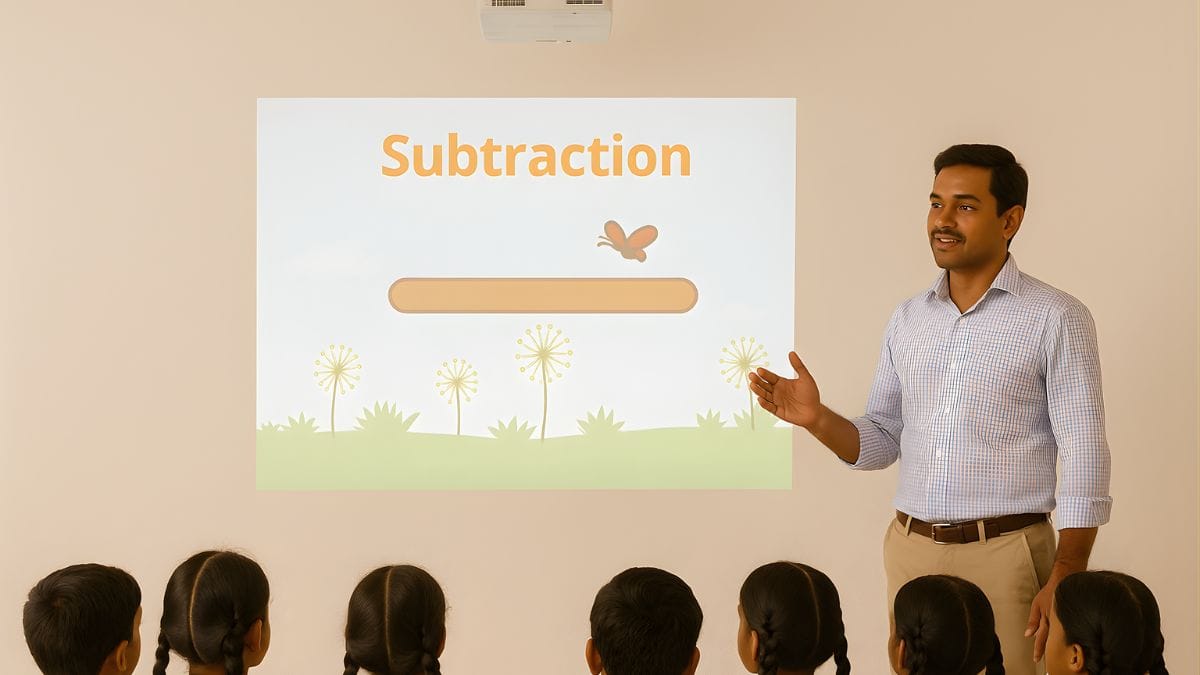
Education is one of the strongest pillars of sustainability. Foundations set up schools, train teachers, and run awareness programs for parents. Some even offer digital learning through tablets or smart classrooms.
Adult literacy programs are also popular, especially for women. When everyone in the village is educated, it opens the door to better jobs, health, and decision-making. That’s long-term impact, not just temporary support.

Health
Health is often overlooked, but it’s critical for any community to thrive. Foundations build health centers, offer mobile clinics, and train local health workers. This ensures that villagers don’t need to travel miles for basic care.
They also focus on preventive health—clean drinking water, sanitation, nutrition, and vaccination awareness. A healthy village is a strong village, and health knowledge is a form of self-reliance.
Women
No village can grow without involving its women. Foundations work closely with women’s groups to ensure they are part of every plan. They train women in leadership, finance, health, and entrepreneurship.
When women are empowered, they uplift families, save wisely, and educate their children. They become role models and decision-makers. Empowering women is not just good for equality—it’s smart for sustainability.
Environment
Sustainability means protecting what you already have. That’s why many foundations help villages care for their environment. They encourage tree planting, organic farming, composting, and using clean energy like solar lights.

Villagers are also taught to manage waste and protect local water bodies. Over time, the environment supports the people, and the people protect the environment. It’s a win-win cycle.
Let’s look at how foundations contribute to self-sustainable villages:
| Focus Area | Foundation Support | Result in Village |
|---|---|---|
| Livelihood | Farming, SHGs, skill training | Steady income, job creation |
| Water | Rainwater systems, dams, training | Reliable water supply |
| Education | Schools, adult literacy, tech support | Educated and aware citizens |
| Health | Clinics, mobile health, sanitation | Better health and lower disease |
| Women | SHGs, training, leadership programs | Empowered and independent women |
| Environment | Clean energy, farming, afforestation | Eco-friendly and sustainable living |
When foundations focus on building capacity instead of dependency, the change is lasting. Villages become more than just recipients—they become leaders of their own progress.
A self-sustainable village doesn’t need outside help forever. It thrives because the people in it have the knowledge, tools, and confidence to keep going. That’s the power of good planning and community-driven support.
FAQs
What is a self-sustainable village?
A village that runs its services and needs independently.
How do foundations support village income?
They train locals in farming, crafts, and small businesses.
Why is water management important?
It supports farming and daily needs with local control.
What role do women play in sustainability?
Women lead SHGs and community decisions for progress.
Do foundations stay long-term in villages?
Usually until the village can manage on its own.