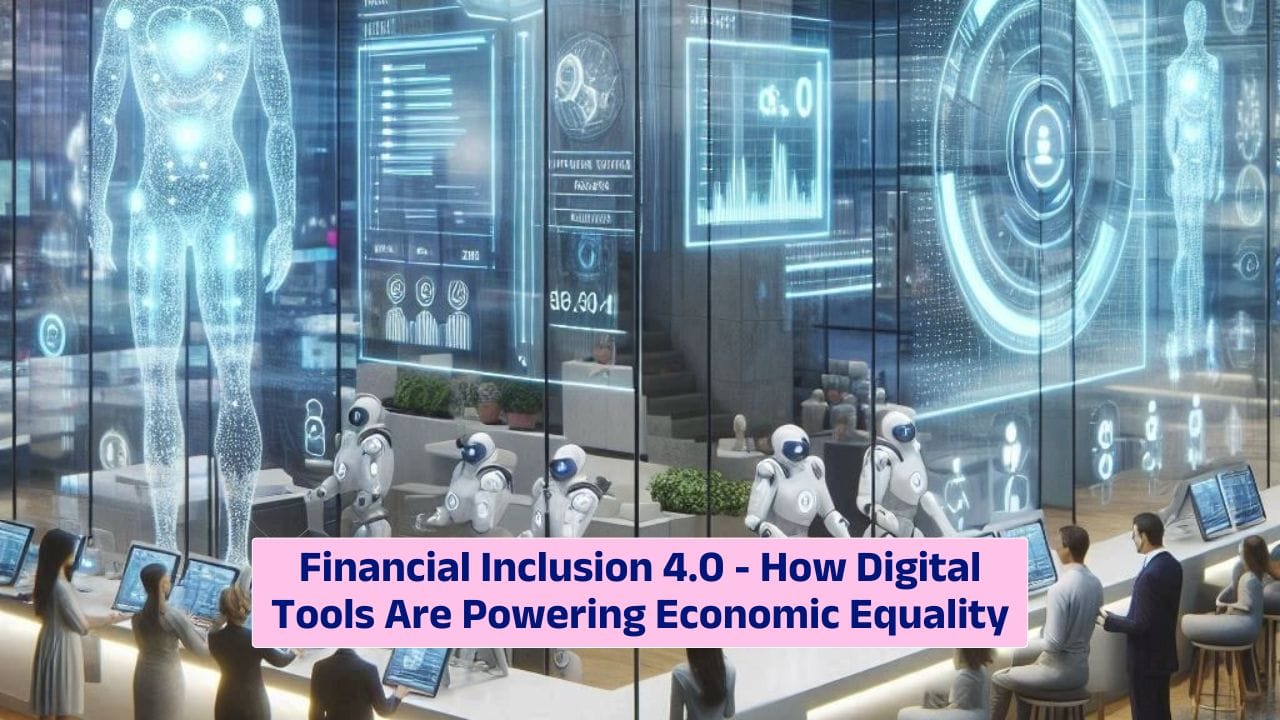
Imagine not being able to open a bank account, apply for credit, or send money to your family. For billions of people, that’s daily life. But the digital age is changing that. Financial Inclusion 4.0 is the next wave of economic empowerment—powered by smartphones, apps, and innovative tech that brings financial services to the underserved.
This new era goes beyond just giving access. It’s about making financial tools easy, affordable, and inclusive for everyone—especially for those who’ve been left out for far too long. With the right tools, people can save, invest, borrow, and build better futures.
Evolution
Financial inclusion has come a long way. The first wave focused on banking access—think opening accounts. The second brought microfinance into the spotlight. Then came mobile money like M-Pesa, which revolutionized banking in places without physical branches.
Now, we’re in the fourth wave—Financial Inclusion 4.0. It’s smarter, faster, and more connected. It uses digital identity, AI, blockchain, and data analytics to deliver financial services in ways never before possible. And it’s helping bridge the gap between rich and poor, rural and urban, connected and disconnected.
Access
One of the biggest breakthroughs in this wave is mobile access. You don’t need a traditional bank branch anymore. All you need is a smartphone and signal. Mobile banking apps, e-wallets, and USSD services make it easy for anyone to send, receive, and save money—even in remote areas.

Digital wallets like Paytm in India, GCash in the Philippines, and Alipay in China are examples of how simple apps can unlock financial power. They’re used to pay bills, buy groceries, and even take out small loans—right from your phone.
Here’s a quick comparison of traditional vs digital access:
| Feature | Traditional Banking | Digital Financial Tools |
|---|---|---|
| Location needed | Bank branch | Anywhere with mobile access |
| Setup process | Paper-heavy and slow | Quick and app-based |
| Cost to use | Often high fees | Lower or no fees |
| Service hours | Limited to business hours | 24/7 access |
Credit
Getting a loan without a credit history used to be nearly impossible. But digital lending platforms now use alternative data—like mobile usage, utility payments, and online activity—to assess creditworthiness. This opens the door for millions who were previously invisible to the financial system.
Small businesses, especially in emerging markets, are benefitting. With short-term digital loans, they can restock inventory, invest in tools, or simply keep the lights on. It’s a game-changer for local economies.
Identity
A major barrier to financial access has always been identity verification. Many people in developing countries lack formal IDs, making it tough to open accounts or apply for services. Digital ID systems are solving this problem.

Biometric IDs, facial recognition, and blockchain-based identity platforms make it easier and safer for people to prove who they are. Aadhaar in India is a great example—it’s helped millions access subsidies, banking, and insurance with just a fingerprint.
Security
With more people online, digital financial security matters more than ever. Luckily, Financial Inclusion 4.0 isn’t just about speed—it’s about safety too. Encryption, two-factor authentication, and fraud detection systems are built into most platforms to keep users safe.
Plus, financial education is becoming part of the process. Apps and platforms now offer tips, tutorials, and alerts to help users avoid scams and build good money habits.
Women
Financial inclusion is especially powerful for women. In many parts of the world, women still face barriers to owning property, earning income, or managing money. Digital tools are helping change that.
By giving women direct access to savings, loans, and payments, these tools support independence and security. When women have financial control, it benefits entire families and communities.

Future
So what’s next? Expect more AI-driven financial advisors, blockchain for secure transactions, and open banking systems that allow apps to work together. These innovations will create personalized, seamless, and affordable financial experiences for everyone.
The goal is simple: no one left behind. Whether you’re a farmer in Kenya or a freelancer in Brazil, you deserve access to the tools that help you thrive financially.
Financial Inclusion 4.0 is more than a buzzword—it’s a movement. It’s about rewriting the rules of who gets to participate in the economy. Thanks to digital tools, we’re closer than ever to a world where financial services are a right, not a privilege. And that’s a future worth building.
FAQs
What is Financial Inclusion 4.0?
It’s digital-driven access to financial tools for all.
How do mobile wallets help the unbanked?
They allow easy, low-cost banking via smartphones.
Can you get credit without history?
Yes, digital lenders use alternative data for approval.
What’s the role of digital IDs?
They help people verify identity to access services.
Why is this important for women?
It empowers them with financial control and access.