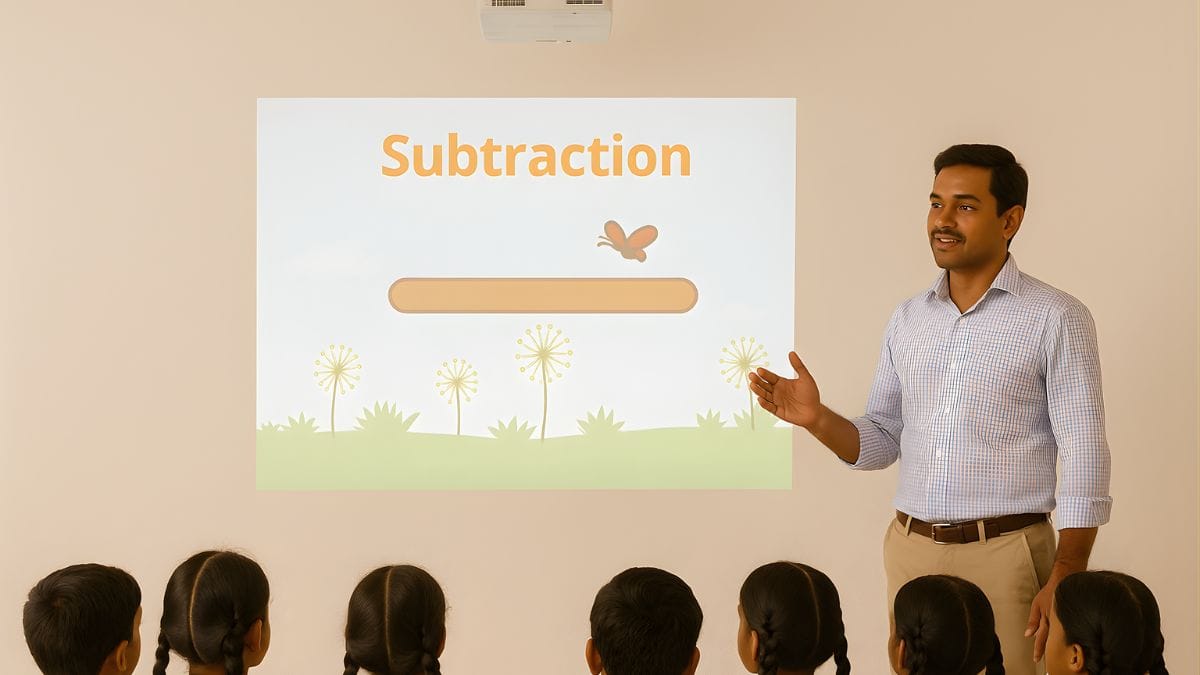
Education is more than textbooks and classrooms. It’s a tool for transformation, a pathway to opportunity, and a key to breaking cycles of poverty, inequality, and injustice. When knowledge is shared, confidence grows.
And when confidence grows, people are empowered to change not only their own lives, but their communities too. That’s the real power of education—it sparks progress from the inside out.
Meaning
Empowerment through education means giving people the tools they need to think critically, make informed decisions, and take control of their futures. It’s not just about passing exams—it’s about opening doors. Education helps people recognize their rights, speak up for themselves, and create opportunities where none existed before.
From a child learning to read, to an adult mastering new job skills, education lays the foundation for independence and self-worth. It gives people a voice—and when people have a voice, they can shape their own story.
Impact
The effects of education go far beyond the individual. Entire communities benefit when learning is made accessible. Here’s how:
| Level | Empowerment Outcomes |
|---|---|
| Individual | Self-confidence, job readiness, awareness |
| Family | Better health, increased income, informed parenting |
| Community | Civic engagement, innovation, shared knowledge |
For girls and women especially, education can be life-changing. Educated women are more likely to delay marriage, earn an income, and make decisions that benefit their families. When one girl is educated, generations after her feel the ripple effects.
Access
Of course, not everyone has equal access to education. Barriers like poverty, gender discrimination, conflict, and poor infrastructure keep millions out of the classroom.
In rural areas, schools might be far away or understaffed. In some cultures, girls are expected to stay home while boys go to school. And in conflict zones, education is often the first thing to disappear.
That’s why access matters so much. Empowerment can’t happen when education is out of reach. It’s not enough to build schools—we need to remove the social, economic, and systemic barriers that prevent people from walking through the door.
Lifelong
Learning shouldn’t stop at graduation. True empowerment through education happens over a lifetime. Whether it’s a farmer learning better crop methods, a worker training for a new job, or a senior learning to use a smartphone, education keeps people connected, relevant, and adaptable.
This lifelong approach to learning makes individuals more resilient, especially in times of change. In today’s fast-moving world, staying educated isn’t just smart—it’s necessary.
Digital
Technology is opening new doors for learning. Online courses, educational apps, and mobile access are bringing knowledge to even the most remote corners of the world. And for many who can’t attend traditional schools, digital education offers a second chance.
But digital learning must be inclusive. Without internet access or digital literacy, tech-based education can leave people behind. So, we must ensure that digital education reaches everyone—not just those who already have the tools.
Change
Education isn’t just about what you know—it’s about what you do with it. Empowered learners become changemakers. They speak up, solve problems, start businesses, build communities, and demand better systems.
From climate action to human rights advocacy, educated individuals lead the charge. They understand the issues, ask the right questions, and work toward solutions. That’s why education is often called the great equalizer. It levels the playing field and gives everyone a fighting chance.
Future
The future belongs to those who are prepared. And preparation starts with education. If we want a world that’s more equal, sustainable, and peaceful, we must invest in learning—not just as a policy, but as a way of life.
Whether it’s teaching a child to read or helping someone learn a trade, every lesson is a step toward empowerment. When knowledge becomes power, anything is possible.
FAQs
What is empowerment through education?
It’s gaining confidence and control through learning.
Why is education important for women?
It leads to independence, income, and better choices.
Can education reduce poverty?
Yes, it improves skills, jobs, and economic mobility.
What stops people from accessing education?
Poverty, gender bias, distance, and conflict.
Is digital learning part of empowerment?
Yes, when access and tools are made equal.