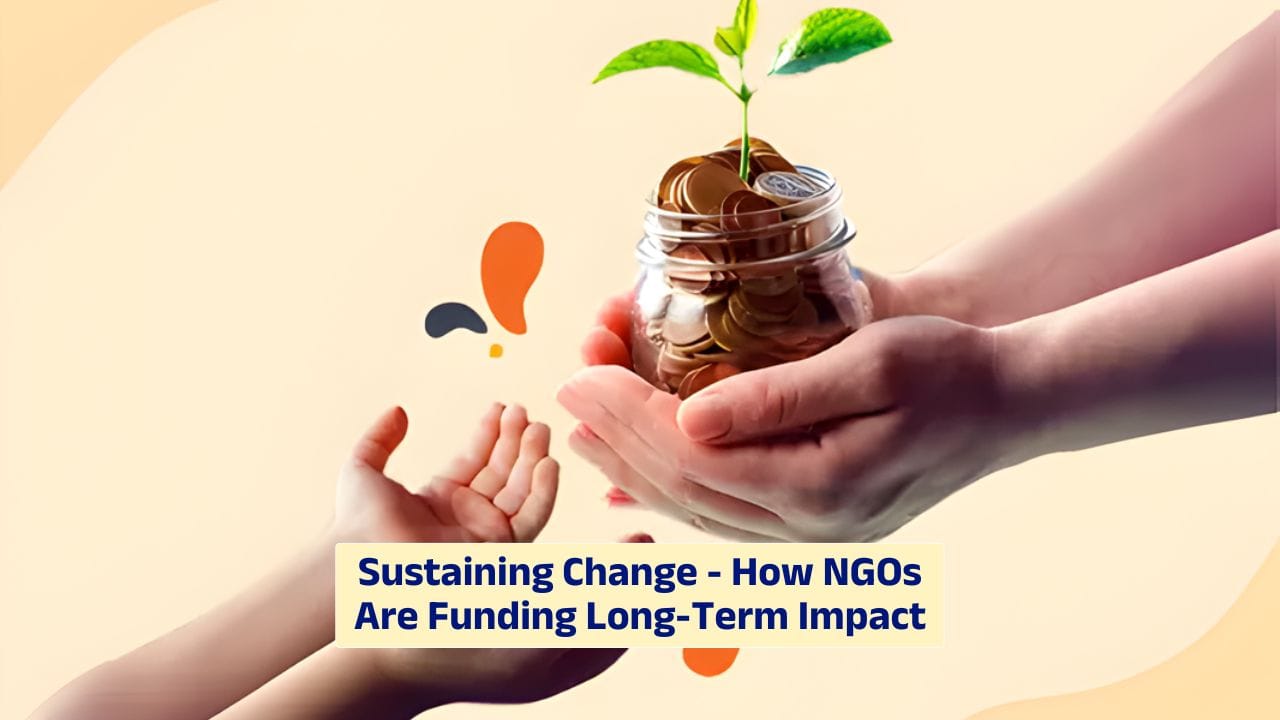
Creating lasting change takes more than good intentions. For non-governmental organizations (NGOs), long-term impact depends heavily on stable, smart funding. It’s no longer just about raising money—it’s about building financial strategies that support growth, flexibility, and resilience.
In 2025, NGOs are rethinking how they fund their missions, turning to innovative approaches that help them go beyond survival and toward sustained success.
Challenge
NGOs often face an unpredictable funding landscape. Grants run out, donor priorities shift, and emergencies can quickly drain resources. This makes long-term planning difficult. Many organizations still rely heavily on short-term funding, which limits their ability to scale or invest in systemic solutions.
The challenge is finding ways to move beyond patchwork funding and into sustainable models that allow for deeper, long-lasting change in the communities they serve.
Diversify
To reduce dependence on one source, NGOs are diversifying their income streams. This means combining traditional donor funding with earned income, corporate partnerships, and community fundraising. Some even explore social enterprise models, where they offer products or services that align with their mission.

This mixed-approach helps spread financial risk and allows NGOs to reinvest in programs without constantly chasing the next grant. It also opens new pathways for innovation, allowing them to respond to local needs faster and more effectively.
Partnerships
One growing trend is building strategic partnerships with businesses, governments, and even other nonprofits. These partnerships go beyond financial contributions—they often include technical support, co-designed programs, or shared resources.
For example, an education-focused NGO might partner with a tech company to provide digital learning tools, while a health NGO may collaborate with local clinics to expand reach. These relationships strengthen impact while sharing costs and responsibilities.
Innovation
NGOs are also turning to creative funding methods. Crowdfunding, for example, allows supporters from around the world to contribute to specific causes or campaigns. Subscription-based donations, similar to streaming services, are also gaining popularity—where donors give monthly in exchange for updates or small rewards.
Others are tapping into blockchain and digital wallets to reach tech-savvy global donors. Innovation in funding is helping NGOs move away from reactive fundraising toward proactive, community-driven campaigns.

Reserves
Another focus is on building financial reserves. This might seem basic, but it’s often overlooked in the nonprofit world. Having emergency funds allows NGOs to navigate disruptions without pausing critical programs.
Strong reserves give breathing room to experiment, take calculated risks, and invest in staff and infrastructure. They also give funders confidence that the organization is well-managed and future-ready.
| Funding Strategy | Purpose |
|---|---|
| Diversified Income | Reduces risk and builds flexibility |
| Strategic Partnerships | Shares resources and expands reach |
| Monthly Giving Models | Ensures steady cash flow |
| Innovation & Tech | Taps into new donor bases |
| Reserve Funds | Builds stability and risk resilience |
Transparency
Sustainable funding is also linked to trust. NGOs that are transparent about how funds are used are more likely to retain and grow their donor base. This means clear reporting, regular updates, and showing real-world impact.
Donors want to know their contributions matter. Sharing stories, data, and behind-the-scenes insights builds that connection and keeps support strong over time. The more open an NGO is, the more likely it is to create loyal champions who give and advocate long-term.
Scale
With stable funding, NGOs can do more than just maintain—they can grow. Scaling successful programs to new communities, investing in technology, or building better infrastructure all become possible when there’s financial strength behind the mission.

Long-term funding gives NGOs the power to think beyond the next month or year. It enables them to set bigger goals, measure broader outcomes, and lead systemic change, not just short-term fixes.
Future
Looking ahead, the future of NGO funding lies in creativity, collaboration, and long-term thinking. The organizations that thrive will be those that treat funding not just as a lifeline, but as a strategic tool.
As global challenges grow more complex, NGOs need the financial capacity to respond, adapt, and lead. By funding the future wisely, they’ll be able to deliver the deep, lasting impact the world so urgently needs.
FAQs
Why do NGOs need long-term funding?
To sustain impact, grow programs, and handle future risks.
What is diversified funding for NGOs?
It means using multiple income sources to reduce dependency.
How do partnerships help NGOs?
They provide resources, expertise, and shared project support.
Are tech tools helping NGO fundraising?
Yes, crowdfunding, apps, and blockchain expand donor reach.
What builds donor trust long-term?
Transparency, impact updates, and responsible fund use.