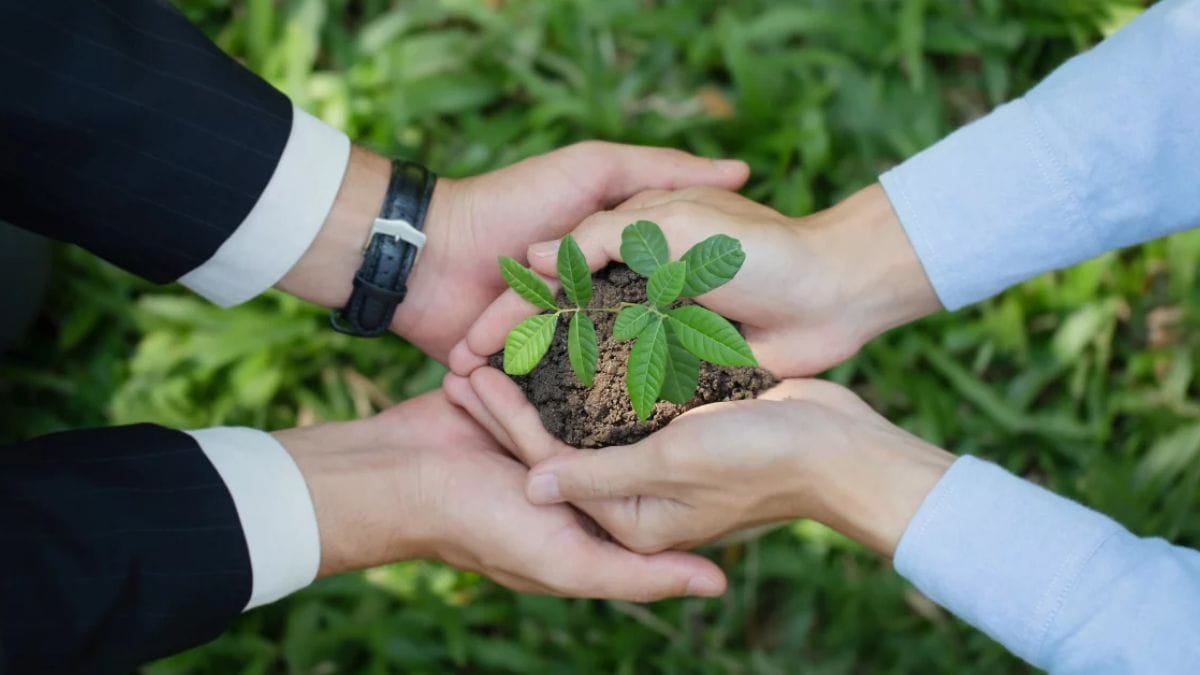
Giving back has long been linked with charity. It’s what we know—dropping coins into donation boxes, fundraising for local causes, or volunteering during the holidays. But here’s the thing: charity, while noble, often offers a temporary fix.
What communities truly need is long-term, self-sustaining growth that doesn’t depend on someone else’s goodwill. That’s where sustainable models come in—models that create real, lasting change from within.
Mindset
To shift from charity to sustainability, we need a mindset change. Charity assumes one party has and the other lacks. But sustainable growth? It’s built on the idea that communities, regardless of their current struggles, hold value, skills, and potential. It’s not about giving to the needy—it’s about working with them.
This means treating communities as partners instead of beneficiaries. It’s about empowering people to drive their own development rather than waiting for external help. The shift in mindset is crucial, because without it, even the best sustainable models will fail.
Models
So, what does a sustainable model for community growth look like? Let’s break it down. Unlike charity, these models are designed to solve root problems rather than symptoms. They might include:

- Social enterprises: These are businesses that reinvest profits into solving social problems.
- Cooperatives: Member-owned businesses that share profits and decision-making.
- Community-led development: Locals identify their own challenges and lead solutions.
- Microfinance: Small loans that empower entrepreneurs to grow their businesses.
Each of these models focuses on enabling people to help themselves. When locals are in charge, they’re more invested—and that means better outcomes long-term.
Ownership
Ownership is powerful. When people have a stake in something, they’re more likely to care for it, nurture it, and grow it. One of the key flaws in traditional charity is that recipients often don’t feel that sense of ownership.
Take, for instance, a school built by a foreign NGO. It might be beautifully constructed, but if locals weren’t involved in planning or building it, it might sit unused. Compare that to a school built by the community, with support and training from outside experts. It’s likely to be maintained and valued, because it belongs to them.
Skills
Real empowerment comes from skills. Giving people the tools to build their futures is more valuable than handing out aid. Whether it’s financial literacy, farming techniques, or digital skills, education unlocks opportunity.
Training programs that teach practical, income-generating skills often outperform traditional aid in the long term. A community bakery staffed by local women trained in baking and business is far more sustainable than donated food packages every month.

Finance
Access to finance is another game-changer. Microfinance institutions, community banks, and saving groups can offer small but crucial loans that help individuals start businesses, pay school fees, or invest in equipment.
What makes this sustainable is the repayment structure and local involvement. Instead of waiting for donations, these models recycle funds within the community. One person’s repayment becomes another’s loan—it’s a loop that keeps giving.
Here’s a quick comparison between traditional charity and sustainable finance models:
| Feature | Charity Model | Sustainable Finance Model |
|---|---|---|
| Funding Source | External donors | Community and repayments |
| Recipient Involvement | Low | High |
| Long-Term Impact | Short-term fix | Lasting economic growth |
| Dependency Risk | High | Low |
Collaboration
No community can thrive alone. Collaboration—between NGOs, local governments, businesses, and the people themselves—is essential. Each brings something to the table.
NGOs can offer technical expertise. Governments can create enabling environments. Businesses can provide investment and job opportunities. But it’s the community members who must drive the wheel. If collaboration isn’t inclusive, it becomes a top-down solution all over again.
Examples
Let’s look at some real-life examples:
- Grameen Bank in Bangladesh: Pioneered microfinance and empowered millions of women entrepreneurs.
- Green Belt Movement in Kenya: Founded by Wangari Maathai, this community-led tree planting initiative empowered rural women while restoring the environment.
- Mondragon Corporation in Spain: A federation of worker cooperatives that shows how employee ownership can build economic resilience.
These aren’t one-off charity cases. They’re systems built to grow, evolve, and serve future generations.
Technology
In today’s world, technology is a key ally. Mobile banking helps remote villages access financial services. E-learning platforms train youth in digital skills. Crowdfunding connects global supporters with local initiatives.
By harnessing tech, communities can leapfrog traditional development barriers. The internet becomes a bridge, not a wall.
Creating sustainable models for community growth isn’t just a trend—it’s a necessity. While charity has its place, it’s not a long-term solution. True impact comes when communities are in the driver’s seat, equipped with skills, supported by finance, and backed by partnerships. It’s not about giving more. It’s about giving smarter.
FAQs
What is a sustainable community model?
It’s a growth-focused system where communities drive their own development.
How is charity different from sustainability?
Charity offers short-term aid, while sustainability builds long-term solutions.
What are social enterprises?
Businesses that use profits to solve community or social problems.
Why is ownership important in development?
Ownership boosts responsibility, care, and long-term success.
How does microfinance help communities?
It provides small loans to support business and financial independence.