Ever wondered how artificial intelligence is shaping the world around us—not in flashy robots or sci-fi movies, but in everyday life? The answer lies in something powerful yet practical: AI for development. This isn’t about high-tech gadgets for the elite. It’s about smart solutions that help real people in real communities live better, safer, and more connected lives.
From farming to healthcare to education, AI is transforming how communities grow and thrive. Let’s unpack how AI is becoming a tool for positive development and how it’s helping build smarter, more resilient communities.
Purpose
So, why use AI for development in the first place? The answer is simple: it helps solve big problems faster and smarter. Think of AI as a super assistant—it can sift through tons of data, find patterns, and offer insights humans might miss.
In development, this means AI can help predict food shortages, monitor disease outbreaks, or improve access to education. It gives communities tools to respond to challenges before they become crises.
Rather than replacing people, AI enhances decision-making, speeds up processes, and improves accuracy. It’s not about taking control—it’s about giving control back to communities.
Sectors
AI is already working behind the scenes in many key areas. Let’s break down some of the ways it’s making a real impact:
| Sector | AI Application |
|---|---|
| Agriculture | Crop monitoring, pest prediction, smart farming |
| Healthcare | Disease detection, diagnosis, patient tracking |
| Education | Personalized learning, translation tools |
| Public Safety | Crime mapping, emergency response |
| Environment | Climate modeling, pollution monitoring |
In agriculture, AI helps farmers know when to plant, water, or harvest. In healthcare, it can detect diseases like malaria or tuberculosis earlier than traditional methods.
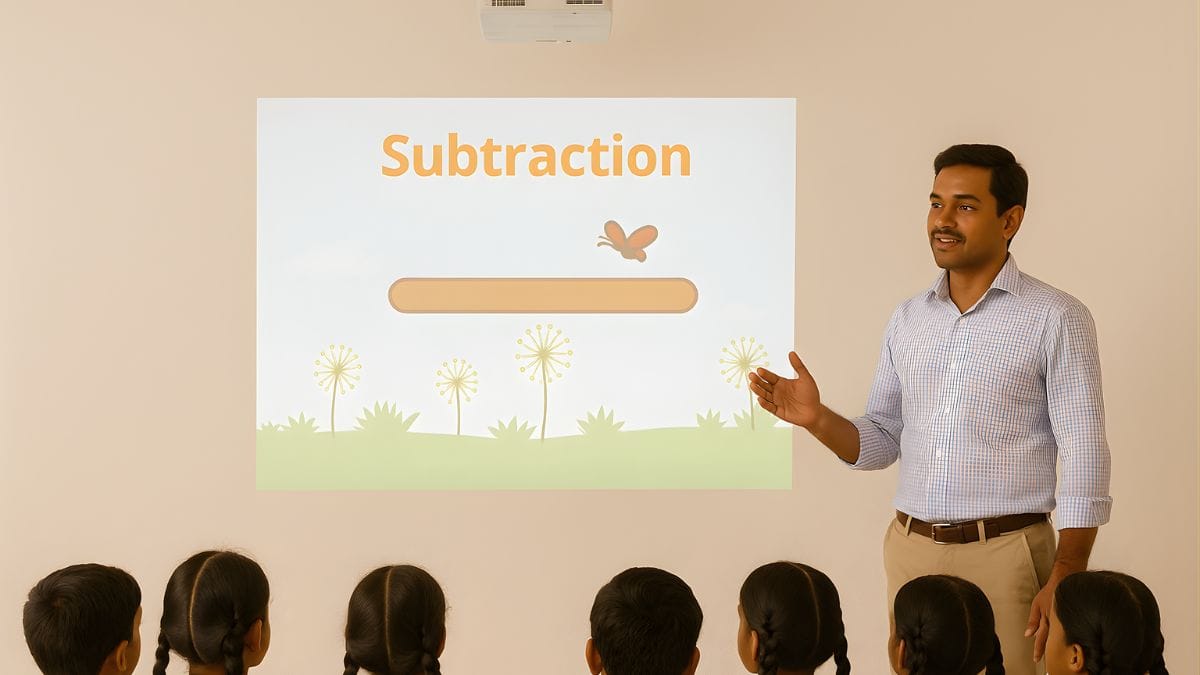
In education, AI-driven tools provide custom learning experiences—even in low-resource areas. AI can also break language barriers, helping students learn in their native language.
Access
Now, you might be thinking, “This all sounds great, but is it accessible?” That’s a fair question—and a big challenge.
AI can only support development if communities can actually use it. That means affordable internet, mobile devices, and digital literacy are essential.

Luckily, smartphones and mobile networks are becoming more widespread, even in rural areas. With the right training and local support, communities can harness AI tools tailored to their needs.
Also, many organizations are now creating open-source AI tools that are free to use, making this tech more inclusive and community-friendly.
Challenges
Of course, it’s not all smooth sailing. Like any tool, AI has its limitations and risks.
One major concern is bias. If the data fed into AI systems is flawed or unfair, the outcomes will be too. This could lead to incorrect decisions that hurt rather than help.
Privacy is another issue. AI often relies on sensitive data like health records or personal information. Protecting that data is critical.

And then there’s the risk of over-reliance—trusting AI too much without human oversight. AI should guide decisions, not make them alone.
Local
One of the coolest things about AI in development? It works best when it’s local.
Local developers, nonprofits, and community leaders are starting to build AI solutions specifically for their regions. Whether it’s a chatbot that helps farmers in Kenya or an app that alerts communities in India about floods, local AI is often the most effective.
Why? Because locals know their problems better than anyone else. When AI is developed by or with communities, it becomes culturally relevant, more trusted, and better at solving real issues.
Future
So, where do we go from here? The future of AI for development looks bright—but only if it stays people-centered.
With ongoing collaboration between governments, tech companies, and grassroots organizations, AI can become a force for fairness, not just efficiency.
Expect to see more tools that work offline, apps that run on low-cost phones, and AI trained in native languages. The focus will shift from cutting-edge tech to practical solutions.
The real magic of AI won’t be in making machines smarter—it’ll be in helping communities become smarter, stronger, and more self-reliant.
AI has the potential to become one of the most powerful tools in global development. Not because it replaces people—but because it empowers them.
Whether it’s helping farmers grow more food, kids learn better, or cities respond to disasters, AI is proving to be more than just a buzzword. It’s becoming a bridge to a better future. And the best part? That future is being built by communities, for communities—one smart tool at a time.
FAQs
What is AI for development?
It’s using AI tools to solve real-world community problems.
How does AI help farmers?
It predicts weather, pests, and boosts crop yields efficiently.
Is AI affordable for poor regions?
Yes, many open-source and mobile AI tools are now available.
Can AI replace human workers?
No, it supports people by enhancing decision-making, not replacing them.
Is AI safe for communities?
It can be, with proper data protection and fair training.