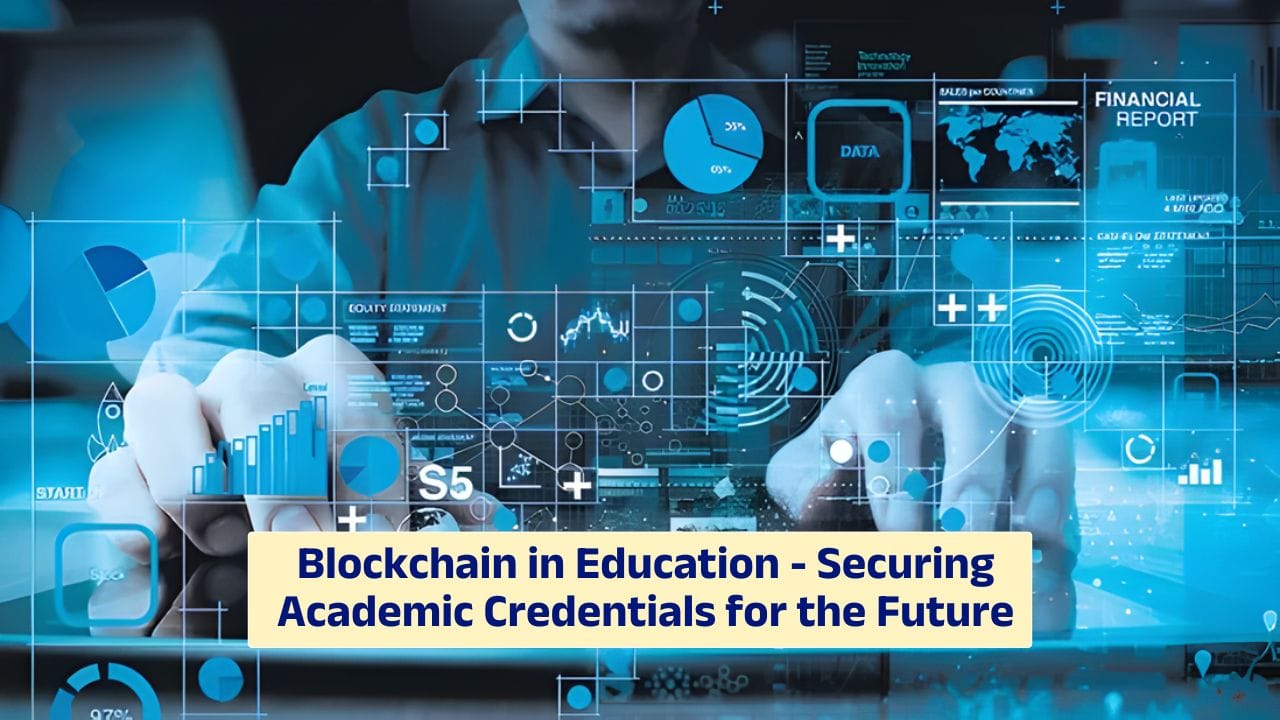
Education is changing fast. But while learning has gone digital, the way we handle academic credentials is still stuck in the past. Think paper diplomas, transcripts that take weeks to verify, and fake degrees floating around the internet.
That’s where blockchain comes in. This powerful technology could revolutionize how we issue, verify, and share academic records—making credentials secure, accessible, and globally trusted.
Basics
So, what is blockchain? At its core, it’s a digital ledger. It stores information in a way that can’t be changed or hacked. Once data is entered, it’s locked in and verified by a network of computers. That makes it perfect for storing things like grades, diplomas, and certificates.
Unlike traditional databases, blockchain is decentralized. There’s no single authority that controls the data. It’s secure, transparent, and permanent. That’s exactly what education systems need in a world where credentials are increasingly digital and global.
Problems
Right now, verifying academic records is a mess. Students moving between schools or countries often face delays or need to prove their credentials with stamped papers. Employers and institutions waste time contacting universities just to check if a degree is real.
And let’s not forget diploma fraud. Fake certificates are sold online, making it hard to know who’s telling the truth. In some places, this has become a full-blown industry. Blockchain could stop that cold by offering a tamper-proof way to validate academic history.
Benefits
Blockchain brings a ton of advantages to the education world:
| Benefit | What It Means |
|---|---|
| Instant Verification | No more waiting days or weeks for credential checks |
| Fraud Prevention | Tamper-proof records eliminate fake degrees |
| Global Portability | Students can take verified records anywhere |
| Cost Efficiency | Cuts administrative time and paperwork |
| Lifetime Access | Records stored securely and permanently |
With these benefits, blockchain could make education more fair, efficient, and trustworthy.
Platforms
Several platforms are already turning this idea into reality. Let’s look at some of the leading examples:
| Platform | Key Use | Used By |
|---|---|---|
| Blockcerts | Digital certificates | MIT, University of Bahrain |
| Learning Machine | Secure digital records | Governments and universities |
| TrueRec | Credential sharing for job seekers | IBM and partner companies |
| ODEM | Education marketplace + blockchain | Global learning institutions |
These systems allow institutions to issue blockchain-based credentials directly to students, who can then share them with employers or schools worldwide.
Access
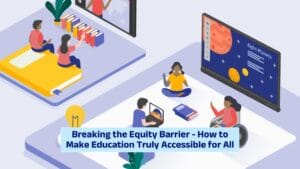
One major win with blockchain credentials is accessibility. Students no longer need to contact their university to get a copy of their transcript. They can access it instantly, from anywhere.
This is especially helpful for students in developing countries or conflict zones, where records may be lost or difficult to retrieve. With blockchain, your achievements follow you no matter where life takes you.
It also levels the playing field. Students without fancy connections or paperwork still have proof of their skills and knowledge.
Challenges
Of course, no technology is perfect. There are hurdles to overcome:
- Not all schools are ready for the shift
- Privacy concerns need strong data protection
- Training and infrastructure take time
- Standardization is still a work in progress
Still, these are growing pains. The benefits far outweigh the challenges, especially as more governments and institutions come onboard.
Future
The future of blockchain in classrooms looks promising. We could soon see a world where your entire learning history—from kindergarten to college—is stored on a single secure platform. Need to prove your skills to a recruiter in Germany? No problem.
Micro-credentials, skill badges, and even course completions can all be verified instantly. It’s not just about degrees anymore—it’s about lifelong learning.
As education becomes more global, digital, and skill-based, blockchain may become the glue that holds it all together.
Blockchain isn’t just a buzzword—it’s a game-changer. From fighting fraud to giving students control over their academic records, it’s paving the way for a more connected and trusted education system. In a world where credentials need to be portable, secure, and real-time, blockchain might be the smartest student in class.
FAQs
What is blockchain in education?
It’s a secure way to store and verify academic records digitally.
Can blockchain stop fake diplomas?
Yes, blockchain creates tamper-proof and verifiable credentials.
Which schools use blockchain?
MIT, University of Bahrain, and others use blockchain for records.
Are blockchain credentials accessible worldwide?
Yes, they can be shared instantly across the globe.
Is blockchain safe for student data?
Yes, when designed correctly, it ensures high data security.