Education is supposed to be the great equalizer, right? But let’s be real—millions of children and young adults around the world still can’t access quality education. Whether it’s due to poverty, location, gender, or even the lack of internet, the barriers are real, and they’re holding people back. So, how do we break these barriers and make sure education is a right, not a privilege?
Let’s cut into how we can make education not just available, but equitable and truly universal.
Access
Access is the starting point. If a child can’t get to a school—whether physically or digitally—learning simply doesn’t happen. In rural areas, schools can be miles away, with no roads or transport. In other parts of the world, digital access is missing. You can’t Zoom into a class if you don’t have Wi-Fi or a device.
Bridging the gap starts with building infrastructure—schools, roads, and digital connectivity. Governments and private sectors can work together to fund rural schools and bring internet access to underserved areas. Without access, everything else is just theory.
Affordability
Even public education isn’t always free. Uniforms, books, exam fees, and transportation costs add up. And for families struggling to afford daily meals, education often takes a backseat. Affordability is a major piece of the equity puzzle.
What helps? Scholarships, meal programs, and financial aid. Countries that have implemented free education policies often see higher enrollment and retention rates. When families don’t have to choose between dinner and school fees, education becomes a real possibility.
Inclusion
It’s not enough to offer a school seat if the system isn’t inclusive. Think of children with disabilities, girls in patriarchal societies, or children from minority communities. They’re often pushed to the margins or excluded completely.
Inclusive education means more than building ramps. It means training teachers, changing curriculums, and adjusting mindsets. Everyone should feel seen, heard, and respected in a classroom, no matter their background or abilities.
Quality
Access alone doesn’t guarantee a good education. What’s the point of going to school if the teachers are undertrained, the materials are outdated, or the classes are overcrowded?
Improving quality starts with teacher support—fair pay, training, and resources. Technology also helps personalize learning, especially for students falling behind. Education should prepare kids for the real world, not just exams. That means teaching skills, not just subjects.
Technology
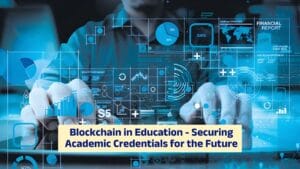
Tech is a game-changer when it comes to breaking education barriers. It can reach remote areas, provide personalized learning, and keep education going during crises like pandemics. But here’s the catch—not everyone has equal access to it.
Digital education needs digital equity. That means affordable internet, devices for every student, and tech training for teachers. Otherwise, we just create a new digital divide.
Let’s take a look at how tech can bridge the education gap:
| Challenge | Tech Solution |
|---|---|
| Remote locations | E-learning platforms |
| Lack of teachers | AI tutoring, online classes |
| Outdated materials | Interactive digital content |
| Pandemic disruptions | Virtual classrooms |
Policy
Governments play a huge role in leveling the playing field. They decide funding, create policies, and set the tone for what education should look like. Yet, many still underinvest in public education or prioritize elite schools over general access.
Good policies make a difference. Think of free primary education, compulsory schooling laws, or gender equality mandates. When backed by action and funding, these policies transform futures.
Community
Lastly, we can’t forget the role of the community. Families, local leaders, and even students themselves can drive change. When communities value education, they push for better schools, demand accountability, and support learners.
Community-based programs, mentoring, and after-school initiatives can fill the gaps the formal system misses. Empowered communities often create the most sustainable change.
Breaking the equity barrier in education isn’t about one silver bullet. It’s about tackling every layer—access, affordability, quality, inclusion, and more. Real change happens when governments, tech innovators, communities, and educators all work together. Because in the end, education isn’t just a service. It’s a human right.
FAQs
What is educational equity?
It means fair access to quality learning for all.
How can tech improve education?
It expands access, personalizes learning, and saves time.
Why is education still unequal?
Barriers like poverty, location, and bias persist.
What’s the role of government in education?
Funding, policy-making, and setting standards.
How can I support equal education?
Donate, volunteer, or raise awareness in your area.