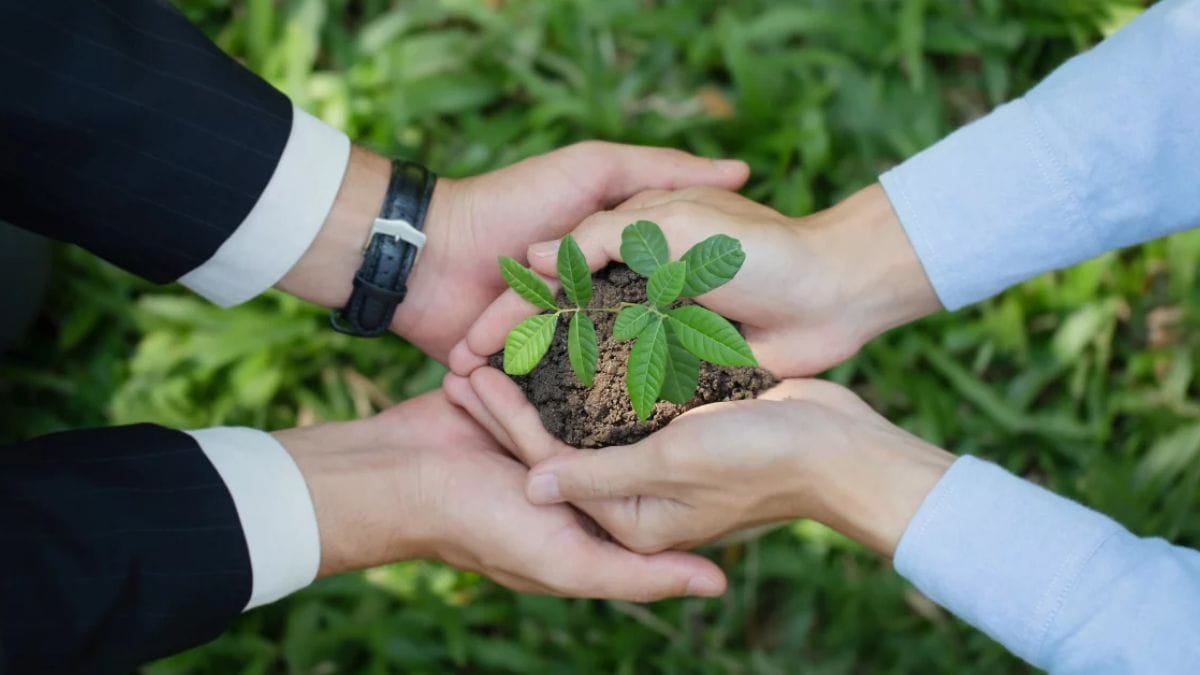
Imagine generating your own electricity and sharing it with your neighbors. Sounds futuristic, right? But it’s happening right now in neighborhoods around the world, thanks to community-owned renewable energy.
People are banding together, taking control of their power supply, and reducing reliance on big utility companies. From solar panels on rooftops to wind turbines in open fields, communities are turning clean energy into local empowerment.
Concept
Community-owned renewable energy is exactly what it sounds like—local residents collectively investing in and managing renewable energy projects. Instead of massive corporations running the show, the power literally belongs to the people.
These projects often involve solar panels, wind turbines, hydroelectric generators, or even bioenergy systems. What makes them unique isn’t the technology, but the ownership structure. The community either fully owns or co-owns the infrastructure and makes decisions democratically. It’s energy production with a human touch.
Benefits
There are tons of upsides to this model, and they go way beyond just cutting carbon.

First, there’s energy independence. Communities no longer have to rely completely on centralized power grids that might be unstable or expensive. Then comes the cost savings. After the initial investment, locally generated energy can significantly lower electricity bills.
And let’s not forget the local economy. These projects create jobs, keep money circulating within the community, and provide a steady source of income through energy sales. Plus, they build a strong sense of community pride and cooperation.
Here’s a quick breakdown:
| Benefit | Description |
|---|---|
| Lower bills | Cheaper electricity over time |
| Energy control | Local decisions and management |
| Economic boost | Jobs and revenue for the local area |
| Environmental impact | Reduced emissions and clean energy production |
| Community bonding | Stronger collaboration among residents |
Models
Not every community energy project looks the same. In fact, they come in all shapes and sizes.
- Cooperatives: Members invest in the project and share profits. Think of it as a clean energy co-op.
- Community trusts: These manage energy systems on behalf of the public.
- Municipal projects: Owned and operated by local governments for public benefit.
- Hybrid models: A mix of private and public involvement, often including crowdfunding.
The structure you choose depends on your community’s resources, size, and goals.
Challenges
Of course, it’s not all sunshine and wind turbines. Starting a community-owned energy project takes effort.
First off, there’s the financial barrier. Setting up solar panels or wind turbines isn’t cheap. You need funding, and that often means grants, loans, or community fundraising.
Then comes the legal stuff—permits, grid access, and regulations can be tricky to navigate. And let’s be honest, not everyone in the community may be on board right away. It takes time to build consensus and trust.
Finally, there’s the technical side. Not every town has a renewable energy expert hanging out at the local coffee shop. So, communities often need outside help to get things rolling.
Successes
Still wondering if this actually works? Just look at examples around the world.
In Germany, the Energiewende movement empowered citizens to take control of the country’s renewable energy revolution. Over 40% of renewable energy projects are owned by citizens or cooperatives.
In the UK, towns like Totnes and Brixton have thriving community energy models. In Denmark, wind cooperatives have been around since the ’70s.
And in the U.S., projects like the Clean Energy Co-op in Pennsylvania are bringing solar to libraries, firehouses, and nonprofits—all funded and owned by locals.
These are not just isolated wins—they show a growing global shift toward decentralized, people-powered energy systems.
Future
Community-owned renewable energy isn’t just a trend—it’s a movement. As technology gets cheaper and more accessible, more neighborhoods will hop on board.
We’re heading into a future where energy isn’t just about supply and demand, but about equity and empowerment. Imagine every town becoming its own mini power hub. That’s not just good for the planet—it’s game-changing for communities.
With the right support from policy, finance, and grassroots action, we could see millions of people owning their slice of the energy pie.
So, next time you see a solar panel or a wind turbine, think about who’s behind it. It might not be a utility company—it might just be your neighbors.
FAQs
What is community-owned energy?
It’s renewable energy owned and operated by local people.
How do communities fund projects?
Through grants, loans, or local crowdfunding.
What are the benefits of local energy?
Lower bills, energy control, and job creation.
Do I need technical skills to start?
No, but expert help is often needed initially.
Can small towns use this model?
Yes, even small communities can run local projects.