The job market is evolving faster than ever, and here’s the catch — many of tomorrow’s careers haven’t even been invented yet. That might sound like science fiction, but it’s the reality of our rapidly shifting world. So how do we prepare students for jobs that don’t even exist?
It starts with rethinking what education should actually do: not just teach facts, but build skills that last. Let’s look into how to bridge the gap between what students learn today and what the future job market will demand.
Mindset
The first thing we need to change isn’t a curriculum — it’s a mindset. Schools often focus on memorizing content, but what happens when that content becomes outdated in a few years? What students really need is a flexible, curious, and growth-oriented way of thinking.
Adaptability is now a superpower. Instead of just asking “What do you want to be when you grow up?” maybe we should ask “What problems do you want to solve?” That small shift in thinking can open the door to endless possibilities.
Skills
To prepare students for the unknown, they need core skills that transfer across industries. These include critical thinking, communication, collaboration, creativity, and emotional intelligence — sometimes called “21st-century skills.”
These aren’t just buzzwords. Imagine a student who can lead a team, pitch an idea clearly, or pivot in a crisis. Those are the students who will thrive no matter where technology or industry trends take us.
Technology
Whether we like it or not, tech is the backbone of future careers. From artificial intelligence to augmented reality, the tools students will use tomorrow are developing today. That’s why digital literacy should be treated like reading and math — fundamental.
Coding isn’t just for programmers anymore, and knowing data isn’t just for analysts. Even creative fields are tech-powered now. By introducing students to technology early and often, we help them become comfortable and confident users, not just consumers.
Innovation
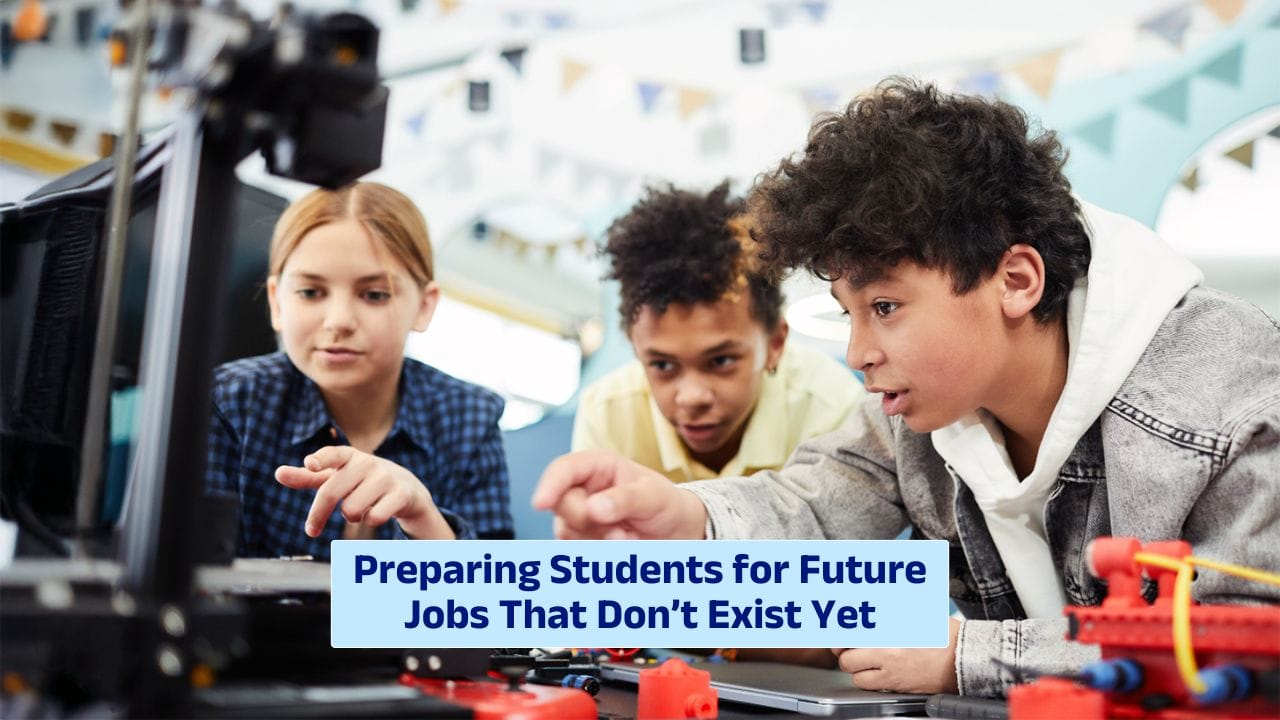
One way to prepare students for jobs that don’t exist is to teach them how to create those jobs. Innovation isn’t reserved for Silicon Valley; it can (and should) start in the classroom. Encouraging students to think like entrepreneurs helps them see opportunities, not just roles to fill.
Project-based learning, startup simulations, and maker spaces can spark the kind of creativity that leads to real-world impact. Instead of waiting for the future to happen, students can help build it.
Curriculum
If education systems want to stay relevant, the curriculum must evolve too. That doesn’t mean throwing out traditional subjects, but it does mean integrating them with real-world applications.
Interdisciplinary learning, where students tackle issues that combine science, art, math, and social studies, mirrors the complexity of actual careers. Schools should also include financial literacy, environmental awareness, and global citizenship — topics that matter in a connected world.
Partnerships
Schools can’t do this alone. Partnerships with businesses, tech firms, and even startups can expose students to current industry practices and future trends. Internships, mentorships, and guest lectures give students a taste of the real world before they graduate.
This not only helps them build relevant skills, but also lets them network early, understand the pace of innovation, and look into industries they might not have considered otherwise.
Lifelong
Here’s the truth: education doesn’t stop after school. The idea that you graduate, get a job, and stick with it for decades is fading fast. The future demands lifelong learners — people who keep evolving, learning, and adapting. =
That’s why the most important skill of all might be learning how to learn. Encouraging curiosity, experimentation, and continuous improvement from a young age sets students up for careers that are just as flexible as they are.
Balance
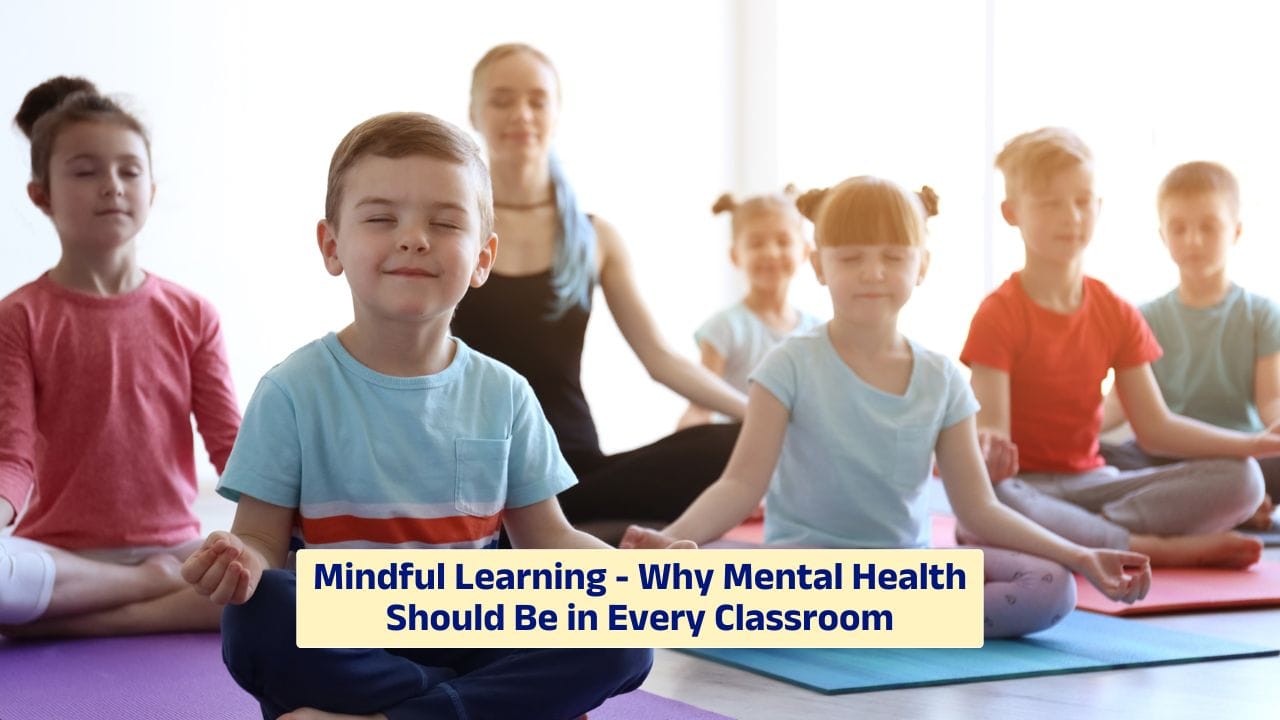
While we look to the future, it’s also important not to lose sight of the present. Kids still need time to play, build relationships, and develop emotionally. Education that pushes too hard on productivity and innovation can lead to burnout. A balanced approach that nurtures both the mind and the heart is essential. After all, future jobs will require not just smart thinkers, but also kind, resilient, and emotionally intelligent people.
As we stand on the edge of a future filled with unknown careers and technologies, one thing is clear — the traditional way of preparing students won’t cut it anymore. We need a bold, flexible, and human-centered approach to education. One that empowers students not just to fit into the future, but to shape it themselves.
FAQs
What are future-proof skills?
Skills like creativity, adaptability, and critical thinking.
Why is tech important for students?
Technology powers most future jobs and industries.
How can schools teach innovation?
By using projects, startup ideas, and maker spaces.
What does lifelong learning mean?
It means learning new things throughout your life.
How can businesses help students?
Through mentorships, internships, and partnerships.