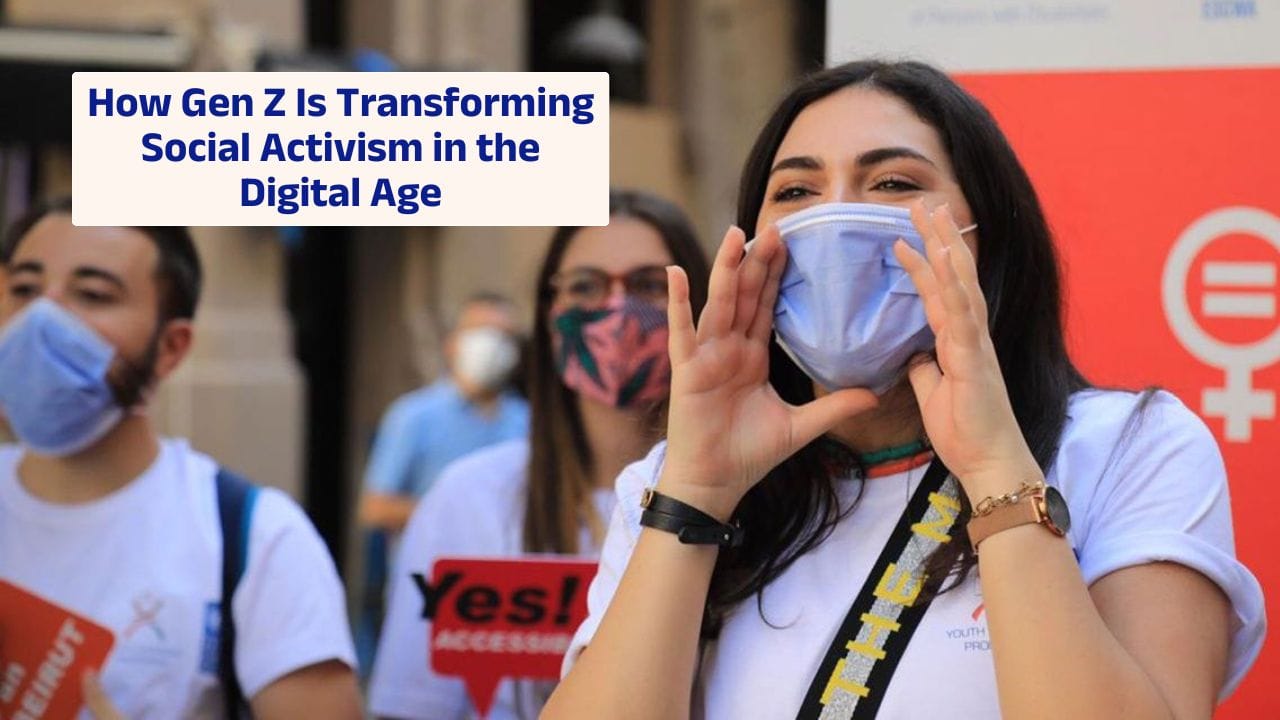
Generation Z isn’t just sharing memes and trending hashtags—they’re leading a powerful wave of modern activism that’s reshaping how we think about social change.
From climate justice to racial equality, this generation isn’t waiting for permission to speak up—they’re using digital tools, global platforms, and grassroots tactics to push forward real-world change. Welcome to Youth Activism 2.0, where being online doesn’t mean being passive—it means leading the charge.
Purpose
Gen Z has a deep sense of purpose when it comes to activism. Born between the late 1990s and early 2010s, this generation grew up watching economic shifts, political unrest, and climate crises unfold in real time. That exposure shaped a group of young people who are socially aware, empathetic, and unafraid to challenge systems they feel are broken.
They don’t just protest because it’s trendy—they’re driven by core values like equality, inclusion, and justice. Whether it’s speaking up about LGBTQ+ rights, gun reform, or mental health, they approach activism with both passion and strategy.
Platforms
Social media is Gen Z’s megaphone. Platforms like TikTok, Instagram, and X (formerly Twitter) are where digital activism explodes. But unlike older generations who may have viewed social platforms as distractions, Gen Z treats them like essential organizing tools.

TikTok trends turn into protests. Instagram infographics break down complex topics. Hashtags spark global movements. Social media isn’t the end goal—it’s the launchpad. This generation leverages it to inform, mobilize, and amplify their causes faster than any movement before them.
Tactics
This isn’t your parents’ protest playbook. Gen Z blends traditional activism with digital strategies in ways that redefine engagement. Think virtual rallies, viral petitions, meme campaigns, and influencer partnerships that draw attention to real issues.
They’re not just marching—they’re coding apps, designing graphics, organizing mutual aid, and fundraising through livestreams. They know how to get attention, but more importantly, they know how to convert that attention into action.
Here’s a quick breakdown of old vs. new activism styles:
| Activism Era | Key Tactics | Common Tools |
|---|---|---|
| Pre-Internet | Protests, flyers, phone trees | Print media, word of mouth |
| Early 2000s | Blogs, email campaigns, forums | Websites, email lists |
| Gen Z Activism | Social media, livestreams, memes | TikTok, Instagram, Discord |
Causes
Gen Z doesn’t limit themselves to one cause. They’re intersectional in their thinking—meaning they understand how different social issues are connected. A fight for racial justice often overlaps with gender equity, environmentalism, and economic fairness.
Climate change? They see it as a racial justice issue too. Mental health? That links to education, healthcare, and even housing. Gen Z doesn’t silo problems—they connect them, which makes their activism holistic and deeply impactful.
Impact
Despite their age, Gen Z is making noise in real ways. Take the global climate strikes led by Greta Thunberg, or the viral momentum behind the Black Lives Matter movement in 2020—Gen Z wasn’t just participating, they were organizing, creating content, and showing up in numbers.
They’re also influencing policy. Some are running for office, others are testifying before Congress, and many are pressuring brands and governments to change. Their activism isn’t just loud—it’s effective.
Barriers
Of course, it’s not all smooth sailing. Gen Z activists face plenty of obstacles. Online hate, misinformation, burnout, and censorship are real threats. Many young activists also juggle school, work, or family responsibilities, which adds to the pressure.
Still, they’re resourceful. When platforms shut down their accounts, they migrate. When trolls attack, they organize support systems. When they burn out, they talk openly about self-care and set boundaries. They’re redefining what it means to be a sustainable activist.

Future
So, what’s next for Youth Activism 2.0? It’s only going to grow. As Gen Z gains more influence in politics, business, and media, their activist values will continue to shape institutions. They’re already shifting corporate responsibility, driving policy debates, and pushing for representation in every space they enter.
The future of activism is digital, intersectional, and unapologetically bold—and Gen Z is leading the way.
Whether you’re part of Gen Z or just inspired by them, there’s one thing for sure: the world is changing, and these young voices are making sure it’s for the better.
FAQs
What is Youth Activism 2.0?
It’s how Gen Z uses digital tools to drive social change.
How does Gen Z use social media for activism?
They spread awareness, organize events, and amplify causes.
What causes matter to Gen Z?
Climate change, racial justice, mental health, and more.
Is Gen Z activism effective?
Yes, they’ve influenced protests, policy, and public opinion.
What challenges do young activists face?
Burnout, misinformation, online hate, and censorship.