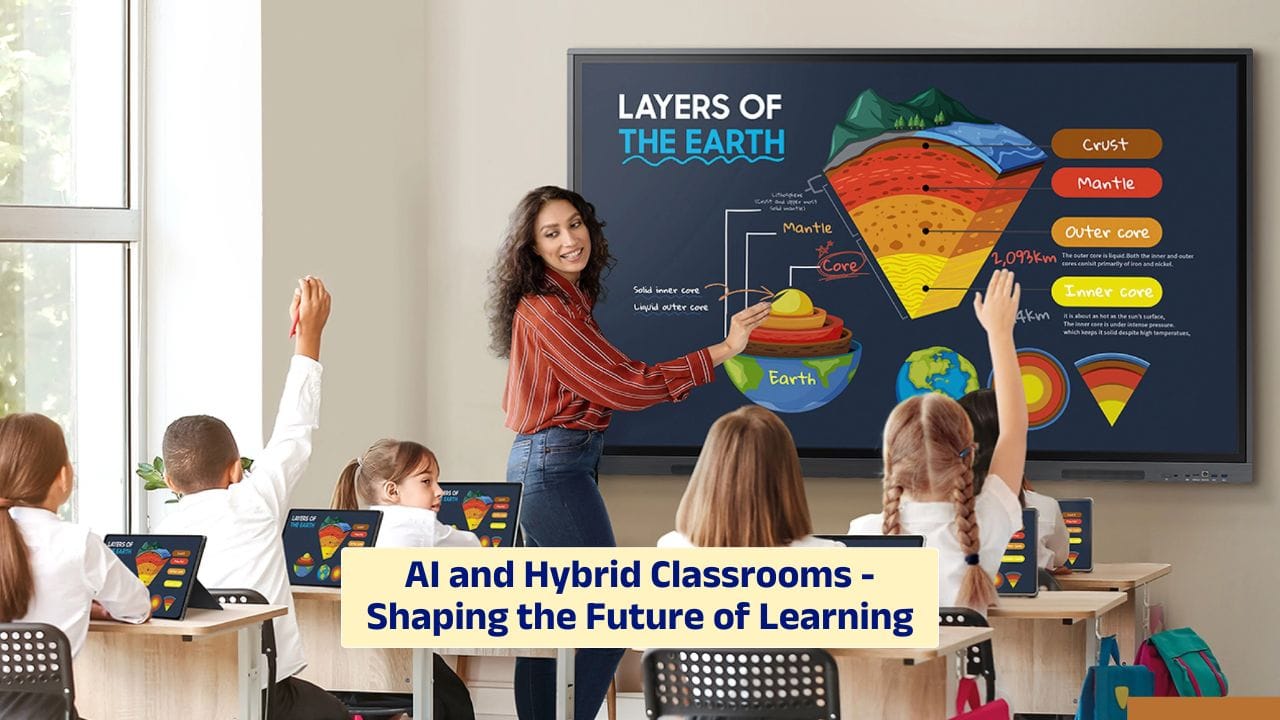
The way we learn is changing fast. Schools used to revolve around lectures, textbooks, and one-size-fits-all teaching. But today, that model just doesn’t work for everyone. Enter AI tutors and hybrid classrooms — two powerful trends reshaping education as we know it.
These innovations are creating learning environments that adjust to individual needs and provide the flexibility modern students crave. Whether it’s through virtual help or a blend of online and in-person lessons, the future of personalized learning is already here. Let’s cut into how it all works.
Evolution
Personalized learning isn’t a new idea. Teachers have always tried to meet students where they are. But in traditional classrooms, time and resources made that difficult. One teacher managing 30 students couldn’t tailor lessons for each learner. That’s where AI and hybrid models come in — they scale personalization like never before.
By combining technology with teaching, we’re finally closing the gap between what students need and what schools can deliver.
AI-Tutors
Artificial intelligence is no longer some futuristic dream. AI-powered tutors are already helping students understand tough concepts, practice skills, and get instant feedback. These systems analyze how a student learns and then adapt the material to suit their pace and style.
For example, platforms like Squirrel AI and Carnegie Learning use AI to spot knowledge gaps and adjust lessons in real time. If a student struggles with fractions, the system shifts focus to reinforce that topic until they improve.
Unlike a human tutor, AI is available 24/7, doesn’t get tired, and scales to thousands of students at once. It’s not about replacing teachers — it’s about giving them smart tools to support every learner.
Hybrid
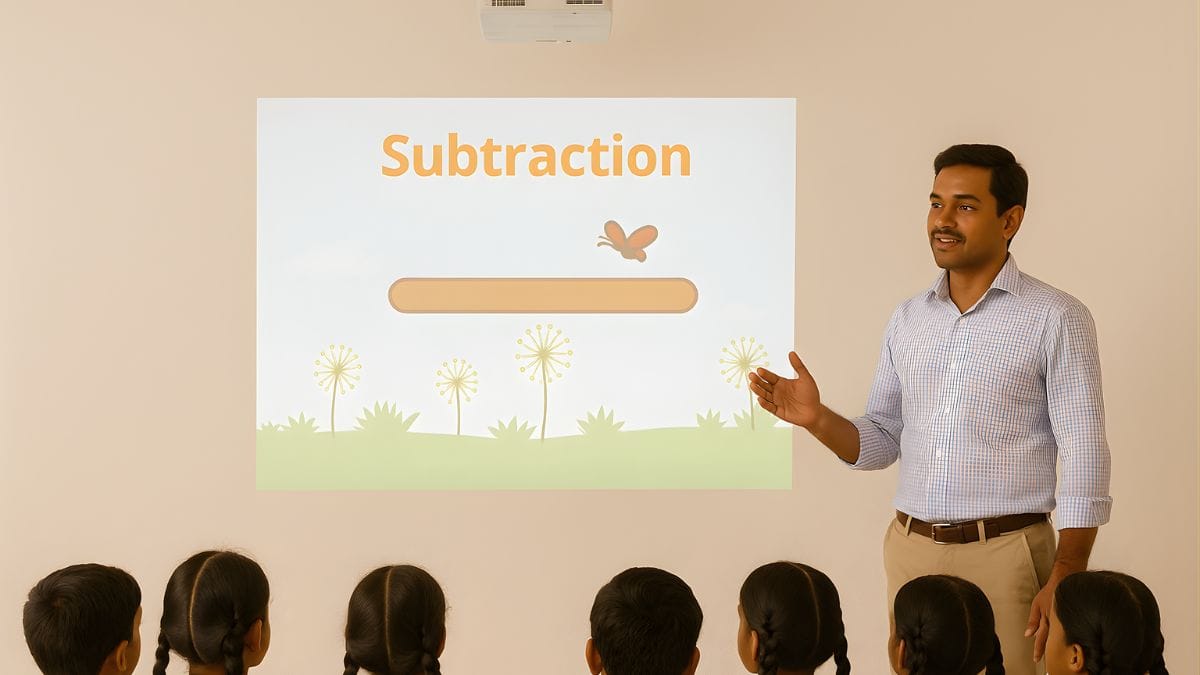
Hybrid classrooms combine the best of both worlds: face-to-face teaching and digital learning. Instead of sitting in a classroom all day or learning fully online, students do both — and it’s surprisingly effective.
Let’s say a student attends class in person twice a week and spends the other days doing online assignments, video lessons, or virtual group work. This flexibility helps students learn at their own pace while still getting the structure and social interaction of a classroom.
Teachers can also use data from online tools to track progress and adjust their in-class instruction accordingly. It’s a dynamic loop where learning is constantly being fine-tuned.
Benefits
The main advantage of AI tutors and hybrid classrooms is customization. Every student is different — some learn visually, others by doing. These new methods embrace that variety instead of fighting it.
There’s also the benefit of accessibility. Students who miss school due to illness or personal issues can keep up through online resources. Plus, those in rural or underserved areas can access top-tier learning platforms with just a device and internet.
And let’s not forget engagement. Interactive lessons, game-like challenges, and instant feedback make learning more exciting. No more staring blankly at a chalkboard while trying to stay awake.
Teachers
Some worry that AI will replace teachers, but that’s far from the truth. In fact, these tools empower educators. With AI handling the repetitive tasks — like grading quizzes or analyzing performance — teachers have more time for what really matters: connecting with students, offering support, and creating meaningful experiences.
In hybrid models, teachers take on the role of facilitators and mentors. They guide students through both digital and physical learning journeys, ensuring no one falls through the cracks.
Challenges
Of course, there are some hurdles. Not all students have access to high-speed internet or devices. Schools need funding and planning to implement tech-based solutions fairly.
There’s also the learning curve for both students and teachers. Adapting to new platforms can be frustrating at first, especially for those who aren’t tech-savvy.
Privacy and data security are also major concerns. With AI collecting large amounts of student data, schools must ensure it’s protected and used ethically.
Future
Looking ahead, expect AI tutors to become even more advanced — possibly acting like personal learning assistants that understand emotions, motivation levels, and even stress. Hybrid models may evolve into flexible ecosystems, with students learning from anywhere, anytime, at their own pace.
Education will no longer be about memorizing facts for a test. Instead, it will focus on building skills, solving problems, and preparing for a fast-changing world. AI and hybrid classrooms aren’t just a trend — they’re the foundation of a new era in learning.
By blending human connection with machine intelligence, we’re making education smarter, more flexible, and — most importantly — more personal.
FAQs
What is an AI tutor?
It’s a smart system that adapts lessons to individual students.
How do hybrid classrooms work?
They mix in-person and online learning for flexibility and support.
Do AI tutors replace teachers?
No, they support teachers by automating tasks and tracking progress.
What are the benefits of hybrid learning?
It offers personalization, flexibility, and access from anywhere.
Is personalized learning more effective?
Yes, because it targets each student’s unique learning style.