From clunky chalkboards to sleek tablets, classrooms have come a long way. But it’s not just about swapping tools — it’s about reimagining how we teach and learn. Traditional education had its charm, sure, but let’s face it: it often left little room for creativity, critical thinking, or real-world skills.
Now, in the digital age, the classroom is no longer bound by four walls or a rigid curriculum. Learning is evolving — it’s becoming personalized, accessible, and limitless. Ready to look into how we’re reinventing classrooms for a generation that learns differently?
Technology
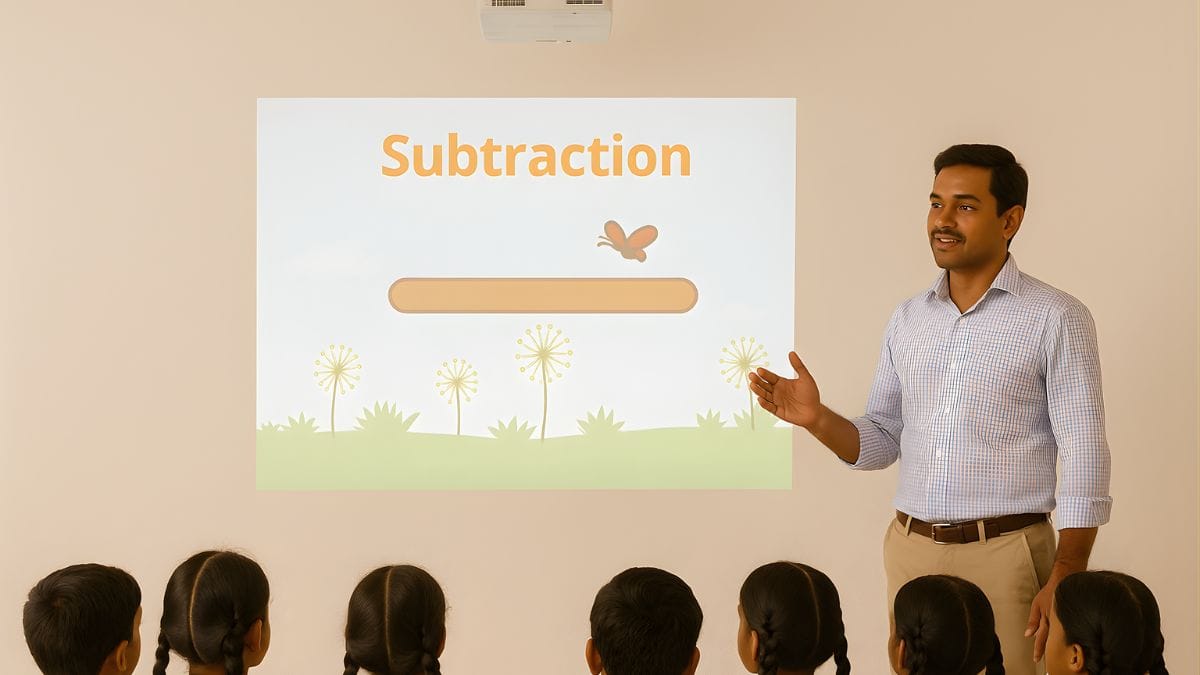
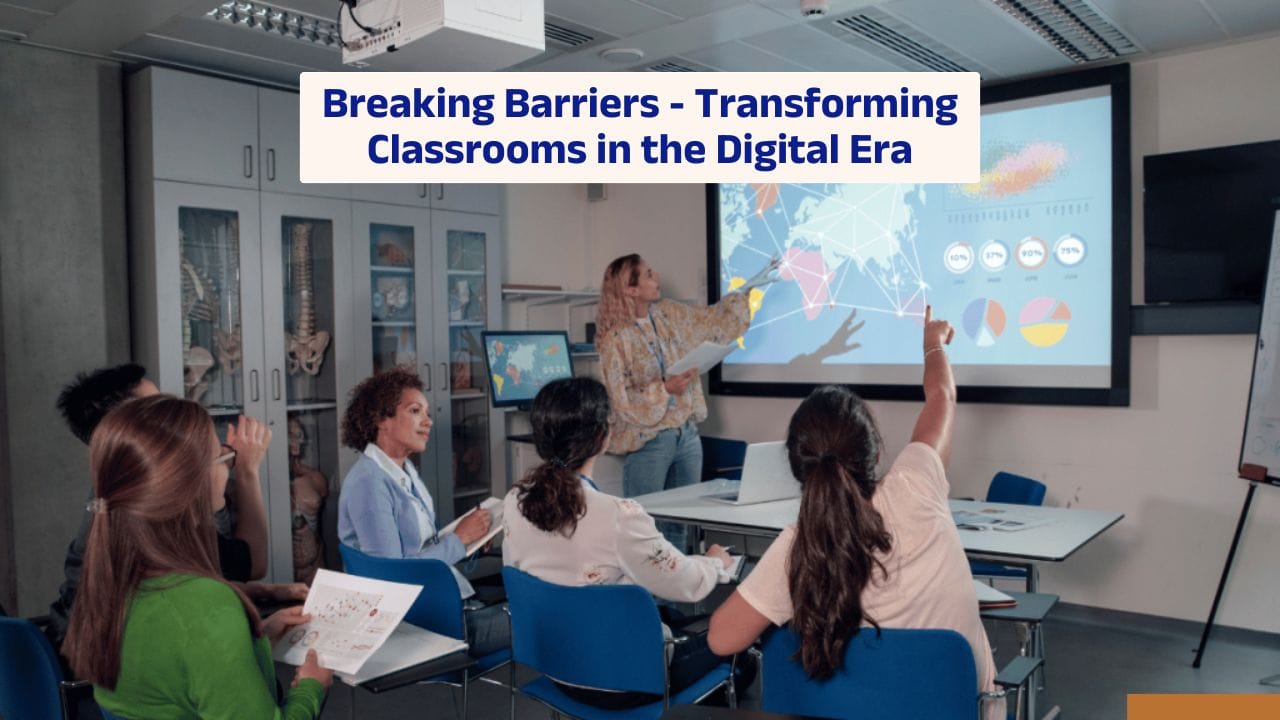
Gone are the days of overhead projectors and dusty textbooks. Digital tools like tablets, laptops, and interactive whiteboards are changing the way students absorb information. Learning management systems (LMS) like Google Classroom and Canvas help teachers organize lessons and keep students engaged, even outside school hours.
Virtual and augmented reality are also making lessons feel like adventures. Imagine studying the solar system while floating in space through a VR headset. That’s not science fiction anymore — it’s just Tuesday in a modern classroom.
Accessibility
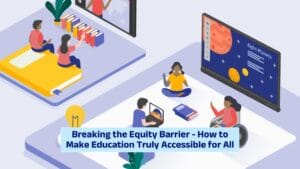
One of the biggest wins in the digital shift is inclusivity. Students with disabilities now have a wider range of tools to support their learning. Text-to-speech software, audio books, and even adaptive hardware like special keyboards or eye-tracking devices are leveling the playing field.
And let’s not forget about students in remote or underserved areas. Online education platforms can reach learners across continents. With just a smartphone and internet, a child in a village can now access the same resources as a student in a top-tier city school.
Customization
Every student learns differently. Some pick things up through visuals, others through hands-on experience, and some need to go over material multiple times. In the past, this meant some kids got left behind while others got bored. Now, thanks to AI-powered platforms, lessons can adapt in real-time to each student’s needs.
Apps like Khan Academy and Duolingo track performance and adjust difficulty, keeping learners challenged but not overwhelmed. Students get instant feedback, so they know exactly where they stand and what to work on next.
Collaboration
Group projects used to mean awkwardly squeezing around one desk and hoping someone brought markers. Now? Students can collaborate from anywhere, at any time. Tools like Google Docs, Zoom, and Slack allow them to work on shared assignments, exchange ideas, and even get feedback from international peers.
This kind of real-time, borderless collaboration builds more than academic skills — it builds communication, empathy, and global awareness.

Gamification
Let’s be honest — learning can sometimes feel like a chore. But gamification is flipping that script. Think earning badges, leveling up, or unlocking challenges. It’s the same psychology behind video games, applied to learning.
Students are more likely to stay engaged when there’s a sense of achievement and fun. Platforms like Prodigy for math or Classcraft for classroom behavior turn learning into something kids actually want to do.
Challenges
Of course, it’s not all smooth sailing. The digital divide is real — not every student has access to reliable internet or devices. There’s also the issue of screen fatigue, with kids spending hours staring at monitors.
Then there’s the learning curve for teachers. Not all educators are tech-savvy, and transitioning to digital tools can be overwhelming. Schools need to invest in training and support to help teachers feel confident using new methods.
Cybersecurity and online safety are other concerns. Students need to be taught how to navigate the internet responsibly and protect their personal data.
Future
So, where do we go from here? Hybrid learning models — mixing online and in-person teaching — are likely here to stay. These models offer the best of both worlds: the flexibility of online learning with the social and emotional benefits of classroom interaction.
AI will continue to evolve, making learning even more personalized. We might see AI tutors that understand students better than any textbook ever could. Plus, more schools are experimenting with project-based learning, where students tackle real-world problems instead of memorizing facts.
One thing’s clear: the classroom of the future isn’t a place. It’s an experience — one that adapts, evolves, and empowers students to learn without limits.
No matter where or how you learn, the goal remains the same: curiosity, growth, and a lifelong love for knowledge. Technology is just helping us get there faster, smarter, and with fewer barriers in the way.
FAQs
What is a digital classroom?
It’s a tech-enabled learning space using digital tools and platforms.
How does technology personalize learning?
AI adapts content to each student’s pace and learning style.
What tools help in remote learning?
Platforms like Zoom, Google Classroom, and Khan Academy help a lot.
What is gamification in education?
It’s using game elements to make learning more fun and motivating.
Is online learning better than traditional?
It depends on the student’s needs, style, and available resources.