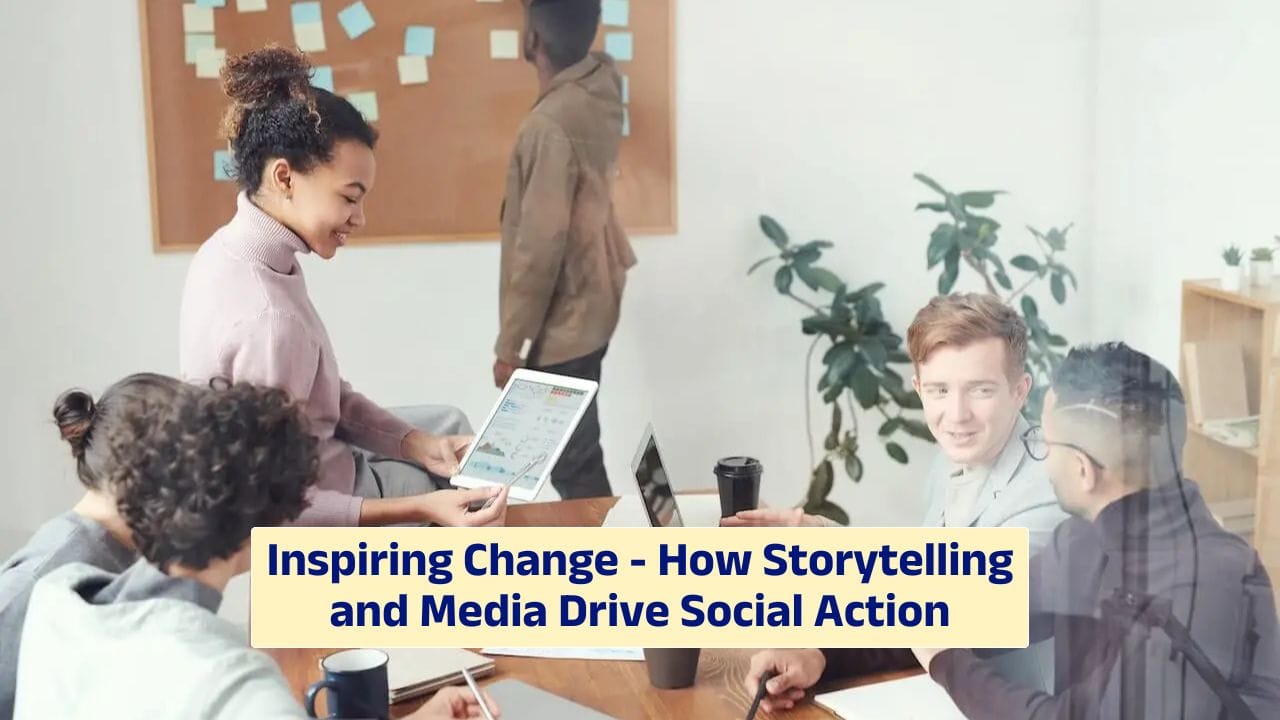
We’ve all heard a story that moved us. Maybe it was a powerful documentary, a viral short film, or even a post on social media that made us pause, reflect, and maybe even act. That’s the power of storytelling. When done right, stories can do more than entertain—they can shake us, wake us, and spark change.
In today’s world, where media is everywhere, storytelling has become one of the strongest tools we have to inspire social action. But how does it really work, and how can we use it intentionally? Let’s look.
Meaning
Storytelling for change is about using narratives—through film, audio, images, or written word—to raise awareness, build empathy, and drive people to take action.
These stories don’t just inform; they connect emotionally, often showing the human side of issues like poverty, racism, climate change, or mental health. And thanks to digital platforms, these stories now have the power to reach global audiences almost instantly.
Power
What gives storytelling such impact? It’s emotion. Facts and data might educate us, but stories move us. When you hear someone’s personal struggle or triumph, you see yourself in them. That connection creates empathy.
And empathy is often the first step toward action. Think of powerful campaigns like the “Ice Bucket Challenge” or Greta Thunberg’s school strike stories—simple yet deeply personal stories that led to massive global movements.
Mediums
Media gives stories wings. From short films and podcasts to infographics and social media reels, different formats reach different audiences. Here’s a quick breakdown:
| Media Type | Strength | Best For |
|---|---|---|
| Documentary | Deep dives, emotional connection | Complex issues |
| Podcasts | Intimate, in-depth conversations | Personal stories, expert views |
| Social Media | Viral potential, short attention | Quick awareness, youth audiences |
| Infographics | Visual, data-focused | Sharing stats and facts |
| Blogs | Reflective, personal | Storytelling with context |
The key is choosing the format that best fits your message and audience.
Voices
Authentic voices matter. Stories told by the people directly impacted carry more weight than those told about them. Media creators must prioritize representation—letting communities speak for themselves rather than being spoken for. This shifts the narrative from pity to power and allows people to own their own stories.
Youth
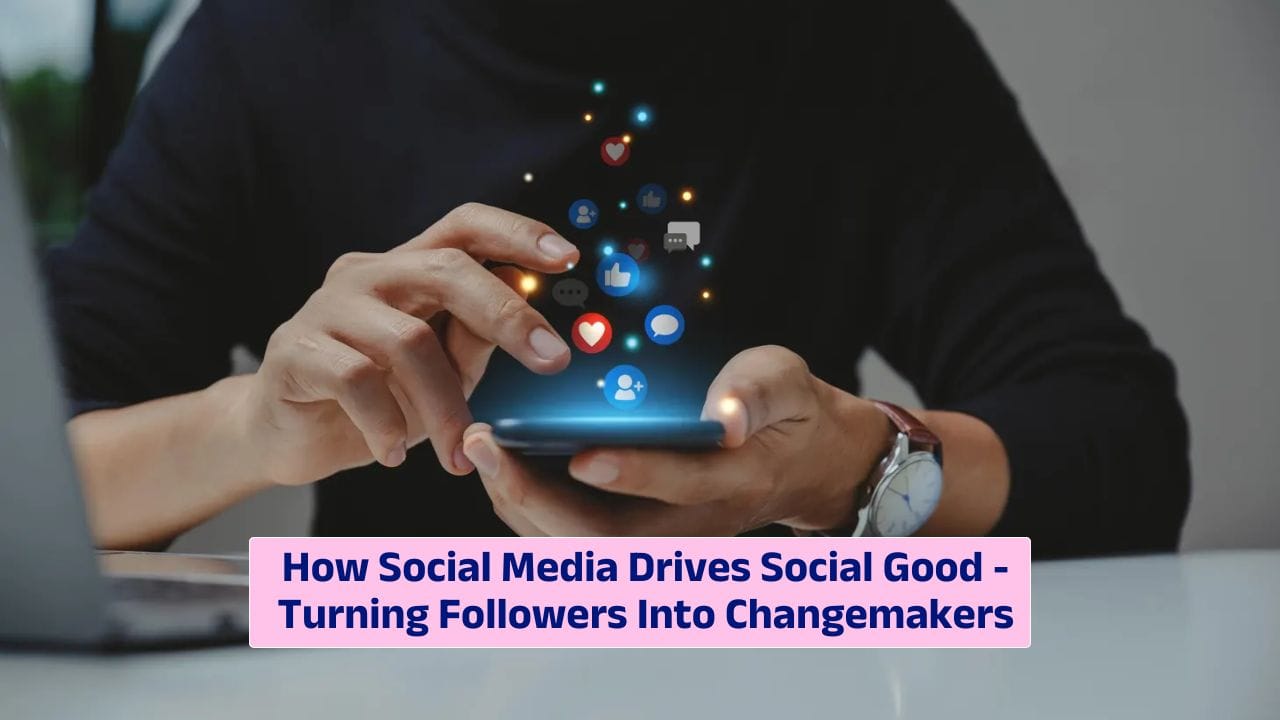
Young people are at the center of this shift. With smartphones in hand and platforms like TikTok and YouTube, they’re not just consumers of media—they’re creators. Many are using their voices to speak out on everything from climate action to mental health. Encouraging youth to tell their own stories builds confidence and sparks grassroots activism.

Challenges
Of course, there are challenges. Misrepresentation, exploitation, and “poverty porn” (using shocking images to evoke guilt) can do more harm than good. There’s also the risk of burnout—consuming too many intense stories without action can cause people to disengage. That’s why ethical storytelling is key. It’s about being respectful, accurate, and empowering.
Action
So how do we move from storytelling to actual change? That bridge is called the “call to action.” Whether it’s signing a petition, donating to a cause, volunteering, or even just sharing the story—it gives people a clear next step. Without it, even the most powerful story might just fade into memory. Stories inspire, but actions create impact.
Future
As technology evolves, so does storytelling. Virtual reality, AI-generated stories, and interactive media are opening up new ways to engage audiences. Imagine walking through a refugee camp via VR or using an app that lets you make ethical choices in a digital story. These immersive experiences could redefine how we connect with global issues.
In the end, storytelling isn’t just about talking—it’s about listening, connecting, and empowering. When stories are told with truth and heart, they don’t just stick in our minds—they stay in our souls. And that’s where real change begins.
FAQs
What is storytelling for change?
It uses stories to raise awareness and inspire action.

How does media boost social change?
Media shares powerful stories widely and quickly.
Why are personal stories effective?
They build empathy and make issues relatable.
What role do youth play in storytelling?
They create and share stories using digital platforms.
What’s a call to action in media?
It tells people how to help after hearing a story.